
The Importance of Sustainability in Achieving the Sustainable Development Goals (SDGs)
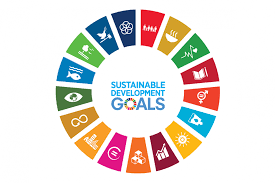
Sustainability is at the core of the Sustainable Development Goals (SDGs), a universal call to action to end poverty, protect the planet, and ensure prosperity for all by 2030. The SDGs recognise that sustainable development requires addressing economic, social, and environmental challenges in an integrated manner.
One of the key aspects of sustainability within the SDGs is the concept of balancing the needs of present and future generations. This involves promoting economic growth, social inclusion, and environmental protection without compromising the ability of future generations to meet their own needs.
By embracing sustainability principles, we can make progress towards achieving all 17 SDGs. For example:
- No Poverty (SDG 1): Sustainable practices can create economic opportunities that lift people out of poverty while preserving natural resources for future generations.
- Zero Hunger (SDG 2): Sustainable agriculture practices promote food security by ensuring long-term productivity of land and water resources.
- Good Health and Well-being (SDG 3): Environmental sustainability contributes to clean air, water, and a healthy living environment.
- Quality Education (SDG 4): Sustainability education equips individuals with knowledge and skills to address current challenges and build a more sustainable future.
- Gender Equality (SDG 5): Sustainable development empowers women and girls by promoting equal access to resources and opportunities.
Furthermore, sustainable practices also play a crucial role in combating climate change (SDG 13) and protecting life below water and on land (SDGs 14 and 15). By conserving ecosystems, reducing carbon emissions, and promoting responsible consumption and production patterns, we can safeguard our planet for future generations.
In conclusion, sustainability is not just a goal within the SDGs; it is a fundamental principle that underpins all efforts towards achieving a more equitable, prosperous, and resilient world. By integrating sustainability into our policies, practices, and everyday choices, we can move closer to realising the vision of the SDGs by 2030.
Seven Essential Tips for Advancing Sustainability and Achieving the SDGs
- Reduce, reuse, and recycle to minimise waste
- Conserve energy by turning off lights and appliances when not in use
- Use public transport, carpool, or walk/cycle to reduce carbon emissions
- Support sustainable and local businesses that prioritise eco-friendly practices
- Plant trees and create green spaces to help combat climate change
- Consume less meat and opt for plant-based meals to reduce environmental impact
- Educate yourself and others about the importance of sustainability for a better future
Reduce, reuse, and recycle to minimise waste
Reducing, reusing, and recycling are essential practices in promoting sustainability and achieving the Sustainable Development Goals. By minimising waste through these actions, we can conserve natural resources, reduce pollution, and decrease the strain on landfills. Embracing a circular economy model where materials are reused and recycled not only helps to protect the environment but also contributes to creating a more sustainable and efficient society for present and future generations.
Conserve energy by turning off lights and appliances when not in use
Conserving energy by turning off lights and appliances when not in use is a simple yet effective way to contribute to sustainability and support the Sustainable Development Goals (SDGs). By being mindful of our energy consumption habits, we can reduce unnecessary electricity usage, lower carbon emissions, and ultimately help mitigate climate change. This small action not only saves energy and reduces utility bills but also aligns with SDG 7 (Affordable and Clean Energy) by promoting responsible energy consumption practices for a more sustainable future.
Use public transport, carpool, or walk/cycle to reduce carbon emissions
Embracing sustainable transportation options such as using public transport, carpooling, or walking/cycling not only promotes personal health and well-being but also plays a significant role in reducing carbon emissions. By opting for these eco-friendly modes of travel, individuals can contribute to mitigating climate change and supporting the Sustainable Development Goal of combating global warming (SDG 13). Making small changes in our daily commute can have a positive impact on the environment, helping to create a more sustainable future for all.
Support sustainable and local businesses that prioritise eco-friendly practices
Supporting sustainable and local businesses that prioritise eco-friendly practices is a powerful way to contribute to the Sustainable Development Goals (SDGs). By choosing to patronise businesses that are committed to reducing their environmental impact, we not only support the growth of a more sustainable economy but also help in promoting responsible consumption and production patterns. These businesses play a crucial role in fostering community development, preserving natural resources, and promoting a more environmentally conscious society. By making conscious choices to support such businesses, we can align our actions with the principles of sustainability and contribute towards achieving a more sustainable future for all.
Plant trees and create green spaces to help combat climate change
Planting trees and creating green spaces are effective ways to combat climate change and promote sustainability within the framework of the Sustainable Development Goals (SDGs). Trees play a crucial role in absorbing carbon dioxide from the atmosphere, reducing greenhouse gas emissions, and mitigating the impacts of climate change. By expanding green areas in urban and rural settings, we not only enhance biodiversity and improve air quality but also contribute to building more resilient communities that are better equipped to adapt to environmental challenges. Embracing this simple yet powerful tip can have a significant positive impact on our planet’s health and well-being for present and future generations.
Consume less meat and opt for plant-based meals to reduce environmental impact
Opting for plant-based meals over meat consumption is a simple yet impactful way to promote sustainability and contribute to the achievement of the Sustainable Development Goals (SDGs). By reducing our reliance on animal products, we can lower our carbon footprint, conserve water resources, and mitigate deforestation associated with livestock farming. Embracing a plant-based diet not only benefits the environment but also supports healthier lifestyles and ethical food choices, aligning with the principles of sustainable development and fostering a more sustainable future for all.
Educate yourself and others about the importance of sustainability for a better future
Educating yourself and others about the importance of sustainability is a crucial step towards building a better future in line with the Sustainable Development Goals (SDGs). By increasing awareness and understanding of sustainable practices, we empower individuals to make informed choices that promote environmental stewardship, social equity, and economic resilience. Through education, we can inspire collective action towards creating a more sustainable world for present and future generations.