
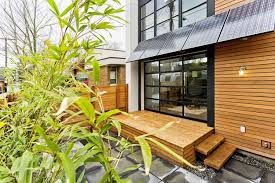
The Rise of Eco-Friendly Building Materials
In recent years, the construction industry has been undergoing a significant shift towards sustainability and environmental responsibility. One key aspect of this movement is the increasing use of eco-friendly building materials. These materials are not only beneficial for the environment but also offer numerous advantages in terms of durability, energy efficiency, and overall building performance.
Benefits of Eco-Friendly Building Materials
One of the main benefits of using eco-friendly building materials is their lower environmental impact compared to traditional construction materials. Many eco-friendly materials are sourced from renewable resources or recycled materials, reducing the depletion of natural resources and minimising waste.
Additionally, eco-friendly building materials often have superior thermal insulation properties, leading to improved energy efficiency in buildings. This can result in lower heating and cooling costs, as well as reduced carbon emissions associated with energy consumption.
Types of Eco-Friendly Building Materials
There is a wide range of eco-friendly building materials available on the market today, each offering unique benefits for sustainable construction projects:
- Bamboo: Known for its rapid growth and renewability, bamboo is a versatile material that can be used for flooring, furniture, and structural elements.
- Recycled Steel: Using recycled steel in construction helps reduce energy consumption and greenhouse gas emissions associated with steel production.
- Rammed Earth: Rammed earth construction involves compacting natural earth to create durable walls that provide excellent thermal mass properties.
- Cork: Cork is a sustainable material harvested from cork oak trees without harming the tree itself. It is commonly used for flooring and insulation.
- Straw Bales: Straw bales are an excellent insulating material that can be used for walls in eco-friendly buildings.
The Future of Sustainable Construction
As awareness of environmental issues continues to grow, the demand for eco-friendly building materials is expected to rise. Architects, builders, and developers are increasingly incorporating sustainable practices into their projects to reduce their ecological footprint and promote long-term sustainability.
By embracing eco-friendly building materials and construction techniques, we can create healthier living spaces, reduce our impact on the planet, and pave the way for a more sustainable future for generations to come.
Top 5 Tips for Choosing Eco-Friendly Building Materials in the UK
- Choose materials that are locally sourced to reduce carbon footprint from transportation.
- Opt for natural and renewable materials like bamboo, cork, or reclaimed wood.
- Select materials with high recycled content such as recycled steel or glass.
- Use non-toxic and low VOC (Volatile Organic Compounds) materials to improve indoor air quality.
- Consider using sustainable insulation options like sheep’s wool or recycled denim.
Choose materials that are locally sourced to reduce carbon footprint from transportation.
When selecting eco-friendly building materials, opting for locally sourced options can significantly reduce the carbon footprint associated with transportation. By choosing materials that are sourced nearby, builders can minimise the environmental impact of long-distance shipping and transportation. Local sourcing not only supports the regional economy but also promotes sustainability by cutting down on greenhouse gas emissions generated during the transportation process.
Opt for natural and renewable materials like bamboo, cork, or reclaimed wood.
When choosing eco-friendly building materials, opting for natural and renewable options such as bamboo, cork, or reclaimed wood can significantly reduce the environmental impact of construction projects. Bamboo’s rapid growth and renewability make it a versatile choice for various applications, while cork harvested from sustainable sources offers excellent insulation properties. Reclaimed wood not only adds character to a building but also helps minimise deforestation by repurposing existing materials. By prioritising these natural and renewable materials, builders can create sustainable structures that promote environmental stewardship and resource conservation.
Select materials with high recycled content such as recycled steel or glass.
When choosing eco-friendly building materials, opt for those with a high recycled content, such as recycled steel or glass. These materials not only help reduce the demand for new resources but also contribute to minimising waste and energy consumption associated with production. By selecting materials like recycled steel or glass, you can support sustainable practices in construction while creating a more environmentally friendly built environment.
Use non-toxic and low VOC (Volatile Organic Compounds) materials to improve indoor air quality.
Using non-toxic and low VOC (Volatile Organic Compounds) materials in construction is a crucial step towards improving indoor air quality. By choosing building materials that emit fewer harmful chemicals, such as paints, adhesives, and sealants with low VOC content, we can create healthier living and working environments. These eco-friendly materials not only reduce the risk of respiratory issues and allergies but also contribute to a more sustainable and environmentally conscious approach to construction. Prioritising non-toxic options benefits both occupants and the planet by promoting cleaner indoor air and minimising the release of harmful pollutants into the atmosphere.
Consider using sustainable insulation options like sheep’s wool or recycled denim.
When exploring eco-friendly building materials, it is advisable to consider sustainable insulation options such as sheep’s wool or recycled denim. These innovative choices not only provide effective thermal insulation but also contribute to reducing the environmental impact of construction projects. Sheep’s wool, a natural and renewable material, offers excellent insulation properties and is biodegradable at the end of its life cycle. Recycled denim, on the other hand, repurposes waste materials into insulation products, diverting them from landfills and promoting a circular economy. By opting for these sustainable insulation options, builders can enhance energy efficiency in buildings while supporting eco-conscious practices in the construction industry.