
The Role of Sustainable Development Goals in Agriculture
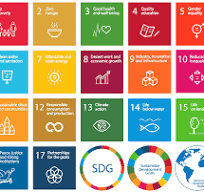
Agriculture plays a crucial role in achieving sustainable development goals (SDGs) by addressing issues such as food security, poverty reduction, and environmental sustainability. The United Nations has identified 17 SDGs to be achieved by 2030, with several directly related to agriculture.
Goal 2: Zero Hunger
SDG 2 aims to end hunger, achieve food security, improve nutrition, and promote sustainable agriculture. By implementing sustainable farming practices, increasing access to markets for small-scale farmers, and investing in agricultural research and innovation, countries can make significant progress towards achieving zero hunger.
Goal 12: Responsible Consumption and Production
SDG 12 focuses on ensuring sustainable consumption and production patterns. In the context of agriculture, this means reducing food waste, promoting efficient use of resources, and adopting eco-friendly farming techniques to minimise environmental impact.
Goal 13: Climate Action
Climate change poses a significant threat to global agriculture. SDG 13 calls for urgent action to combat climate change and its impacts. By promoting climate-smart agriculture practices, such as agroforestry and water conservation techniques, the agricultural sector can contribute to mitigating climate change while building resilience against its effects.
Goal 15: Life on Land
SDG 15 aims to protect, restore and promote sustainable use of terrestrial ecosystems. Sustainable agricultural practices play a key role in preserving biodiversity, preventing land degradation, and maintaining ecosystem services essential for agricultural productivity.
In conclusion, integrating the principles of sustainable development into agriculture is essential for achieving the SDGs. By prioritising environmental stewardship, social equity, and economic viability in agricultural practices, countries can work towards a more resilient and inclusive future for all.
Advancing Sustainable Agriculture: Six Key Benefits for Society and the Environment
- Promotes food security by ensuring access to nutritious food for all
- Reduces poverty by creating opportunities for small-scale farmers and rural communities
- Contributes to environmental sustainability through eco-friendly farming practices
- Enhances resilience against climate change impacts in the agricultural sector
- Preserves biodiversity and protects natural ecosystems through sustainable land management
- Empowers women and promotes gender equality in agricultural activities
Challenges in Achieving Sustainable Agriculture: Addressing Regional Disparities, Resource Limitations, and Policy Gaps
- Implementation challenges due to varying levels of agricultural development in different regions.
- Potential conflicts between conservation efforts and agricultural expansion for food production.
- Limited access to technology and resources for small-scale farmers to adopt sustainable practices.
- Risk of increased food prices as a result of transitioning to more sustainable agricultural methods.
- Resistance from traditional farming communities towards changing established practices.
- Lack of clear policies and incentives to encourage widespread adoption of sustainable agriculture.
Promotes food security by ensuring access to nutritious food for all
SDG agriculture promotes food security by ensuring access to nutritious food for all. By prioritising sustainable farming practices, improving food distribution systems, and supporting small-scale farmers, SDG initiatives aim to address the root causes of hunger and malnutrition. This proactive approach not only helps meet immediate food needs but also lays the foundation for long-term food security by promoting the production of diverse and nutrient-rich crops. Ultimately, by focusing on providing access to nutritious food for all individuals, SDG agriculture contributes to building healthier and more resilient communities.
Reduces poverty by creating opportunities for small-scale farmers and rural communities
By focusing on sustainable development goals in agriculture, such as promoting responsible consumption and production, we can effectively reduce poverty by providing opportunities for small-scale farmers and rural communities. Implementing sustainable farming practices not only enhances productivity and income for farmers but also fosters economic growth in rural areas. By supporting local agricultural initiatives and empowering farmers with the necessary resources and knowledge, we can create a pathway towards poverty alleviation and improved livelihoods for communities that rely on agriculture as their primary source of income.
Contributes to environmental sustainability through eco-friendly farming practices
By promoting eco-friendly farming practices, SDG agriculture contributes significantly to environmental sustainability. These practices focus on reducing the use of harmful chemicals, preserving biodiversity, and conserving natural resources. By adopting methods such as organic farming, agroforestry, and crop rotation, SDG agriculture helps mitigate environmental degradation and promotes a healthier ecosystem. This proactive approach not only benefits the environment but also ensures the long-term viability of agricultural production for future generations.
Enhances resilience against climate change impacts in the agricultural sector
One significant benefit of integrating sustainable development goals (SDGs) into agriculture is the enhancement of resilience against climate change impacts in the agricultural sector. By adopting climate-smart agricultural practices, such as implementing water-efficient irrigation systems, diversifying crop varieties, and promoting soil conservation techniques, farmers can better withstand the challenges posed by a changing climate. This proactive approach not only helps mitigate the adverse effects of climate change on crop yields and livelihoods but also contributes to building a more sustainable and resilient agricultural sector for the future.
Preserves biodiversity and protects natural ecosystems through sustainable land management
Sustainable Development Goal (SDG) agriculture plays a vital role in preserving biodiversity and safeguarding natural ecosystems by promoting sustainable land management practices. By implementing techniques such as agroforestry, crop rotation, and soil conservation, SDG agriculture helps maintain the delicate balance of ecosystems and protects the habitats of various plant and animal species. Through responsible stewardship of the land, SDG agriculture contributes to the long-term health and resilience of our environment, ensuring that future generations can continue to benefit from the rich diversity of life on Earth.
Empowers women and promotes gender equality in agricultural activities
By incorporating sustainable development goals into agriculture, there is a notable benefit in empowering women and advancing gender equality within agricultural activities. Through initiatives that promote equal access to resources, training, and decision-making opportunities for women in farming communities, SDG agriculture plays a crucial role in breaking down gender barriers and fostering inclusive participation. By recognising and valuing the contributions of women in agriculture, these efforts not only empower women to enhance their livelihoods but also contribute to broader societal progress towards gender equality.
Implementation challenges due to varying levels of agricultural development in different regions.
One significant challenge in implementing SDG agriculture initiatives is the disparity in agricultural development across different regions. Varying levels of technological advancement, infrastructure availability, and access to resources can hinder the uniform adoption of sustainable practices. Regions with limited agricultural development may struggle to meet the ambitious targets set by the SDGs, leading to inequalities in progress and outcomes. Addressing these disparities requires tailored strategies that consider the unique needs and capabilities of each region to ensure equitable and effective implementation of sustainable agriculture practices.
Potential conflicts between conservation efforts and agricultural expansion for food production.
One significant con of SDG agriculture is the potential conflicts that may arise between conservation efforts and agricultural expansion for food production. As the demand for food continues to grow, there is pressure to expand agricultural land, which can lead to deforestation, habitat destruction, and loss of biodiversity. Balancing the need for increased food production with the preservation of natural ecosystems presents a challenge, as intensive farming practices can have detrimental effects on the environment. Finding sustainable solutions that promote both food security and conservation goals is essential to address this conflict and achieve a harmonious balance between agricultural expansion and environmental protection.
Limited access to technology and resources for small-scale farmers to adopt sustainable practices.
Limited access to technology and resources presents a significant challenge for small-scale farmers looking to adopt sustainable practices in line with the Sustainable Development Goals (SDGs) in agriculture. Without adequate support, these farmers may struggle to implement modern farming techniques, invest in eco-friendly technologies, or access crucial resources such as quality seeds and fertilisers. This disparity hinders their ability to improve productivity, reduce environmental impact, and contribute effectively to achieving SDG targets related to food security and sustainable agriculture. Addressing this con requires targeted interventions to enhance technology transfer, provide financial assistance, and facilitate knowledge-sharing among small-scale farmers to empower them in embracing sustainable agricultural practices.
Risk of increased food prices as a result of transitioning to more sustainable agricultural methods.
Transitioning to more sustainable agricultural methods, while beneficial in the long run, may pose a con in the form of potential increased food prices. The shift towards sustainable practices often requires investments in new technologies, training for farmers, and changes in production processes, all of which can lead to higher production costs. As a result, these increased costs may be passed on to consumers through higher food prices. This risk highlights the need for careful planning and support mechanisms to ensure that the transition to sustainable agriculture remains accessible and affordable for all, ultimately balancing the goal of sustainability with food affordability for communities worldwide.
Resistance from traditional farming communities towards changing established practices.
One significant challenge facing SDG agriculture is the resistance from traditional farming communities towards changing established practices. Many farmers may be hesitant to adopt new sustainable farming methods due to ingrained cultural norms, lack of awareness about the benefits of modern techniques, or fear of financial risks associated with transitioning to unfamiliar practices. Overcoming this resistance requires targeted education, community engagement, and support systems that empower farmers to see the long-term advantages of sustainable agriculture in terms of increased productivity, resilience to climate change, and environmental conservation.
Lack of clear policies and incentives to encourage widespread adoption of sustainable agriculture.
One significant drawback of SDG agriculture is the lack of clear policies and incentives to promote the widespread adoption of sustainable farming practices. Without robust government regulations and support mechanisms in place, many farmers may be hesitant to transition to more sustainable methods due to concerns about potential financial risks or uncertainties. The absence of clear guidelines and incentives can hinder the progress towards achieving SDG targets related to environmental sustainability, food security, and rural development. Addressing this challenge requires coordinated efforts from policymakers, stakeholders, and agricultural communities to develop effective policies and provide tangible incentives that encourage and reward the adoption of sustainable agriculture practices on a broader scale.