
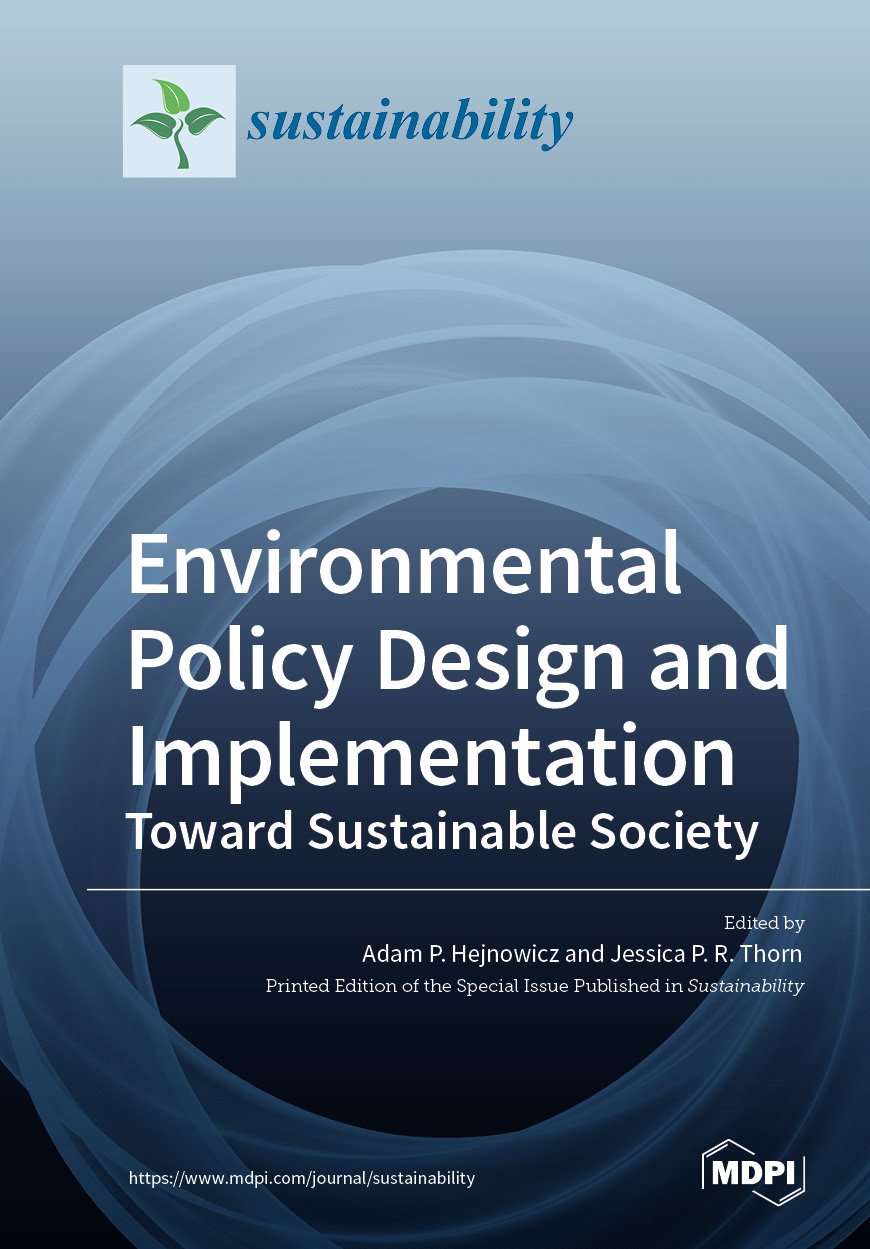
Environmental Sustainability Policy: Turning Principles into Practice
An environmental sustainability policy sets out how an organisation will reduce its impact on the natural world and use resources responsibly. It can help businesses, charities, public bodies and community groups turn broad commitments into practical decisions, measurable goals and everyday habits.
A policy is most effective when it reflects the organisation’s real activities and is supported by people at every level. It should not be a statement of good intentions alone: it needs clear responsibilities, achievable targets and regular review.
Why an environmental policy matters
Organisations affect the environment through the energy they use, the goods and services they purchase, the waste they produce, the way people travel and the land or resources their work depends on. Understanding these impacts is the first step towards reducing them.
A well-designed policy can help an organisation:
- reduce greenhouse gas emissions and energy use;
- use water and materials more efficiently;
- prevent waste and improve reuse and recycling;
- consider environmental impacts when buying goods and services;
- protect nature and avoid unnecessary harm to habitats;
- meet relevant legal and regulatory requirements; and
- build trust with staff, clients, suppliers and the wider community.
Start by understanding your impact
Before setting targets, an organisation should identify where its most significant environmental impacts occur. This may involve reviewing utility bills, travel arrangements, purchasing records, waste collections and the environmental effects of its products or services. Larger organisations may also assess impacts across their supply chains.
The aim is not to measure everything perfectly from the outset. A practical baseline can reveal where action is most likely to make a difference and provide a point against which progress can be assessed. Where information is incomplete, the policy can include a commitment to improve data collection over time.
Set clear commitments and targets
Useful policies make their commitments specific. Rather than saying only that an organisation will “be greener”, they can describe what it intends to do, who will lead the work and when progress will be reviewed. Targets should be realistic, relevant to the organisation’s impacts and supported by appropriate resources.
Possible commitments include improving building energy efficiency, reducing unnecessary business travel, choosing durable and responsibly sourced products, cutting single-use materials and managing waste more effectively. Targets should be based on a clear starting point and should not imply that an organisation has eliminated its impact if it has not.
Make sustainability part of everyday decisions
A policy has little effect if it sits unread in a document library. Environmental considerations should be built into ordinary processes, including purchasing, facilities management, project planning and staff travel. For example, procurement guidance can encourage teams to consider product lifespan, repairability, packaging and the environmental standards of suppliers.
Staff engagement is equally important. People need to understand what the policy means for their work and how they can contribute. Short training sessions, clear guidance and opportunities to suggest improvements can help make sustainability a shared responsibility rather than the task of one department.
Measure progress and be transparent
Regular monitoring helps organisations see whether their actions are working. Suitable indicators might include energy consumption, emissions, water use, waste volumes, recycling rates or the proportion of purchasing that meets defined environmental criteria. The right measures will depend on the organisation’s activities and its capacity to collect reliable information.
Reporting progress honestly matters. Organisations should explain what has improved, where targets have not been met and what they plan to do next. Clear, evidence-based communication helps avoid misleading environmental claims and supports accountability.
Review and improve the policy
Environmental priorities, technology and regulations can change. A policy should therefore be reviewed regularly and whenever there is a significant change to the organisation’s activities. Reviews can consider new evidence, feedback from staff and stakeholders, progress against targets and any unexpected effects of planned actions.
From policy to lasting change
An effective environmental sustainability policy connects purpose with action. It begins with an understanding of an organisation’s impacts, sets practical commitments, assigns responsibility and measures progress over time. No single policy can solve environmental challenges on its own, but consistent decisions across an organisation can reduce harm and help support a more sustainable future.
Essential FAQs on Crafting and Implementing an Environmental Sustainability Policy
- What is an environmental sustainability policy?
- Why should an organisation have an environmental sustainability policy?
- What should an environmental sustainability policy include?
- How do we develop an environmental sustainability policy?
- Who is responsible for implementing the policy?
- How can an organisation set environmental sustainability targets?
- How should we measure and report progress?
- How often should an environmental sustainability policy be reviewed?
- Does an environmental sustainability policy need to comply with specific laws or standards?
What is an environmental sustainability policy?
An environmental sustainability policy is a formal statement explaining how an organisation will reduce its impact on the environment and use natural resources responsibly. It typically sets out commitments and practical actions on areas such as energy use, emissions, waste, purchasing, travel and protecting nature. A good policy also assigns responsibility, sets measurable targets where appropriate, and explains how progress will be monitored and reviewed.
Why should an organisation have an environmental sustainability policy?
An environmental sustainability policy helps an organisation understand and reduce its impact on the environment. It sets clear commitments for using energy, water and materials responsibly, managing waste, and considering environmental factors in everyday decisions. A policy can also clarify staff responsibilities, support compliance with relevant requirements, track progress towards practical goals and build trust with employees, customers, suppliers and the wider community.
What should an environmental sustainability policy include?
An environmental sustainability policy should set out an organisation’s environmental commitments, the impacts it aims to address and the practical steps it will take to reduce them. It commonly covers energy use and emissions, water and resource efficiency, waste prevention, sustainable purchasing, travel and protection of nature. The policy should also explain who is responsible for putting it into practice, how staff and suppliers will be involved, which measurable targets will be used, and how progress will be monitored, reported and reviewed. Its commitments should be relevant to the organisation’s activities, realistic and supported by clear accountability.
How do we develop an environmental sustainability policy?
Develop an environmental sustainability policy by first assessing your organisation’s main environmental impacts, such as energy use, travel, purchasing and waste, and checking any relevant legal requirements. Consult staff and other stakeholders, then set clear, realistic commitments and measurable targets that address the most significant impacts. Assign responsibilities, provide the resources and guidance needed to put the policy into practice, and explain it across the organisation. Finally, monitor progress, report results honestly and review the policy regularly so it can improve as your organisation and its impacts change.
Who is responsible for implementing the policy?
Responsibility for implementing an environmental sustainability policy is shared across the organisation. Senior leaders should provide direction, resources and accountability, while a named sustainability lead or team can coordinate actions and monitor progress. Managers are responsible for applying the policy in their areas, and all staff can contribute by following guidance and making environmentally responsible choices in their day-to-day work.
How can an organisation set environmental sustainability targets?
An organisation can set effective environmental sustainability targets by first assessing its main environmental impacts, such as energy use, emissions, waste, water consumption and purchasing. It should establish a reliable baseline, then choose specific, measurable and time-bound targets that address its priorities and are realistic for its resources. Assigning responsibility, involving staff and relevant stakeholders, and identifying the actions and funding needed will help turn targets into practice. Progress should be monitored regularly, reported honestly and used to refine the targets as circumstances change.
How should we measure and report progress?
Measure progress against a clear starting point, using relevant indicators such as energy use, greenhouse gas emissions, water consumption, waste and recycling rates, or the environmental impact of purchasing. Choose measures that reflect your organisation’s main impacts, use reliable data and review results regularly against specific, time-bound targets. Report findings clearly and honestly, explaining what has improved, where progress has fallen short and what action is planned next. This helps staff and stakeholders understand the organisation’s impact and keeps the policy accountable and useful.
How often should an environmental sustainability policy be reviewed?
An environmental sustainability policy should be reviewed at least once a year to check that its commitments remain relevant and that progress is being made. It should also be updated sooner if there are significant changes to the organisation’s activities, environmental impacts, legal requirements or available technology. Involving staff and other relevant stakeholders in the review can help identify what is working, where improvements are needed and whether targets should be revised.
Does an environmental sustainability policy need to comply with specific laws or standards?
Yes. An environmental sustainability policy should reflect the laws and regulations that apply to your organisation, location and activities—for example, requirements relating to waste, emissions, energy use or environmental permits. The exact obligations vary, so it is sensible to check current guidance and seek qualified advice where needed. Standards such as ISO 14001 can provide a useful framework for managing environmental impacts, but certification is generally voluntary unless a contract, regulator or other requirement makes it necessary. A policy does not replace legal compliance; it should help explain how your organisation identifies, meets and reviews its obligations.