
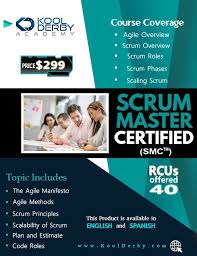
The Importance of Scrum Master Training in Agile Project Management
Agile project management has become increasingly popular in the business world due to its flexibility, adaptability, and focus on delivering value to customers. At the heart of agile methodologies like Scrum is the role of the Scrum Master – a key player responsible for guiding teams through the project lifecycle and ensuring that agile principles are followed.
Scrum Master training plays a crucial role in equipping individuals with the skills and knowledge needed to excel in this pivotal role. Here are some reasons why investing in Scrum Master training is essential for successful agile project management:
Understanding Agile Principles
Scrum Master training provides a comprehensive understanding of agile principles and practices. By learning about iterative development, self-organising teams, and continuous improvement, participants gain insights into how agile methodologies can enhance project outcomes.
Facilitating Collaboration
A skilled Scrum Master knows how to facilitate collaboration among team members, stakeholders, and product owners. Through effective communication and conflict resolution techniques taught in training, Scrum Masters can create a harmonious work environment that fosters creativity and innovation.
Removing Impediments
One of the primary responsibilities of a Scrum Master is to identify and remove impediments that hinder team progress. Training equips individuals with problem-solving skills and strategies to address challenges swiftly, enabling teams to stay focused on achieving project goals.
Enhancing Team Productivity
By promoting self-organisation and empowering team members, a well-trained Scrum Master can significantly enhance team productivity. Training emphasises techniques for improving workflow efficiency, prioritising tasks, and maintaining momentum throughout the project lifecycle.
Continuous Improvement
Scrum Master training instils a mindset of continuous improvement within individuals, encouraging them to seek feedback, reflect on their practices, and adapt their approach based on lessons learned. This commitment to learning ensures that agile teams evolve and deliver increasingly valuable outcomes over time.
In conclusion, Scrum Master training is an invaluable investment for organisations looking to maximise the benefits of agile project management. By equipping individuals with the necessary skills and knowledge to fulfil the role effectively, training sets the stage for successful collaboration, innovation, and continuous improvement within agile teams.
Mastering Scrum: 8 Essential Tips for Effective Scrum Master Training
- Understand the Scrum framework thoroughly
- Develop strong communication and facilitation skills
- Encourage collaboration within the team
- Be a servant leader and support the team’s needs
- Foster a culture of continuous improvement
- Stay updated with industry best practices
- Embrace flexibility and adaptability in your approach
- Focus on building trust and rapport with team members
Understand the Scrum framework thoroughly
To excel in Scrum Master training, it is essential to thoroughly understand the Scrum framework. This includes grasping the roles and responsibilities of team members, comprehending the key events such as sprint planning and daily stand-ups, and mastering the artefacts like product backlog and burndown charts. A solid understanding of the Scrum framework forms the foundation for effective implementation of agile practices, facilitating smooth collaboration and efficient project delivery.
Develop strong communication and facilitation skills
Developing strong communication and facilitation skills is essential for aspiring Scrum Masters undergoing training. Effective communication ensures that team members, stakeholders, and product owners are aligned on project goals and priorities, fostering collaboration and transparency. Additionally, honing facilitation skills enables Scrum Masters to lead productive meetings, resolve conflicts, and empower teams to make informed decisions. By mastering these key competencies, Scrum Masters can create a supportive environment where ideas flow freely, problems are addressed efficiently, and projects progress smoothly towards successful outcomes.
Encourage collaboration within the team
Encouraging collaboration within the team is a fundamental aspect of effective Scrum Master training. By fostering an environment where team members feel empowered to share ideas, communicate openly, and work together towards common goals, a Scrum Master can enhance productivity, creativity, and overall team performance. Through training, individuals learn strategies for promoting collaboration, resolving conflicts constructively, and building strong relationships that contribute to the success of agile projects. Emphasising the importance of teamwork and mutual support, Scrum Master training equips individuals with the skills needed to create a cohesive and high-performing agile team.
Be a servant leader and support the team’s needs
In the context of Scrum Master training, it is essential to embody the principle of being a servant leader and prioritising the needs of the team. By adopting a servant leadership approach, Scrum Masters can cultivate a supportive environment where team members feel empowered to excel. This involves actively listening to the team’s concerns, providing guidance when needed, and removing obstacles that hinder progress. By placing the team’s needs at the forefront and serving as a facilitator rather than a traditional manager, Scrum Masters can foster collaboration, trust, and ultimately drive project success.
Foster a culture of continuous improvement
Fostering a culture of continuous improvement is a fundamental tip in Scrum Master training. By encouraging teams to embrace feedback, reflect on their practices, and seek opportunities for growth, Scrum Masters can instil a mindset of ongoing learning and development within the team. This commitment to continuous improvement not only enhances team performance but also ensures that agile projects evolve iteratively, leading to greater efficiency and value delivery.
Stay updated with industry best practices
To excel in Scrum Master training, it is essential to stay updated with industry best practices. By keeping abreast of the latest trends, tools, and methodologies in agile project management, Scrum Masters can enhance their skills and contribute more effectively to their teams. Continuous learning and adaptation to industry standards ensure that Scrum Masters remain at the forefront of innovation, enabling them to drive successful outcomes in their projects.
Embrace flexibility and adaptability in your approach
Embracing flexibility and adaptability in your approach to Scrum Master training is essential for navigating the dynamic and ever-changing landscape of agile project management. By being open to adjusting strategies, processes, and priorities as needed, you can effectively respond to challenges, seize opportunities for improvement, and ensure that your team remains agile and responsive throughout the project lifecycle. Flexibility allows you to accommodate evolving requirements and unexpected changes, while adaptability empowers you to pivot quickly and make informed decisions that align with the project’s goals. Ultimately, embracing flexibility and adaptability enables you to lead your team with agility and resilience in the face of uncertainty.
Focus on building trust and rapport with team members
Building trust and rapport with team members is a fundamental aspect of effective Scrum Master training. By prioritising relationships and fostering open communication, Scrum Masters can create a supportive environment where team members feel valued and motivated. Trust forms the foundation for collaboration, problem-solving, and innovation within agile teams, leading to improved productivity and project outcomes. Through training that emphasises the importance of building strong relationships, Scrum Masters can cultivate a culture of trust that enables teams to work cohesively towards shared goals.