
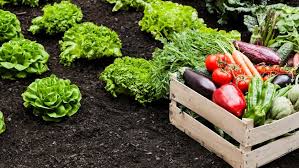
The Importance of Sustainable Agriculture Practices
Sustainable agriculture practices play a crucial role in ensuring the long-term health of our planet and the well-being of future generations. By adopting sustainable methods, farmers can protect natural resources, preserve biodiversity, and promote food security. Let’s explore some key aspects of sustainable agriculture:
Conservation of Soil Health
One fundamental principle of sustainable agriculture is the preservation of soil health. Practices such as crop rotation, cover cropping, and minimal tillage help to maintain soil fertility, structure, and moisture levels. Healthy soils not only support plant growth but also sequester carbon, mitigating climate change.
Water Management
Efficient water management is essential for sustainable agriculture. Techniques like drip irrigation, rainwater harvesting, and mulching help to conserve water resources and reduce water wastage. By using water wisely, farmers can ensure that crops receive adequate hydration while minimising environmental impact.
Biodiversity Conservation
Sustainable agriculture practices promote biodiversity by creating habitats for beneficial insects, birds, and other wildlife. By avoiding monoculture farming and incorporating diverse crops in their fields, farmers can enhance ecosystem resilience and reduce the reliance on chemical pesticides.
Reduction of Chemical Inputs
Minimising the use of synthetic fertilisers and pesticides is a key goal of sustainable agriculture. Integrated pest management, organic farming methods, and biological control measures help to control pests and diseases naturally without harming the environment or human health.
Supporting Local Communities
Sustainable agriculture fosters strong connections between farmers and local communities. Direct marketing channels such as farmers’ markets, community-supported agriculture (CSA) schemes, and farm-to-table initiatives enable consumers to access fresh, locally grown produce while supporting small-scale producers.
In conclusion, sustainable agriculture practices are essential for promoting environmental stewardship, enhancing food security, and building resilient farming systems. By embracing these principles, we can create a more sustainable future for ourselves and generations to come.
Benefits of Sustainable Agriculture: Enhancing Soil Health, Conserving Water, Boosting Biodiversity, Reducing Chemicals, and Empowering Communities
- Preserves soil health and fertility for long-term crop production.
- Reduces water usage through efficient irrigation methods and conservation techniques.
- Promotes biodiversity by creating habitats for beneficial wildlife on farmland.
- Minimises the use of synthetic chemicals, promoting healthier ecosystems and human health.
- Strengthens local communities by supporting small-scale farmers and sustainable food systems.
Challenges of Adopting Sustainable Agriculture Practices: Key Considerations for Farmers
- Initial transition costs can be high for farmers switching to sustainable practices.
- Sustainable agriculture may require more manual labour compared to conventional methods.
- Weather variability can impact the success of sustainable farming techniques.
- Certification processes for organic or sustainable labels can be complex and costly.
- Yields in the short term may be lower until soil health and biodiversity are restored.
- Market demand for sustainably produced goods may fluctuate, affecting farmer income.
Preserves soil health and fertility for long-term crop production.
One significant advantage of sustainable agriculture practices is their ability to preserve soil health and fertility for long-term crop production. By implementing techniques such as crop rotation, cover cropping, and minimal tillage, farmers can maintain the nutrient levels and structure of the soil. This not only supports current crop yields but also ensures the sustainability of agricultural land for future generations. Healthy soils contribute to enhanced plant growth, increased water retention, and reduced erosion, ultimately leading to more resilient and productive farming systems over time.
Reduces water usage through efficient irrigation methods and conservation techniques.
By incorporating efficient irrigation methods and conservation techniques, sustainable agriculture practices significantly reduce water usage in farming operations. Techniques such as drip irrigation, rainwater harvesting, and mulching help farmers maximise the use of available water resources while minimising wastage. By adopting these water-saving practices, sustainable agriculture not only promotes environmental sustainability but also ensures that crops receive adequate hydration for optimal growth. This proactive approach to water management not only benefits the environment but also contributes to long-term agricultural productivity and resilience in the face of changing climate conditions.
Promotes biodiversity by creating habitats for beneficial wildlife on farmland.
One significant advantage of sustainable agriculture practices is their ability to promote biodiversity by creating habitats for beneficial wildlife on farmland. By incorporating diverse crops, hedgerows, and natural habitats within agricultural landscapes, farmers can attract pollinators, predators of crop pests, and other beneficial species. This not only helps to maintain a balanced ecosystem but also reduces the need for chemical pesticides and fertilisers, resulting in healthier soil and crops. Ultimately, fostering biodiversity on farmland through sustainable practices contributes to the overall resilience and sustainability of agricultural systems.
Minimises the use of synthetic chemicals, promoting healthier ecosystems and human health.
By minimising the use of synthetic chemicals, sustainable agriculture practices contribute to the creation of healthier ecosystems and promote human health. By adopting organic farming methods, integrated pest management, and biological control measures, farmers can reduce the reliance on harmful pesticides and fertilisers. This approach not only preserves biodiversity and soil health but also ensures that the food produced is free from potentially harmful residues. Ultimately, promoting a more natural balance in agricultural systems benefits both the environment and the well-being of individuals who consume sustainably grown produce.
Strengthens local communities by supporting small-scale farmers and sustainable food systems.
One significant advantage of sustainable agriculture practices is their ability to strengthen local communities by supporting small-scale farmers and promoting sustainable food systems. By prioritising locally grown produce and engaging in direct marketing initiatives such as farmers’ markets and community-supported agriculture (CSA) schemes, sustainable agriculture fosters a closer connection between producers and consumers. This not only helps small-scale farmers thrive economically but also encourages the development of resilient and diverse food networks that benefit the entire community.
Initial transition costs can be high for farmers switching to sustainable practices.
Transitioning to sustainable agriculture practices can present a significant challenge for farmers due to the high initial costs involved. Implementing new methods, acquiring equipment, and investing in training programmes can require substantial financial resources that may not be readily available to all farmers. The upfront expenses associated with the transition to sustainable practices can act as a barrier for some farmers, especially those operating on limited budgets. Despite the long-term benefits of sustainable agriculture, the initial financial burden can pose a conundrum for farmers looking to make the shift towards more environmentally friendly and socially responsible practices.
Sustainable agriculture may require more manual labour compared to conventional methods.
One potential drawback of sustainable agriculture practices is that they may demand a higher level of manual labour in comparison to conventional methods. Techniques such as organic farming, crop rotation, and integrated pest management often involve more hands-on work, from weeding by hand to managing diverse crop systems. This increased labour requirement can pose challenges for farmers in terms of time and resources, potentially impacting the scalability and efficiency of sustainable agricultural operations. However, many proponents argue that the benefits of sustainable practices in terms of environmental conservation and long-term viability outweigh the initial investment in labour-intensive tasks.
Weather variability can impact the success of sustainable farming techniques.
Weather variability poses a significant challenge to the success of sustainable agriculture practices. Fluctuations in temperature, rainfall patterns, and extreme weather events can disrupt crop growth cycles, water availability, and soil conditions. These unpredictable weather conditions can hinder the effectiveness of sustainable farming techniques such as crop rotation, water conservation methods, and natural pest control. Farmers may face difficulties in planning and implementing sustainable practices when faced with sudden changes in weather patterns, highlighting the need for adaptive strategies to mitigate the impact of weather variability on agricultural sustainability.
Certification processes for organic or sustainable labels can be complex and costly.
The certification processes required for obtaining organic or sustainable labels in agriculture can present a significant challenge due to their complexity and associated costs. Farmers may face hurdles in meeting the stringent criteria set by certification bodies, which often involve detailed record-keeping, on-site inspections, and compliance with specific standards. The financial burden of certification fees and ongoing monitoring can be particularly daunting for small-scale producers, limiting their ability to access premium markets and showcase their commitment to sustainable practices. As a result, simplifying and reducing the costs of certification processes could help make sustainable agriculture more accessible and inclusive for a wider range of farmers.
Yields in the short term may be lower until soil health and biodiversity are restored.
One significant drawback of sustainable agriculture practices is that yields in the short term may be lower as efforts are made to restore soil health and biodiversity. Implementing sustainable methods such as crop rotation, cover cropping, and organic farming requires time for the ecosystem to rebalance and regain its natural fertility. While this initial period of transition may result in decreased productivity, the long-term benefits of improved soil quality, enhanced biodiversity, and reduced environmental impact outweigh the temporary reduction in yields. Patience and commitment are essential when transitioning to sustainable agriculture practices to achieve lasting benefits for both the land and future generations.
Market demand for sustainably produced goods may fluctuate, affecting farmer income.
The fluctuating market demand for sustainably produced goods poses a significant challenge for farmers practising sustainable agriculture. While consumers are increasingly seeking out environmentally friendly products, the demand for sustainably produced goods can be inconsistent and subject to market trends. This volatility in consumer preferences can impact farmer income, making it difficult for farmers to predict and stabilise their earnings. As a result, farmers may face financial uncertainty and challenges in sustaining their operations, highlighting the need for greater market stability and support mechanisms for those committed to sustainable agricultural practices.