
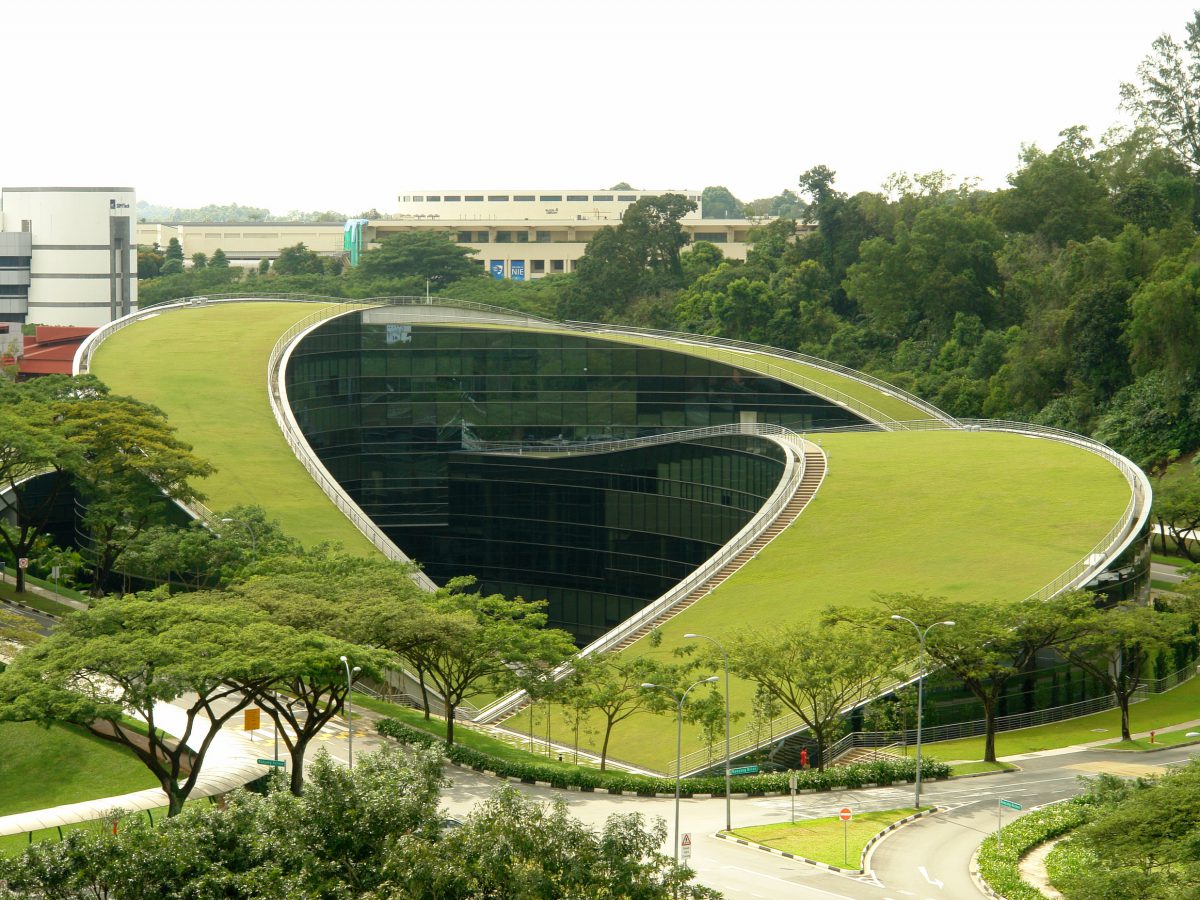
The Future of Sustainable Architecture: Green Energy Buildings
In an era where environmental consciousness is paramount, the concept of green energy buildings has emerged as a beacon of hope for a sustainable future. These innovative structures are designed to minimise their carbon footprint and maximise energy efficiency, setting new standards in eco-friendly architecture.
What Are Green Energy Buildings?
Green energy buildings, also known as sustainable or eco-friendly buildings, are constructed using materials and technologies that reduce their impact on the environment. These structures are designed to be energy-efficient, utilise renewable energy sources, and promote a healthy indoor environment for occupants.
The Benefits of Green Energy Buildings
Green energy buildings offer a myriad of benefits, both for the environment and for those who inhabit them. By incorporating features such as solar panels, green roofs, and advanced insulation systems, these buildings can significantly lower energy consumption and reduce greenhouse gas emissions.
Key benefits include:
- Lower operating costs due to reduced energy usage
- Improved indoor air quality leading to better health outcomes
- Enhanced thermal comfort for occupants throughout the year
- Contribution to overall environmental sustainability goals
The Role of Renewable Energy Sources
Renewable energy sources play a crucial role in powering green energy buildings. Solar panels, wind turbines, geothermal systems, and biomass heaters are commonly integrated into the design of these structures to generate clean electricity and heat. By harnessing renewable resources, green energy buildings can operate with minimal reliance on traditional fossil fuels.
The Future Outlook
As awareness of climate change grows and governments worldwide set ambitious targets for reducing carbon emissions, the demand for green energy buildings is expected to rise. Architects, engineers, and developers are increasingly embracing sustainable design principles to create environmentally responsible structures that meet the needs of today without compromising the well-being of future generations.
In conclusion, green energy buildings represent a significant step towards creating a more sustainable built environment. By prioritising energy efficiency, renewable resources, and occupant well-being, these structures pave the way for a greener future where architecture harmonises with nature.
Six Essential Tips for Building Energy-Efficient and Eco-Friendly Homes
- Ensure proper insulation to reduce energy consumption for heating and cooling.
- Install energy-efficient windows and doors to minimise heat loss.
- Utilise renewable energy sources such as solar panels or wind turbines.
- Incorporate natural lighting to reduce the need for artificial lighting during the day.
- Choose eco-friendly materials for construction to lower environmental impact.
- Implement smart home technology for better energy management and efficiency.
Ensure proper insulation to reduce energy consumption for heating and cooling.
Proper insulation is a fundamental aspect of green energy building design, essential for minimising energy consumption related to heating and cooling systems. By effectively insulating a building, heat transfer is reduced, helping to maintain a comfortable indoor temperature without overreliance on heating or cooling mechanisms. This not only lowers energy usage but also contributes to cost savings and environmental sustainability. Investing in high-quality insulation is a simple yet impactful way to enhance the energy efficiency of a structure and promote eco-friendly practices in construction.
Install energy-efficient windows and doors to minimise heat loss.
To enhance the energy efficiency of a green energy building, it is advisable to install energy-efficient windows and doors. By choosing high-quality windows and doors that are well-insulated, the building can minimise heat loss, reduce the need for excessive heating or cooling, and ultimately lower energy consumption. This simple yet effective tip not only contributes to creating a more sustainable environment but also helps in maintaining a comfortable indoor climate for occupants while cutting down on utility costs.
Utilise renewable energy sources such as solar panels or wind turbines.
By incorporating renewable energy sources like solar panels or wind turbines into the design of green energy buildings, we can significantly reduce our reliance on fossil fuels and lower carbon emissions. These sustainable technologies harness the power of nature to generate clean electricity, making buildings more self-sufficient and environmentally friendly. By utilising solar panels or wind turbines, green energy buildings not only contribute to a greener future but also demonstrate the potential for innovative solutions in sustainable architecture.
Incorporate natural lighting to reduce the need for artificial lighting during the day.
By incorporating natural lighting into the design of green energy buildings, architects can significantly reduce the reliance on artificial lighting during daylight hours. Utilising techniques such as strategically placed windows, skylights, and light wells, natural light not only enhances the aesthetics of the space but also promotes energy efficiency by lowering electricity consumption. This simple yet effective approach not only reduces operational costs but also creates a healthier and more comfortable indoor environment for occupants, highlighting the importance of harnessing natural resources in sustainable architecture.
Choose eco-friendly materials for construction to lower environmental impact.
When embarking on a green energy building project, selecting eco-friendly materials for construction is paramount in reducing the environmental impact of the structure. By opting for sustainable materials such as recycled wood, bamboo flooring, and low-VOC paints, builders can minimise resource depletion and harmful emissions. These choices not only contribute to a healthier indoor environment but also demonstrate a commitment to sustainability that aligns with the principles of green energy building.
Implement smart home technology for better energy management and efficiency.
Implementing smart home technology is a key tip for enhancing energy management and efficiency in green energy buildings. By integrating intelligent systems that control lighting, heating, cooling, and appliances based on real-time data and user preferences, smart homes can optimise energy usage and reduce wastage. This innovative approach not only enhances the comfort and convenience of occupants but also contributes significantly to lowering overall energy consumption, making green energy buildings even more sustainable and eco-friendly.