
Exploring Different Types of Training
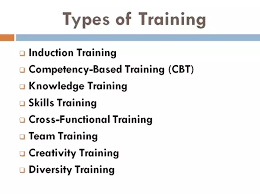
Training plays a crucial role in personal and professional development, helping individuals acquire new skills and knowledge to enhance their performance. There are various types of training programmes designed to cater to different learning styles and objectives. Let’s delve into some common types of training:
On-the-Job Training
On-the-job training involves learning while performing tasks within the actual work environment. This hands-on approach allows individuals to gain practical experience and skills directly applicable to their job roles. It often includes shadowing experienced colleagues, mentorship programmes, and job rotations.
Classroom Training
Classroom training, also known as traditional or instructor-led training, takes place in a classroom setting with an instructor leading the session. This format allows for interactive learning, group discussions, and immediate feedback from the trainer. It is effective for topics that require in-depth explanation and theoretical understanding.
Online Training
Online training, or e-learning, has gained popularity due to its flexibility and accessibility. Participants can access training materials remotely through digital platforms such as webinars, video tutorials, and online courses. This type of training is ideal for self-paced learning and reaching a geographically dispersed audience.
Simulated Training
Simulated training involves creating realistic scenarios or simulations to mimic real-life situations that individuals may encounter in their roles. This type of training is commonly used in fields such as healthcare, aviation, and emergency services to practice decision-making skills under pressure.
Cross-Training
Cross-training involves teaching employees additional skills beyond their current job responsibilities. This approach helps organisations build a versatile workforce capable of performing multiple roles effectively. Cross-training also enhances employee engagement and reduces dependency on specific individuals.
Each type of training offers unique benefits and caters to different learning preferences. By incorporating a combination of these approaches based on individual needs and organisational goals, companies can create comprehensive training programmes that foster continuous growth and development.
Top 5 Training Tips for a Balanced and Effective Fitness Routine
- Consider incorporating a mix of cardiovascular and strength training for overall fitness.
- Ensure proper warm-up and cool-down routines to prevent injuries during training sessions.
- Listen to your body and adjust the intensity of your training based on how you feel each day.
- Set specific, measurable goals to track progress and stay motivated in your training regimen.
- Stay consistent with your training schedule to build endurance and improve performance over time.
Consider incorporating a mix of cardiovascular and strength training for overall fitness.
To achieve comprehensive fitness, it is beneficial to incorporate a combination of cardiovascular and strength training exercises into your workout routine. Cardiovascular training, such as running, cycling, or swimming, helps improve heart health, endurance, and overall stamina. On the other hand, strength training activities like weightlifting or bodyweight exercises help build muscle strength, enhance bone density, and boost metabolism. By integrating both types of training into your fitness regimen, you can achieve a well-rounded approach to improving your overall health and physical performance.
Ensure proper warm-up and cool-down routines to prevent injuries during training sessions.
It is essential to incorporate proper warm-up and cool-down routines into training sessions to minimise the risk of injuries. A thorough warm-up prepares the body for physical activity by increasing blood flow to muscles, improving flexibility, and enhancing joint mobility. This helps prevent strains and sprains during exercise. Similarly, a cool-down routine allows the body to gradually return to its resting state, reducing muscle soreness and preventing stiffness post-workout. By prioritising these pre- and post-training practices, individuals can safeguard their well-being and optimise their training effectiveness.
Listen to your body and adjust the intensity of your training based on how you feel each day.
It is important to listen to your body and adapt the intensity of your training according to how you feel each day. Paying attention to your body’s signals can help prevent overtraining and reduce the risk of injury. Some days you may feel more energetic and capable of pushing yourself harder, while other days you may need to take it easier to allow your body to recover. By tuning in to your body’s cues and adjusting your training intensity accordingly, you can maintain a healthy balance between progress and rest, ultimately supporting your overall well-being and performance in the long run.
Set specific, measurable goals to track progress and stay motivated in your training regimen.
Setting specific, measurable goals is essential for tracking progress and maintaining motivation in any training regimen. By defining clear objectives, individuals can monitor their advancement and celebrate achievements along the way. Whether aiming to learn a new skill, improve performance in a particular area, or enhance overall knowledge, having tangible goals provides a sense of direction and purpose. Regularly assessing progress against these benchmarks helps individuals stay focused, motivated, and committed to their training journey.
Stay consistent with your training schedule to build endurance and improve performance over time.
Consistency is key when it comes to training to build endurance and enhance performance gradually. By sticking to a regular training schedule, individuals can condition their bodies and minds to adapt to increasing challenges over time. Whether it’s following a structured workout plan, attending regular classes, or practising specific skills consistently, maintaining a routine helps in developing stamina and pushing boundaries. The incremental progress achieved through consistent training not only boosts endurance but also contributes to long-term improvements in overall performance levels.