
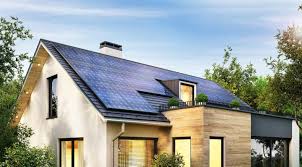
The Eco Home: Sustainable Living for a Greener Future
In today’s world, where environmental concerns are at the forefront of global discussions, the concept of an eco home has gained significant popularity. An eco home, also known as a green home, is designed and built with a focus on sustainability, energy efficiency, and minimal environmental impact.
One of the key features of an eco home is its use of renewable energy sources such as solar panels, wind turbines, and geothermal heating systems. By harnessing natural resources to power the home, residents can reduce their reliance on non-renewable energy sources and lower their carbon footprint.
Furthermore, eco homes are often constructed using environmentally friendly materials such as reclaimed wood, recycled metal, and low-VOC paints. These materials not only reduce waste but also contribute to better indoor air quality, creating a healthier living environment for occupants.
Another important aspect of an eco home is its water efficiency. From rainwater harvesting systems to greywater recycling technologies, eco homes are designed to minimise water wastage and promote sustainable water usage practices.
In addition to being environmentally conscious in its construction and operation, an eco home also focuses on promoting a more sustainable lifestyle for its residents. This may include features like composting facilities, organic gardens, and smart home technology that monitors energy usage and encourages conservation habits.
Ultimately, the rise of eco homes reflects a growing awareness of the need to protect our planet and live in harmony with nature. By embracing sustainable building practices and adopting eco-friendly living habits, homeowners can play a vital role in creating a greener future for generations to come.
Understanding Eco Homes: Your Guide to Sustainable Living and Common Queries
- What is an eco home?
- How is an eco home different from a traditional home?
- What are the benefits of living in an eco home?
- What features make a home eco-friendly?
- Are eco homes more expensive to build than traditional homes?
- How can I make my existing home more eco-friendly?
- Do eco homes require special maintenance or upkeep?
- Are there government incentives available for building or buying an eco home?
What is an eco home?
An eco home, also referred to as a green home, is a residence designed and constructed with a strong emphasis on sustainability and environmental responsibility. These homes are built using eco-friendly materials, energy-efficient systems, and renewable energy sources to minimise their impact on the environment. In essence, an eco home aims to reduce carbon emissions, conserve natural resources, and promote a healthier living environment for its occupants. By incorporating green technologies and sustainable practices, eco homes play a crucial role in fostering a more sustainable way of living that benefits both individuals and the planet as a whole.
How is an eco home different from a traditional home?
An eco home differs from a traditional home in several key aspects that prioritise sustainability and environmental responsibility. Unlike traditional homes, eco homes are designed and built with a focus on energy efficiency, using renewable energy sources like solar power and geothermal heating. Eco homes also incorporate environmentally friendly materials such as reclaimed wood and recycled metal, reducing their carbon footprint during construction. Additionally, eco homes often feature water-saving technologies like rainwater harvesting systems and greywater recycling, promoting sustainable water usage. Overall, the emphasis on eco-friendly practices in both construction and lifestyle choices sets eco homes apart from traditional homes, reflecting a commitment to reducing environmental impact and embracing a greener way of living.
What are the benefits of living in an eco home?
Living in an eco home offers a multitude of benefits that extend beyond personal comfort. Not only do eco homes promote sustainability by reducing energy consumption and carbon emissions, but they also contribute to lower utility bills for residents. The use of renewable energy sources and environmentally friendly materials enhances indoor air quality, creating a healthier living environment. Additionally, eco homes often feature innovative water-saving technologies, further reducing water wastage. By embracing an eco-conscious lifestyle in an eco home, individuals can make a positive impact on the environment while enjoying cost savings and improved well-being.
What features make a home eco-friendly?
When considering what features make a home eco-friendly, several key elements come to mind. Firstly, the use of renewable energy sources such as solar panels and wind turbines significantly reduces reliance on traditional energy grids and minimises carbon emissions. Additionally, energy-efficient appliances and lighting fixtures help lower electricity consumption, contributing to a more sustainable lifestyle. Insulation and double-glazed windows improve thermal efficiency, reducing heat loss in winter and heat gain in summer. Water-saving fixtures, rainwater harvesting systems, and greywater recycling further enhance the eco-friendliness of a home by promoting responsible water usage. Finally, choosing environmentally friendly materials for construction and incorporating green spaces like gardens or green roofs all play a part in creating an eco-friendly living environment that prioritises sustainability and conservation.
Are eco homes more expensive to build than traditional homes?
When considering the cost of building an eco home compared to a traditional home, it is important to look beyond the initial investment. While the upfront costs of eco-friendly materials and technologies may be higher, eco homes are designed to be more energy-efficient and sustainable in the long run. This means that homeowners can potentially save money on utility bills and maintenance expenses over time, making eco homes a cost-effective choice in the grand scheme of things. Additionally, government incentives and rebates for green building practices can help offset some of the initial construction costs, making eco homes a financially viable option for those looking to invest in a more sustainable future.
How can I make my existing home more eco-friendly?
To make your existing home more eco-friendly, there are several steps you can take to reduce your environmental impact and increase energy efficiency. Start by conducting an energy audit to identify areas where improvements can be made, such as upgrading insulation, sealing drafts, and installing energy-efficient appliances. Consider switching to LED lighting, using programmable thermostats, and investing in renewable energy sources like solar panels. Additionally, you can reduce water consumption by fixing leaks, installing low-flow fixtures, and incorporating rainwater harvesting systems. Implementing these sustainable practices can help transform your current home into a more environmentally friendly space that contributes to a greener future.
Do eco homes require special maintenance or upkeep?
Eco homes do not necessarily require special maintenance or upkeep compared to traditional homes. In fact, the sustainable features of eco homes are often designed to be low-maintenance and durable. For example, energy-efficient appliances and renewable energy systems may require occasional servicing, but they are generally built to last and operate efficiently with minimal maintenance. Additionally, eco-friendly materials used in construction, such as recycled wood or metal, can be as resilient as conventional building materials. Overall, while some specific components of an eco home may need attention over time, the overall maintenance requirements are typically manageable and contribute to a more sustainable living environment in the long run.
Are there government incentives available for building or buying an eco home?
Government incentives are often available for building or buying an eco home as part of efforts to promote sustainable living and reduce carbon emissions. These incentives can vary depending on the country or region, but common examples include tax credits, grants, subsidies, and low-interest loans for eco-friendly home construction or renovation. By taking advantage of these government initiatives, individuals and developers can offset some of the costs associated with implementing green technologies and practices in their homes, making eco homes more accessible and affordable for a wider range of people.