
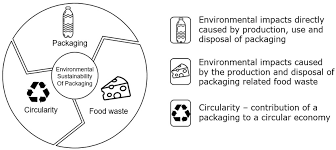
The Impact of Packaging on the Environment
Packaging plays a crucial role in our daily lives, from protecting products to providing information to consumers. However, the environmental impact of packaging cannot be ignored. The excessive use of packaging materials, especially non-biodegradable plastics, has led to significant environmental challenges.
Plastic packaging, in particular, poses a major threat to the environment. Single-use plastics like bags and containers often end up in landfills or oceans, where they take hundreds of years to decompose. This not only contributes to visual pollution but also harms marine life and ecosystems.
Fortunately, there are sustainable alternatives to traditional packaging materials. Biodegradable and compostable packaging options are gaining popularity as more companies and consumers seek eco-friendly solutions. These materials break down naturally over time, reducing their impact on the environment.
Furthermore, reducing unnecessary packaging and promoting recycling can help minimise the environmental footprint of packaging. Designing products with minimal or reusable packaging can significantly decrease waste generation and energy consumption associated with production and disposal.
Consumer awareness and responsible choices also play a crucial role in addressing the environmental impact of packaging. By opting for products with minimal or eco-friendly packaging, individuals can contribute to reducing waste and protecting the environment for future generations.
In conclusion, while packaging is essential for product safety and marketing purposes, its environmental impact should not be overlooked. By embracing sustainable practices, supporting innovation in eco-friendly materials, and making conscious consumer choices, we can work towards a greener future where packaging is both functional and environmentally responsible.
Understanding Environmental Packaging: Key Questions and Answers
- What is environmental packaging?
- What are the environmental impacts of packaging?
- How to make environmentally friendly packaging?
- What is the most environmentally friendly packaging?
What is environmental packaging?
Environmental packaging refers to the use of sustainable and eco-friendly materials and practices in the design, production, and disposal of packaging. It aims to minimise the environmental impact of packaging throughout its lifecycle, from sourcing raw materials to end-of-life management. Environmental packaging focuses on reducing waste generation, promoting recyclability and compostability, and using renewable resources to create packaging solutions that are less harmful to the planet. By prioritising environmental considerations in packaging design and manufacturing processes, companies can contribute to conservation efforts and support a more sustainable future for our planet.
What are the environmental impacts of packaging?
Packaging plays a significant role in our modern consumer society, but its environmental impacts are a growing concern. The excessive use of packaging materials, especially non-biodegradable plastics, contributes to pollution and waste accumulation in landfills and oceans. Plastic packaging, in particular, poses a threat to marine life and ecosystems due to its slow decomposition rate. Additionally, the energy and resources required to produce packaging contribute to carbon emissions and resource depletion. Sustainable alternatives and responsible consumption practices are essential in mitigating the environmental impacts of packaging and moving towards a more eco-friendly future.
How to make environmentally friendly packaging?
To create environmentally friendly packaging, businesses can adopt several sustainable practices. Firstly, using recyclable or biodegradable materials such as paper, cardboard, or compostable plastics can significantly reduce the environmental impact of packaging. Designing packaging that is minimalistic and lightweight helps decrease resource consumption and waste generation. Additionally, incorporating recycled content into packaging materials promotes a circular economy and reduces the demand for virgin resources. Implementing efficient packaging designs that maximise space utilisation during transportation can also minimise carbon emissions. By prioritising eco-friendly materials, efficient design strategies, and recycling initiatives, companies can make a positive impact on the environment through their packaging practices.
What is the most environmentally friendly packaging?
When considering environmental impact, the most environmentally friendly packaging options are those that are biodegradable, compostable, and made from renewable or recycled materials. Biodegradable packaging breaks down naturally without releasing harmful substances into the environment, while compostable packaging can be turned into nutrient-rich compost. Materials like paper from sustainably managed forests, cardboard, and certain types of bioplastics derived from plant-based sources are among the eco-friendly choices for packaging. Additionally, using minimal packaging and opting for reusable containers can further reduce waste and promote sustainability in packaging practices.