
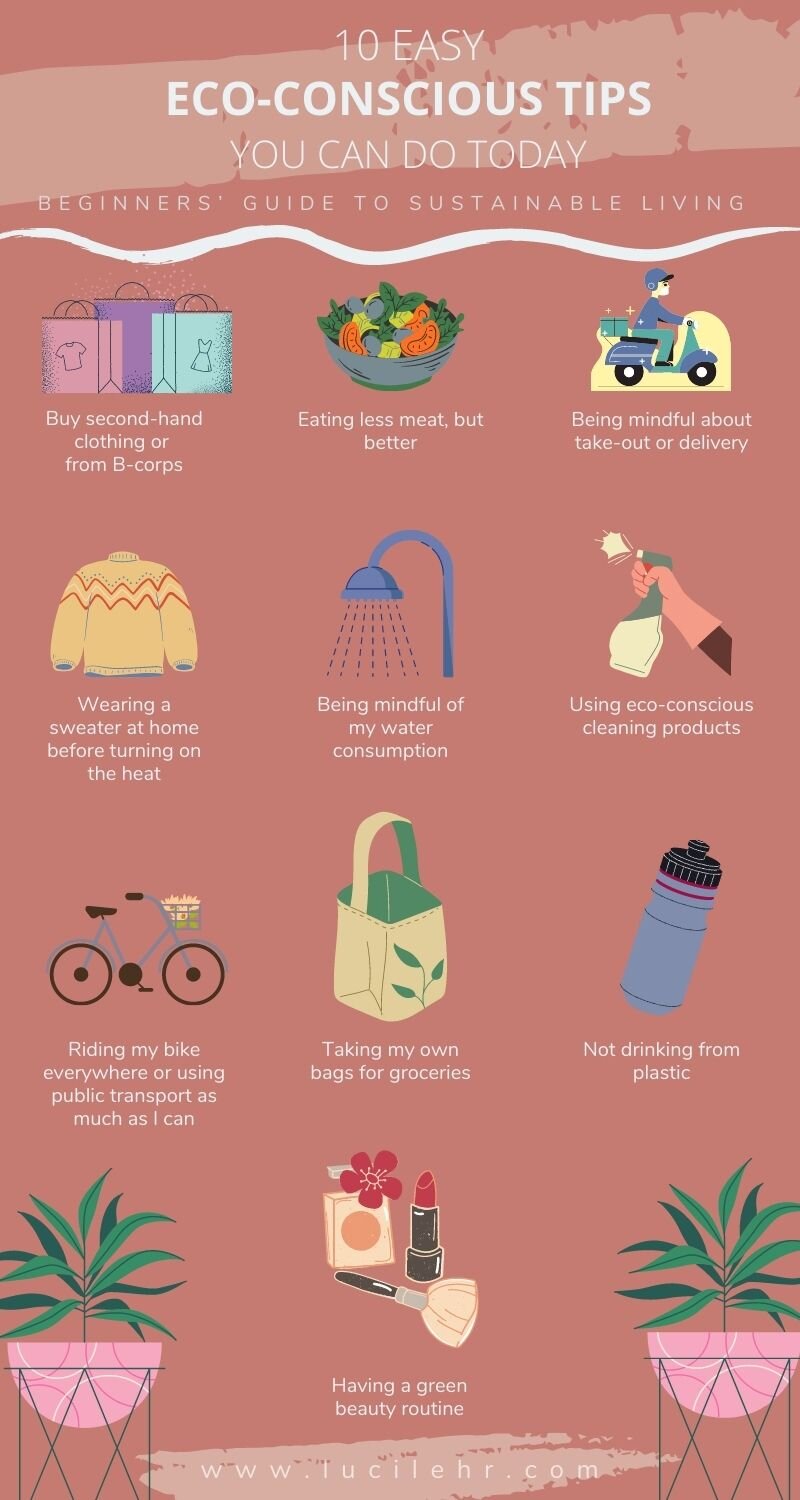
The Rise of Eco-Conscious Living: A Sustainable Lifestyle Choice
In recent years, there has been a noticeable shift towards eco-conscious living as individuals and communities become more aware of the impact of their daily choices on the environment. This growing movement is not just a trend but a fundamental shift towards embracing sustainability and responsible consumption.
Being eco-conscious means making decisions that consider the long-term health of the planet. It involves being mindful of how our actions affect the environment and taking steps to minimise our ecological footprint. From reducing single-use plastic to supporting local farmers and businesses, there are numerous ways in which individuals can incorporate eco-conscious practices into their daily lives.
One key aspect of eco-conscious living is reducing waste and promoting recycling. By choosing products with minimal packaging or opting for reusable alternatives, individuals can significantly reduce the amount of waste that ends up in landfills or pollutes our oceans. Recycling materials such as paper, glass, and plastic also helps conserve resources and reduce energy consumption.
Another important element of eco-conscious living is supporting sustainable practices in food production. This includes choosing organic produce, supporting fair trade initiatives, and reducing meat consumption to lower carbon emissions associated with livestock farming. By making informed choices about what we eat, we can contribute to a more environmentally friendly food system.
Furthermore, eco-conscious living extends beyond individual actions to encompass broader societal changes. Advocating for policies that promote renewable energy sources, conservation efforts, and environmental protection is crucial in creating a more sustainable future for all. By raising awareness about environmental issues and participating in collective action, individuals can drive positive change at both local and global levels.
In conclusion, embracing an eco-conscious lifestyle is not just about following a trend; it’s about recognising our responsibility towards the planet we call home. By adopting sustainable practices and advocating for environmental stewardship, we can work together to create a healthier, greener future for generations to come.
Embracing Eco-Conscious Living: 7 Benefits for a Sustainable Future
- Reduces environmental impact
- Promotes sustainable living practices
- Conserves natural resources
- Minimises waste generation
- Supports ethical and fair trade initiatives
- Lowers carbon footprint
- Creates a healthier planet for future generations
Challenges of Embracing Eco-Conscious Living: Costs, Accessibility, and Information Barriers
- Higher initial costs for eco-friendly products and services
- Limited availability of eco-conscious options in certain areas
- Potential inconvenience in adopting sustainable practices
- Perceived social stigma or judgment for not being fully eco-conscious
- Complexity of understanding the environmental impact of different choices
- Difficulty in finding reliable information on green products and their effectiveness
Reduces environmental impact
By embracing eco-conscious practices, individuals can significantly reduce their environmental impact. By making sustainable choices such as using reusable products, conserving energy, and supporting environmentally friendly initiatives, we can lessen the strain on natural resources and minimise pollution. This proactive approach not only benefits the planet by preserving ecosystems and biodiversity but also contributes to mitigating climate change and creating a more sustainable future for generations to come.
Promotes sustainable living practices
Promoting sustainable living practices is a key benefit of being eco-conscious. By encouraging individuals to make environmentally friendly choices in their daily lives, such as reducing waste, conserving energy, and supporting ethical products, eco-consciousness fosters a culture of long-term sustainability. These practices not only benefit the environment by minimising resource depletion and pollution but also contribute to building resilient communities and a healthier planet for future generations to enjoy.
Conserves natural resources
Conserving natural resources is a key benefit of embracing an eco-conscious lifestyle. By reducing waste, recycling materials, and choosing sustainable products, individuals can help preserve vital resources such as water, forests, and minerals. This proactive approach not only minimises the depletion of finite resources but also promotes responsible stewardship of the environment for future generations. Embracing practices that conserve natural resources is essential in creating a more sustainable and harmonious relationship between humans and the planet we inhabit.
Minimises waste generation
Minimising waste generation is a significant benefit of adopting an eco-conscious lifestyle. By being mindful of the products we consume and the packaging they come in, we can reduce the amount of waste that ends up in landfills or pollutes our environment. Choosing reusable alternatives, supporting recycling initiatives, and opting for products with minimal packaging all contribute to a more sustainable approach that helps preserve natural resources and minimise our impact on the planet. Embracing practices that minimise waste generation is not only environmentally responsible but also contributes to a cleaner and healthier future for all.
Supports ethical and fair trade initiatives
Supporting ethical and fair trade initiatives is a key pro of eco-conscious living. By choosing products that are sourced ethically and traded fairly, individuals contribute to creating a more equitable and sustainable global marketplace. This practice helps ensure that producers receive fair wages, work in safe conditions, and have respect for their rights. By prioritising ethical and fair trade products, eco-conscious consumers actively promote social justice and economic empowerment for communities around the world.
Lowers carbon footprint
By being eco-conscious and making sustainable choices, individuals can significantly lower their carbon footprint. This means reducing the amount of greenhouse gases emitted into the atmosphere, thereby helping to mitigate climate change. From using public transportation and cycling instead of driving, to choosing energy-efficient appliances and supporting renewable energy sources, each eco-conscious decision contributes to a healthier planet by minimising carbon emissions.
Creates a healthier planet for future generations
By embracing eco-conscious practices, we have the opportunity to create a healthier planet for future generations. By reducing pollution, conserving natural resources, and protecting ecosystems, we can ensure that our children and grandchildren inherit a world that is sustainable and thriving. Making environmentally responsible choices today not only benefits our own well-being but also sets a positive example for the next generation to continue prioritising the health of our planet.
Higher initial costs for eco-friendly products and services
One notable drawback of embracing eco-conscious practices is the higher initial costs associated with purchasing eco-friendly products and services. While these environmentally sustainable options often offer long-term benefits in terms of reduced energy consumption, lower environmental impact, and improved health outcomes, the upfront investment required can be a barrier for some individuals. The higher price tags on eco-friendly alternatives may deter budget-conscious consumers from making the switch, despite the potential savings and positive environmental effects in the long run. Balancing the initial financial outlay with the long-term benefits of sustainability remains a challenge for those seeking to adopt eco-conscious lifestyles.
Limited availability of eco-conscious options in certain areas
The limited availability of eco-conscious options in certain areas poses a significant challenge for individuals striving to adopt sustainable practices. In regions where access to environmentally friendly products and services is restricted, individuals may find it difficult to make eco-conscious choices in their daily lives. This lack of availability can hinder efforts to reduce waste, promote recycling, and support sustainable initiatives, ultimately impeding progress towards a more environmentally conscious society. Addressing this con of eco-conscious living requires concerted efforts to expand the availability of eco-friendly options across different regions, ensuring that everyone has the opportunity to make environmentally responsible choices for a greener future.
Potential inconvenience in adopting sustainable practices
Embracing eco-conscious living may come with the con of potential inconvenience in adopting sustainable practices. Making environmentally friendly choices often requires extra time and effort, such as researching eco-friendly products, sourcing sustainable alternatives, or implementing recycling routines. Additionally, some sustainable options may be less readily available or more expensive than conventional products, which can pose challenges for individuals on a tight budget. Despite these inconveniences, the long-term benefits of reducing environmental impact and promoting a healthier planet make the transition to eco-conscious living a worthwhile endeavour.
Perceived social stigma or judgment for not being fully eco-conscious
In the realm of eco-conscious living, one notable con is the perceived social stigma or judgment that individuals may face for not adhering to strict eco-friendly practices. Some people may feel pressured to conform to certain environmental standards, leading to feelings of guilt or inadequacy if they are unable to meet those expectations. This perceived judgment can create a sense of division within communities and hinder open dialogue about sustainability, ultimately detracting from the inclusive and collaborative spirit that is essential for promoting positive environmental change.
Complexity of understanding the environmental impact of different choices
Navigating the complexity of understanding the environmental impact of different choices can be a significant challenge when striving to be eco-conscious. With a multitude of factors to consider, such as production processes, supply chains, and waste management systems, it can be overwhelming for individuals to fully grasp the implications of their everyday decisions on the environment. This lack of clarity may lead to confusion and indecision, making it difficult for people to confidently choose the most sustainable options. Despite this conundrum, educating oneself about environmental issues and seeking transparent information from companies and organisations can help individuals make more informed choices towards a greener lifestyle.
Difficulty in finding reliable information on green products and their effectiveness
Navigating the world of eco-conscious living can present challenges, particularly when it comes to sourcing reliable information on green products and determining their effectiveness. With a plethora of eco-friendly options available in the market, consumers often face the dilemma of discerning genuine environmentally friendly products from those that simply claim to be sustainable. This lack of transparency can lead to confusion and scepticism, making it difficult for individuals to make informed choices that align with their eco-conscious values. As a result, there is a pressing need for clearer standards and regulations in the green product industry to ensure transparency and enable consumers to confidently select products that truly contribute to sustainability.