
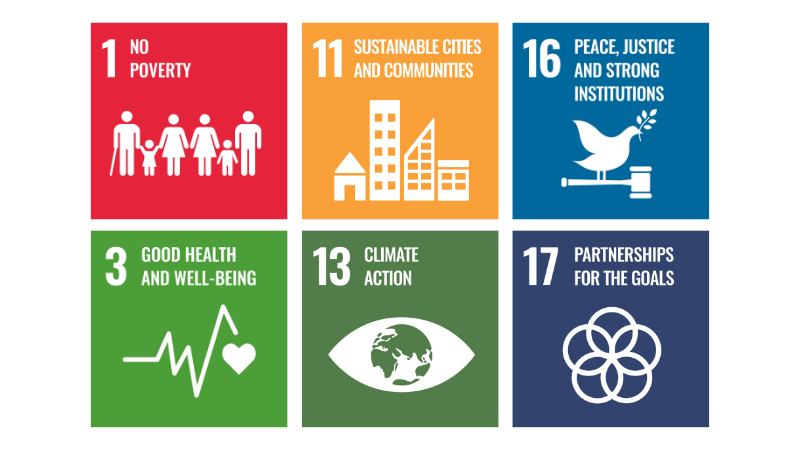
The 17 Sustainable Development Goals: A Global Plan for a Better Future
The Sustainable Development Goals (SDGs) are a set of 17 shared goals adopted by all United Nations Member States in 2015. They form the heart of the 2030 Agenda for Sustainable Development: a global plan to improve people’s lives, protect the planet and support peace and prosperity.
The goals are connected. Progress in areas such as education, health and decent work can help reduce poverty and inequality, while action on climate change and biodiversity helps protect the natural systems on which communities depend. Governments, businesses, organisations and individuals all have a part to play.
The 17 Sustainable Development Goals
- No Poverty: End poverty in all its forms and ensure people can access essential resources, services and opportunities.
- Zero Hunger: End hunger, improve nutrition, achieve food security and promote sustainable agriculture.
- Good Health and Well-being: Support healthy lives and well-being for people of all ages, including access to quality healthcare.
- Quality Education: Ensure inclusive, equitable quality education and opportunities for lifelong learning.
- Gender Equality: Achieve equality for women and girls and remove discrimination and barriers to their participation.
- Clean Water and Sanitation: Improve access to safe water and sanitation, while supporting the sustainable management of water resources.
- Affordable and Clean Energy: Expand access to reliable, sustainable and modern energy that people can afford.
- Decent Work and Economic Growth: Promote inclusive economic growth, productive employment and safe, fair working conditions.
- Industry, Innovation and Infrastructure: Build resilient infrastructure, support sustainable industries and encourage innovation.
- Reduced Inequalities: Reduce inequality within and between countries and promote social, economic and political inclusion.
- Sustainable Cities and Communities: Make settlements inclusive, safe, resilient and sustainable.
- Responsible Consumption and Production: Use resources more efficiently and reduce waste and pollution throughout production and consumption.
- Climate Action: Take urgent action to address climate change and its impacts.
- Life Below Water: Protect oceans and marine resources and use them sustainably.
- Life on Land: Protect and restore terrestrial ecosystems, manage forests sustainably and halt biodiversity loss.
- Peace, Justice and Strong Institutions: Promote peaceful and inclusive societies, access to justice and accountable institutions.
- Partnerships for the Goals: Strengthen international cooperation and bring together the resources and expertise needed to achieve the goals.
Why the SDGs Matter
The SDGs offer a common framework for tackling challenges that cross borders and affect communities in different ways. They recognise that social progress, economic development and environmental protection are closely linked. For example, access to education can improve employment prospects, while clean energy can support development without relying as heavily on polluting fuels.
The goals are ambitious, and achieving them requires sustained effort. Governments can shape policy and investment; businesses can improve how they produce goods and treat workers; community groups can support local initiatives; and individuals can make informed choices and call for action. No single organisation or country can achieve the goals alone.
Working Towards 2030
The 17 Sustainable Development Goals provide a shared direction for building a fairer, healthier and more sustainable world. Meeting them calls for practical action, collaboration and progress that includes everyone—particularly people who face the greatest barriers. The 2030 deadline is a reminder that the work is urgent, and that every contribution can help move the world closer to these goals.
Six Simple Ways to Support the 17 Sustainable Development Goals
- Learn about all 17 Sustainable Development Goals and share what you discover.
- Choose local products and reduce food waste to support responsible consumption.
- Save water and energy at home to help protect the climate and natural resources.
- Treat everyone fairly and support equal opportunities in your community.
- Walk, cycle or use public transport to reduce pollution.
- Volunteer or donate to a trusted organisation working towards the Goals.
Learn about all 17 Sustainable Development Goals and share what you discover.
Take time to learn about all 17 Sustainable Development Goals, from ending poverty and improving health to protecting the planet and building peaceful, inclusive societies. Understanding how the goals connect can help you see the challenges facing communities around the world and the actions that can make a difference. Share what you discover with friends, family, colleagues or your community to raise awareness and inspire others to get involved.
Choose local products and reduce food waste to support responsible consumption.
Choosing locally produced food can support nearby farmers and businesses, reduce the distance food travels and help strengthen local communities. Planning meals, storing food properly and using leftovers can also prevent edible food from going to waste. Together, these everyday choices support SDG 12: Responsible Consumption and Production, by helping us use resources more thoughtfully and reduce the environmental impact of what we eat.
Save water and energy at home to help protect the climate and natural resources.
Saving water and energy at home is a simple way to support several of the Sustainable Development Goals, including Clean Water and Sanitation, Affordable and Clean Energy, Responsible Consumption and Production, and Climate Action. Turn off taps when they are not in use, fix leaks, switch off lights and appliances, and choose energy-efficient options where possible. These everyday habits can reduce household bills, lower greenhouse gas emissions and help protect valuable natural resources.
Treat everyone fairly and support equal opportunities in your community.
Treat everyone fairly and help create equal opportunities in your community. Listen to people’s experiences, challenge discrimination and support inclusive access to education, work and local services. Small actions—such as welcoming different perspectives, sharing opportunities and standing up for others—can help reduce inequality and build a more inclusive community, contributing to the Sustainable Development Goals, particularly Goal 10: Reduced Inequalities.
Walk, cycle or use public transport to reduce pollution.
Choosing to walk, cycle or use public transport instead of travelling by car can help reduce air pollution and greenhouse gas emissions. These everyday choices support the Sustainable Development Goals, particularly Goal 11, which promotes sustainable cities and communities, and Goal 13, which calls for urgent action on climate change. They can also ease traffic congestion and bring health benefits: walking and cycling add physical activity to the day, while public transport can make better use of road space.
Volunteer or donate to a trusted organisation working towards the Goals.
Volunteering your time or donating to a trusted organisation is a practical way to support the Sustainable Development Goals (SDGs). Look for a reputable charity or community group whose work aligns with the goals you care about, such as reducing poverty, improving education or protecting the environment. Before getting involved, check how the organisation uses its funds and what impact its work has. Even a small donation or a few hours of volunteering can help support meaningful local action and contribute to progress towards the Goals.