
Environmental Sustainability in Business
Environmental sustainability has become an important consideration for businesses of every size. Rising resource costs, changing regulations and growing public concern about climate change are encouraging organisations to rethink how they operate. Taking a more sustainable approach can help protect the environment while building resilient businesses and stronger relationships with customers, employees and suppliers.
What does environmental sustainability mean for business?
In business, environmental sustainability means meeting an organisation’s needs while reducing harm to the natural world. This can involve cutting greenhouse gas emissions, using energy and materials more efficiently, reducing waste and pollution, and protecting biodiversity. It also means looking beyond a company’s own premises to consider the environmental impact of the goods and services it buys, makes, transports and sells.
There is no single approach that suits every organisation. A manufacturer may focus on energy use and production waste, while a professional services firm may prioritise travel, buildings and digital infrastructure. The most effective plans are based on a clear understanding of a business’s activities and impacts.
Why sustainability matters
Environmental action can bring practical benefits. Improving energy efficiency may lower bills, while reducing material use can cut purchasing and disposal costs. Designing products to last longer or be repaired can also help businesses make better use of resources.
Sustainability can support resilience, too. Businesses that understand their reliance on energy, water, raw materials and transport may be better prepared for supply disruptions and changing prices. Environmental performance is also increasingly relevant to customers, employees, investors and business partners, who may want to know how an organisation is managing its impacts.
In the UK, businesses may also need to consider environmental laws, reporting requirements and sector-specific standards. These rules can change, so organisations should check current guidance relevant to their size and activities rather than assume that a voluntary commitment meets every legal obligation.
Practical steps businesses can take
Measure environmental impacts
A useful starting point is to establish a baseline. Businesses can review energy and water use, fuel consumption, waste, purchasing and transport. Measuring greenhouse gas emissions can help identify the largest sources of impact and show where reductions are possible. Data should be recorded consistently so that progress can be assessed over time.
Set clear, realistic goals
Once the main impacts are understood, a business can set specific goals with clear timescales. These might include reducing energy use, switching to renewable electricity where appropriate, cutting avoidable waste or choosing lower-impact materials. Targets should be supported by practical plans, assigned responsibilities and regular reviews.
Use energy and resources more efficiently
Simple operational changes can make a difference. Businesses might improve insulation and heating controls, replace inefficient lighting, maintain equipment, reduce unnecessary printing or review water use. For larger investments, such as new machinery or building upgrades, it is helpful to consider whole-life costs and environmental performance, not only the initial purchase price.
Reduce waste and design for reuse
Preventing waste is often more effective than dealing with it after it has been created. Organisations can review packaging, stock management and production processes to avoid excess materials. Where waste cannot be prevented, reuse and recycling may help keep useful resources in circulation. Businesses that design products and packaging for durability, repair and recyclability can contribute to a more circular economy.
Work with suppliers
A business’s environmental footprint often extends across its supply chain. Working with suppliers can help identify opportunities to reduce emissions, packaging and waste. Clear purchasing standards, open communication and long-term partnerships are generally more constructive than making requirements without support or context. Smaller businesses can start by asking key suppliers about their environmental practices and exploring practical improvements together.
Involve employees
Employees can help identify inefficiencies and put sustainability plans into practice. Clear guidance, training and opportunities to suggest improvements can build shared responsibility. It is important to make sustainable choices practical—for example, by providing suitable recycling facilities or supporting lower-carbon travel where possible.
Communicate honestly
Businesses should describe their environmental progress accurately and avoid vague claims that are difficult to substantiate. Statements such as “green” or “eco-friendly” may give a misleading impression if they are not supported by clear evidence. Specific information—such as what has changed, how it was measured and what remains to be done—is more useful to customers and other stakeholders.
Transparent reporting also helps an organisation stay accountable. Sharing both achievements and ongoing challenges can build trust and encourage realistic progress.
Making sustainability part of everyday decisions
Environmental sustainability is not a one-off project. It works best when it is included in routine decisions about investment, operations, product design, procurement and growth. Businesses do not need to solve every issue at once. By measuring their impacts, prioritising the most significant areas and reviewing progress regularly, they can make steady, meaningful improvements.
For organisations willing to take a thoughtful and evidence-based approach, sustainability is more than an environmental commitment. It is an opportunity to use resources wisely, prepare for change and contribute to a healthier future.
Understanding Environmental Sustainability in Business: Key Questions and Answers
- What is environmental sustainability for businesses?
- What are the 4 types of environmental sustainability?
- Why is environmental sustainability important in business?
- What are 5 examples of environmental sustainability?
- What is an example of environmental Sustainability in business?
- What is meant by environmental sustainability?
- How can environmental sustainability be achieved in a business?
What is environmental sustainability for businesses?
Environmental sustainability for businesses means operating in ways that reduce harm to the natural environment while meeting the needs of the organisation and its customers. This includes using energy, water and raw materials efficiently, cutting greenhouse gas emissions and pollution, reducing waste, and considering the environmental impact of suppliers and products. The aim is to make responsible choices that support the business over the long term while helping protect natural resources for future generations.
What are the 4 types of environmental sustainability?
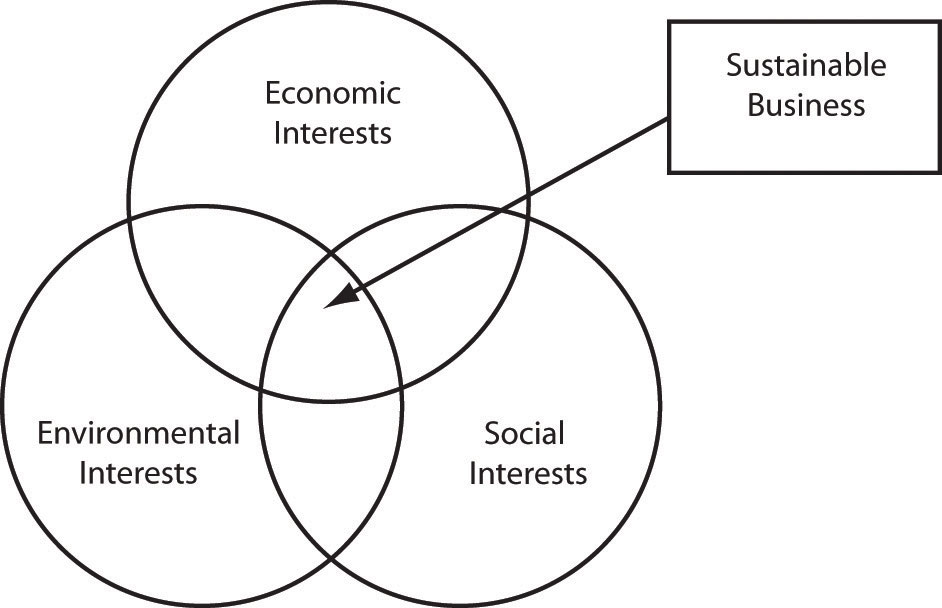
There is no universally agreed list of four “types” of environmental sustainability, but sustainability is often explained through four connected pillars: environmental, social, economic and cultural. Environmental sustainability focuses on protecting natural resources and ecosystems; social sustainability supports people’s wellbeing and fairness; economic sustainability encourages viable long-term business practices; and cultural sustainability respects heritage, values and local knowledge. For businesses, these pillars are interdependent: environmental action is more likely to last when it is socially responsible, economically practical and appropriate to the communities involved.
Why is environmental sustainability important in business?
Environmental sustainability is important in business because it helps reduce harm to the natural world while supporting long-term resilience and success. Using energy, water and materials more efficiently can lower costs and waste, while preparing for environmental risks and changing regulations can help businesses adapt. Responsible practices can also strengthen trust with customers, employees, suppliers and investors, who increasingly value organisations that act transparently and thoughtfully.
What are 5 examples of environmental sustainability?
Five examples of environmental sustainability in business include switching to renewable electricity, improving energy efficiency, reducing waste through reuse and recycling, choosing responsibly sourced materials, and cutting emissions from transport by using lower-carbon delivery options or supporting public transport and cycling. These actions can help reduce a company’s environmental impact while making better use of resources.
What is an example of environmental Sustainability in business?
An example of environmental sustainability in business is a company switching to renewable electricity and improving the energy efficiency of its buildings. It might install LED lighting, upgrade insulation and use smart heating controls to reduce energy consumption, then track its progress over time. This helps lower the business’s environmental impact and may also reduce energy costs.
What is meant by environmental sustainability?
Environmental sustainability means using natural resources responsibly and reducing harm to the environment, so that ecosystems can thrive and resources remain available for future generations. For businesses, this involves considering the environmental impact of their operations and supply chains, including energy and water use, greenhouse gas emissions, pollution and waste, and taking practical steps to reduce that impact.
How can environmental sustainability be achieved in a business?
Environmental sustainability can be achieved by first measuring your business’s impact, including its energy use, emissions, water consumption and waste. Set clear, achievable targets, then take practical steps such as improving energy efficiency, reducing unnecessary materials and packaging, reusing and recycling resources, and choosing more sustainable suppliers. Involve employees, review progress regularly and share results honestly. The right actions will depend on your business, so focus on the areas where you can make the greatest difference and build improvements into everyday decisions.