
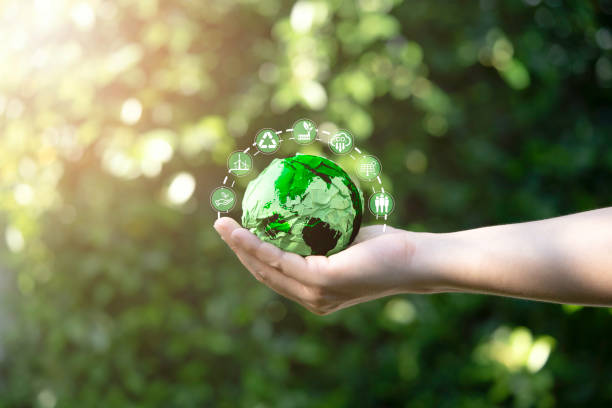
Green Sustainability: Building a Better Future
Green sustainability is about meeting people’s needs today while protecting the natural systems that future generations will depend on. It means using energy, materials and land responsibly, reducing pollution and waste, and making decisions that support both human wellbeing and the health of the planet.
As climate change, biodiversity loss and resource depletion place growing pressure on communities around the world, sustainability is no longer a distant ambition. It is a practical challenge for households, businesses and governments alike—and an opportunity to create healthier, more resilient ways of living.
What does green sustainability mean?
The word “sustainability” is often associated with the environment, but it also has social and economic dimensions. A sustainable approach considers how environmental protection, fair opportunities and long-term prosperity can work together.
- Environmental responsibility: protecting ecosystems, reducing emissions and using resources carefully.
- Social wellbeing: supporting healthy, safe and inclusive communities.
- Economic resilience: creating lasting livelihoods and prosperity without relying on the depletion of natural resources.
Green sustainability focuses particularly on the relationship between human activity and the natural environment. It recognises that clean air, fresh water, fertile soil and thriving wildlife are essential to society and the economy.
Why is it important?
Many of the resources used in everyday life—from food and building materials to electricity and transport—have an environmental impact. When resources are consumed faster than nature can replenish them, or when pollution exceeds what ecosystems can absorb, the consequences can include damaged habitats, poorer health and greater vulnerability to extreme weather.
Taking action can bring benefits as well as reduce harm. Energy-efficient homes can be more comfortable and less costly to run. Cleaner transport can improve air quality. Restoring natural habitats can support wildlife while helping landscapes manage flooding and heat. These changes can make communities healthier and better prepared for future challenges.
Practical ways to support sustainability
Use energy more efficiently
Reducing energy use is an important step. Simple measures such as switching off unused appliances, improving insulation and choosing efficient lighting can help. Where available and suitable, renewable electricity can further reduce the emissions associated with energy use.
Choose lower-impact transport
Walking, cycling and public transport can reduce reliance on private cars, particularly for shorter journeys. Where driving is necessary, combining errands and sharing journeys can help avoid unnecessary travel. The best option depends on local access, distance and individual circumstances.
Waste less and reuse more
Buying only what is needed, repairing items and choosing durable products can reduce waste and demand for raw materials. Recycling is useful, but preventing waste in the first place is generally better. Food waste can be reduced by planning meals, storing food properly and using leftovers.
Make thoughtful food choices
Food production affects land, water, energy use and biodiversity. Eating a varied diet with more plant-based foods, choosing seasonal produce where practical and avoiding food waste can help lower some of these impacts. Sustainable food choices should also be affordable, nutritious and suited to people’s needs and circumstances.
Protect nature
Healthy ecosystems provide habitats for wildlife and support essential processes such as pollination, water regulation and soil formation. Communities can contribute by caring for local green spaces, planting suitable native species and supporting responsible land and nature conservation.
The role of businesses and communities
Individual choices matter, but they cannot solve environmental challenges alone. Businesses can review their supply chains, use resources more efficiently, reduce pollution and design products that last longer and are easier to repair or reuse. Clear, evidence-based reporting helps people understand what organisations are doing and whether progress is being made.
Local authorities and community groups can also make a difference by improving public transport, creating safe walking and cycling routes, protecting green spaces and supporting affordable energy-efficiency improvements. Collaboration is vital: lasting change is more achievable when residents, organisations and decision-makers work towards shared goals.
A fair transition
Moving towards a greener society should be fair as well as effective. The costs and benefits of change are not always shared equally. People on lower incomes, workers in affected industries and communities exposed to environmental risks may need additional support. A fair transition includes accessible training, decent employment, affordable essential services and meaningful public involvement in decision-making.
Turning commitment into progress
Green sustainability is not a single action or a perfect lifestyle. It is an ongoing effort to make better choices, improve systems and measure what works. Progress depends on reliable information, practical solutions and a willingness to learn and adapt.
By reducing waste, protecting nature and making communities more resilient, society can move towards a future that is cleaner, healthier and more secure. Every contribution matters—but the greatest progress comes when individual action is supported by responsible organisations and effective public policy.
Eight Benefits of Green Sustainability: Protecting the Planet and Enhancing Lives
- Reduces greenhouse gas emissions.
- Protects wildlife and natural habitats.
- Cuts waste and pollution.
- Conserves water and other resources.
- Improves air quality and public health.
- Can lower energy bills.
- Supports green jobs and innovation.
- Helps communities prepare for climate impacts.
Challenges in Green Sustainability: High Costs, Misleading Claims, Accessibility Issues, and Unintended Impacts
- Upfront costs can be high.
- Green claims may be misleading.
- Sustainable options are not equally accessible.
- Some solutions can have unintended environmental impacts.
Reduces greenhouse gas emissions.
Green sustainability helps reduce greenhouse gas emissions by encouraging cleaner energy, energy-efficient buildings and lower-impact transport. It also promotes practices such as reducing waste and protecting forests, which can limit emissions and support the natural absorption of carbon dioxide. Together, these measures help slow climate change and create cleaner, healthier communities.
Protects wildlife and natural habitats.
Green sustainability helps protect wildlife and natural habitats by reducing pollution, conserving land and water, and encouraging the responsible use of natural resources. Protecting forests, wetlands, rivers and other ecosystems gives plants and animals the space and conditions they need to thrive. These healthy habitats also support essential natural processes, such as pollination and clean water, benefiting people as well as wildlife.
Cuts waste and pollution.
Green sustainability helps cut waste and pollution by encouraging people and businesses to use resources more efficiently, reuse and repair products, and recycle materials where possible. Choosing durable goods and reducing unnecessary packaging can also limit the amount sent to landfill. At the same time, cleaner energy and less polluting methods of production can reduce harmful emissions, helping to improve air and water quality and protect wildlife and human health.
Conserves water and other resources.
Green sustainability helps conserve water and other valuable resources by encouraging people and organisations to use them more thoughtfully. Measures such as fixing leaks, collecting rainwater, improving irrigation and choosing water-efficient appliances can reduce unnecessary water use. Reusing materials, repairing products and reducing waste also mean fewer raw materials and less energy are needed to make new goods. Together, these practices protect natural resources, lower environmental pressure and help ensure they remain available for future generations.
Improves air quality and public health.
Green sustainability can improve air quality and public health by reducing pollution from vehicles, industry and energy production. Cleaner transport, renewable energy and greener urban spaces help limit harmful emissions, while more walking and cycling can encourage physical activity. As a result, communities may experience fewer pollution-related health problems, such as respiratory and cardiovascular illnesses, and enjoy healthier places to live.
Can lower energy bills.
Green sustainability can help lower energy bills by reducing the amount of energy used at home or at work. Simple steps such as improving insulation, switching to energy-efficient lighting and appliances, and turning off equipment when it is not needed can cut unnecessary consumption. Over time, these changes may reduce running costs while also helping to lower carbon emissions.
Supports green jobs and innovation.
Green sustainability can support the growth of green jobs and encourage innovation across many sectors. As demand increases for renewable energy, energy-efficient buildings, cleaner transport and sustainable products, new roles emerge in areas such as engineering, construction, research and environmental management. This shift can also inspire businesses to develop more efficient technologies and responsible ways of working, helping to create skilled employment while reducing pressure on the environment.
Helps communities prepare for climate impacts.
Green sustainability helps communities prepare for climate impacts by strengthening the natural and social systems they rely on. Measures such as restoring wetlands, planting trees and creating green spaces can reduce flooding and provide shade during heatwaves, while resilient infrastructure and well-planned emergency services help people respond to extreme weather. Investing in these measures can protect homes, health and livelihoods, particularly for people most at risk.
Upfront costs can be high.
One drawback of green sustainability is that the upfront costs can be high. Installing solar panels, improving home insulation or switching to energy-efficient equipment may require a significant initial investment, which can be difficult for households and small businesses to afford. Although these changes may reduce energy bills and environmental impact over time, the long payback period can put people off, particularly when financial support or affordable funding is limited.
Green claims may be misleading.
Green claims may be misleading when products or organisations are described as “eco-friendly”, “natural” or “sustainable” without clear evidence to support those labels. This practice, often called greenwashing, can make it difficult for people to compare options and choose genuinely lower-impact products. Vague wording, selective information and unverified environmental claims may also undermine trust in sustainability efforts. Clear, specific claims backed by reliable evidence—and independent checks where appropriate—help people make more informed decisions.
Sustainable options are not equally accessible.
Sustainable options are not equally accessible to everyone. Energy-efficient appliances, electric vehicles and sustainably produced food can cost more upfront, while public transport and recycling facilities may be limited in some areas. People on lower incomes often have less choice about where they live, how they travel and what they buy, making it harder to adopt greener habits. For sustainability to be fair, governments and businesses need to make practical, affordable options available to all communities—not place the burden solely on individual consumers.
Some solutions can have unintended environmental impacts.
Some green sustainability solutions can have unintended environmental impacts if their full life cycle is not considered. For example, producing batteries for electric vehicles requires energy and raw materials, while poorly planned renewable energy projects can affect habitats and wildlife. These impacts do not necessarily outweigh the benefits, but they show why solutions should be carefully assessed, responsibly sourced and designed to minimise harm from production through to disposal.