
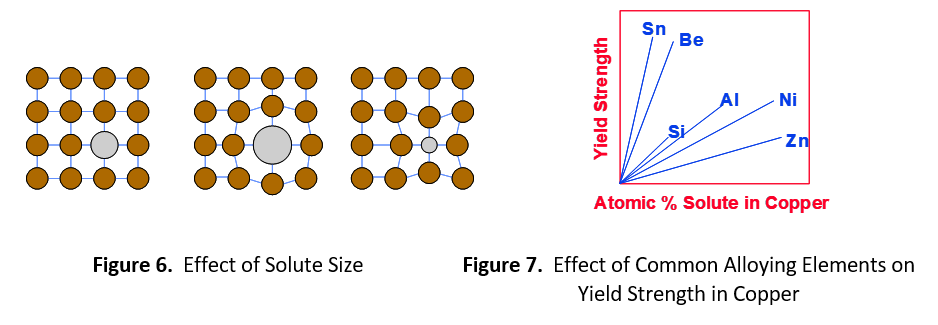
The Concept of Solid Solution
Solid solution is a term used in chemistry to describe a homogeneous mixture of two or more substances in a solid state. This phenomenon occurs when the atoms or molecules of different elements are evenly distributed within the crystal lattice structure of a solid material.
One common example of solid solution is the alloying of metals. When different metals are mixed together at high temperatures and then cooled, they can form a solid solution with unique properties that differ from those of the individual components. This process allows for the creation of materials with enhanced strength, durability, or other desirable characteristics.
Furthermore, solid solutions play a crucial role in various industrial applications, such as in the manufacturing of semiconductors, ceramics, and advanced materials. By carefully controlling the composition and structure of solid solutions, scientists and engineers can tailor the properties of materials to meet specific requirements for different purposes.
In nature, minerals often exhibit solid solution behaviour as well. For instance, in gemstones like sapphires and rubies, the presence of trace elements can create variations in colour due to solid solution effects. Understanding how solid solutions form and behave is essential for studying the properties and behaviour of many natural and synthetic materials.
In conclusion, solid solution represents a fascinating aspect of chemistry that enables the development of innovative materials with diverse applications across various industries. By harnessing the principles of solid solution chemistry, researchers continue to push the boundaries of material science and engineering to create new possibilities for technological advancement.
The Advantages of Solid Solutions: Enhancing Material Properties and Enabling Innovation
- Enhances the mechanical properties of materials, such as strength and hardness.
- Allows for the creation of alloys with customisable characteristics to suit specific applications.
- Improves resistance to corrosion and wear in metals through alloying.
- Facilitates the production of advanced materials with unique properties not found in pure elements.
- Enables precise control over material properties by adjusting composition and structure.
- Enhances thermal stability and conductivity in solid-state materials.
- Provides opportunities for innovation in industries like electronics, aerospace, and automotive.
- Contributes to the development of high-performance materials for diverse engineering applications.
Challenges and Limitations of Solid Solutions: Composition Control, Solubility, Processing, Stability, Impurities, and Structural Changes
- Difficulties in controlling the composition of solid solutions can lead to variations in material properties.
- Solid solutions may exhibit limited solubility, restricting the range of compositions that can be achieved.
- Formation of solid solutions often requires high temperatures and specific processing conditions, increasing production costs.
- Some solid solutions may be prone to phase separation or decomposition under certain environmental conditions.
- The presence of impurities or defects in solid solutions can affect their mechanical, electrical, or thermal properties.
- Solid solution formation may result in changes to the crystal structure, leading to potential challenges in material characterisation and analysis.
Enhances the mechanical properties of materials, such as strength and hardness.
Solid solution offers a significant advantage by enhancing the mechanical properties of materials, including strength and hardness. By forming a homogeneous mixture at the atomic level, solid solution can strengthen the crystal lattice structure of a material, making it more resistant to deformation and wear. This improvement in mechanical properties is particularly valuable in industries where high-strength materials are required to withstand harsh conditions or heavy loads. Through the strategic use of solid solution, engineers and scientists can tailor the properties of materials to achieve superior strength and hardness, leading to the development of more durable and reliable products.
Allows for the creation of alloys with customisable characteristics to suit specific applications.
Solid solution offers a significant advantage by enabling the creation of alloys with customisable characteristics tailored to specific applications. By mixing different metals in precise proportions, solid solution formation allows for the manipulation of properties such as strength, hardness, corrosion resistance, and conductivity in the resulting alloy. This versatility empowers industries to design materials that meet the exact requirements of their intended use, whether it be in aerospace engineering, automotive manufacturing, or electronics production. The ability to customise alloy compositions through solid solution chemistry plays a crucial role in advancing technology and enhancing performance across various sectors.
Improves resistance to corrosion and wear in metals through alloying.
By forming solid solutions through alloying, metals can significantly enhance their resistance to corrosion and wear. This pro of solid solution plays a crucial role in improving the durability and longevity of metal components in various applications. The homogeneous mixing of different elements within the crystal lattice structure creates a material with superior properties that can withstand harsh environmental conditions and mechanical stresses. This enhanced resistance to corrosion and wear not only extends the lifespan of metal products but also contributes to the overall efficiency and reliability of industrial processes where durability is essential.
Facilitates the production of advanced materials with unique properties not found in pure elements.
Solid solution offers a significant advantage in facilitating the production of advanced materials with unique properties that are not present in pure elements. By creating homogeneous mixtures of different substances in a solid state, solid solution allows for the development of materials with enhanced characteristics such as improved strength, durability, conductivity, or other desirable traits that surpass those of the individual components. This capability to tailor the properties of materials through solid solution chemistry opens up new avenues for innovation in material science and engineering, enabling the creation of cutting-edge materials with exceptional and customised attributes that would not be achievable using pure elements alone.
Enables precise control over material properties by adjusting composition and structure.
One significant advantage of solid solution is its ability to provide precise control over material properties through the adjustment of composition and structure. By carefully selecting the elements to be incorporated into the solid solution and controlling their distribution within the crystal lattice, engineers and scientists can tailor the characteristics of the material to meet specific requirements. This level of control allows for fine-tuning properties such as strength, conductivity, hardness, and corrosion resistance, making solid solutions a versatile choice for a wide range of applications in industries such as manufacturing, electronics, and materials science.
Enhances thermal stability and conductivity in solid-state materials.
Solid solutions offer a significant advantage by enhancing thermal stability and conductivity in solid-state materials. By incorporating different elements into a homogeneous mixture within the crystal lattice structure, solid solutions can improve the overall heat resistance and transfer properties of the material. This enhancement in thermal stability and conductivity is crucial for applications where efficient heat dissipation or retention is essential, such as in electronics, aerospace components, and high-temperature environments. Solid solutions play a vital role in optimising the performance of materials by providing them with superior thermal characteristics, contributing to their reliability and effectiveness in diverse settings.
Provides opportunities for innovation in industries like electronics, aerospace, and automotive.
Solid solution offers significant advantages in industries such as electronics, aerospace, and automotive by providing opportunities for innovation. By creating customised solid solutions through the precise combination of different elements, manufacturers can develop materials with tailored properties that meet specific performance requirements. In the electronics sector, solid solutions enable the production of advanced semiconductor materials for electronic devices. In aerospace and automotive industries, solid solutions contribute to the development of lightweight yet durable components that enhance fuel efficiency and overall performance. This versatility of solid solutions fuels innovation and drives progress in key industrial sectors, leading to the continuous evolution of technology and engineering solutions.
Contributes to the development of high-performance materials for diverse engineering applications.
Solid solution, as a key pro in material science, significantly contributes to the advancement of high-performance materials for a wide range of engineering applications. By carefully manipulating the composition and structure of solid solutions, engineers can tailor the properties of materials to meet specific requirements, such as enhanced strength, durability, and corrosion resistance. This capability allows for the creation of innovative materials that can withstand extreme conditions and perform optimally in various industries, from aerospace and automotive to electronics and construction. The ability to harness the potential of solid solutions plays a crucial role in developing cutting-edge materials that drive progress and innovation in engineering fields.
Difficulties in controlling the composition of solid solutions can lead to variations in material properties.
Difficulties in controlling the composition of solid solutions can pose a significant challenge, as they may result in unpredictable variations in material properties. When the distribution of different elements within a solid solution deviates from the desired composition, it can lead to alterations in characteristics such as strength, conductivity, or corrosion resistance. These variations can impact the performance and reliability of materials in practical applications, making it crucial to carefully monitor and adjust the composition of solid solutions during their formation. Failure to achieve precise control over composition can hinder the consistency and quality of the final product, highlighting the importance of thorough understanding and management of solid solution chemistry for achieving desired material properties.
Solid solutions may exhibit limited solubility, restricting the range of compositions that can be achieved.
Solid solutions, despite their many advantages, can present a significant drawback in the form of limited solubility. This limitation restricts the range of compositions that can be achieved within a solid solution. When certain elements have low solubility in a particular material, it can hinder the ability to create desired combinations or variations in properties. This constraint poses a challenge for engineers and scientists aiming to tailor materials with specific characteristics, as the composition range may be constrained by the solubility limits of the elements involved. Overcoming this con of solid solutions requires careful consideration of material selection and processing techniques to optimise composition and achieve desired outcomes effectively.
Formation of solid solutions often requires high temperatures and specific processing conditions, increasing production costs.
The formation of solid solutions often poses a significant drawback due to the requirement of high temperatures and specific processing conditions, leading to an increase in production costs. The need for controlled heating and cooling processes, along with precise composition adjustments, can result in added expenses for manufacturing solid solutions. These elevated production costs may limit the practicality and widespread adoption of solid solution materials in certain industries where cost-efficiency is a critical factor.
Some solid solutions may be prone to phase separation or decomposition under certain environmental conditions.
Some solid solutions may be prone to phase separation or decomposition under certain environmental conditions. This can occur when the composition of the solid solution is not stable or when external factors such as temperature, pressure, or exposure to other substances trigger a breakdown of the homogeneous mixture. Phase separation or decomposition can lead to the formation of distinct phases within the material, compromising its integrity and properties. Understanding and mitigating these risks are essential in ensuring the reliability and performance of solid solutions in practical applications across various industries.
The presence of impurities or defects in solid solutions can affect their mechanical, electrical, or thermal properties.
The presence of impurities or defects in solid solutions can significantly impact their mechanical, electrical, or thermal properties. When foreign substances are incorporated into the crystal lattice structure of a solid solution, they can disrupt the regular arrangement of atoms or molecules, leading to changes in the material’s strength, conductivity, or heat transfer capabilities. These impurities or defects may introduce structural weaknesses, alter the material’s electrical resistance, or hinder thermal conductivity, ultimately affecting the overall performance and reliability of the solid solution in practical applications. It is crucial for scientists and engineers to carefully consider and mitigate the effects of impurities and defects when designing and utilising solid solutions to ensure optimal functionality and durability.
Solid solution formation may result in changes to the crystal structure, leading to potential challenges in material characterisation and analysis.
Solid solution formation, while offering benefits in terms of material properties, can also present challenges due to potential alterations in the crystal structure. These structural changes resulting from the incorporation of different elements into a solid solution may complicate material characterisation and analysis processes. Researchers and scientists may encounter difficulties in accurately determining the composition, phase transitions, and other critical characteristics of solid solutions, which could impact their ability to fully understand and utilise these materials effectively in various applications. Careful consideration and advanced analytical techniques are necessary to overcome these challenges and ensure a comprehensive understanding of solid solution behaviour for successful material development and performance evaluation.