
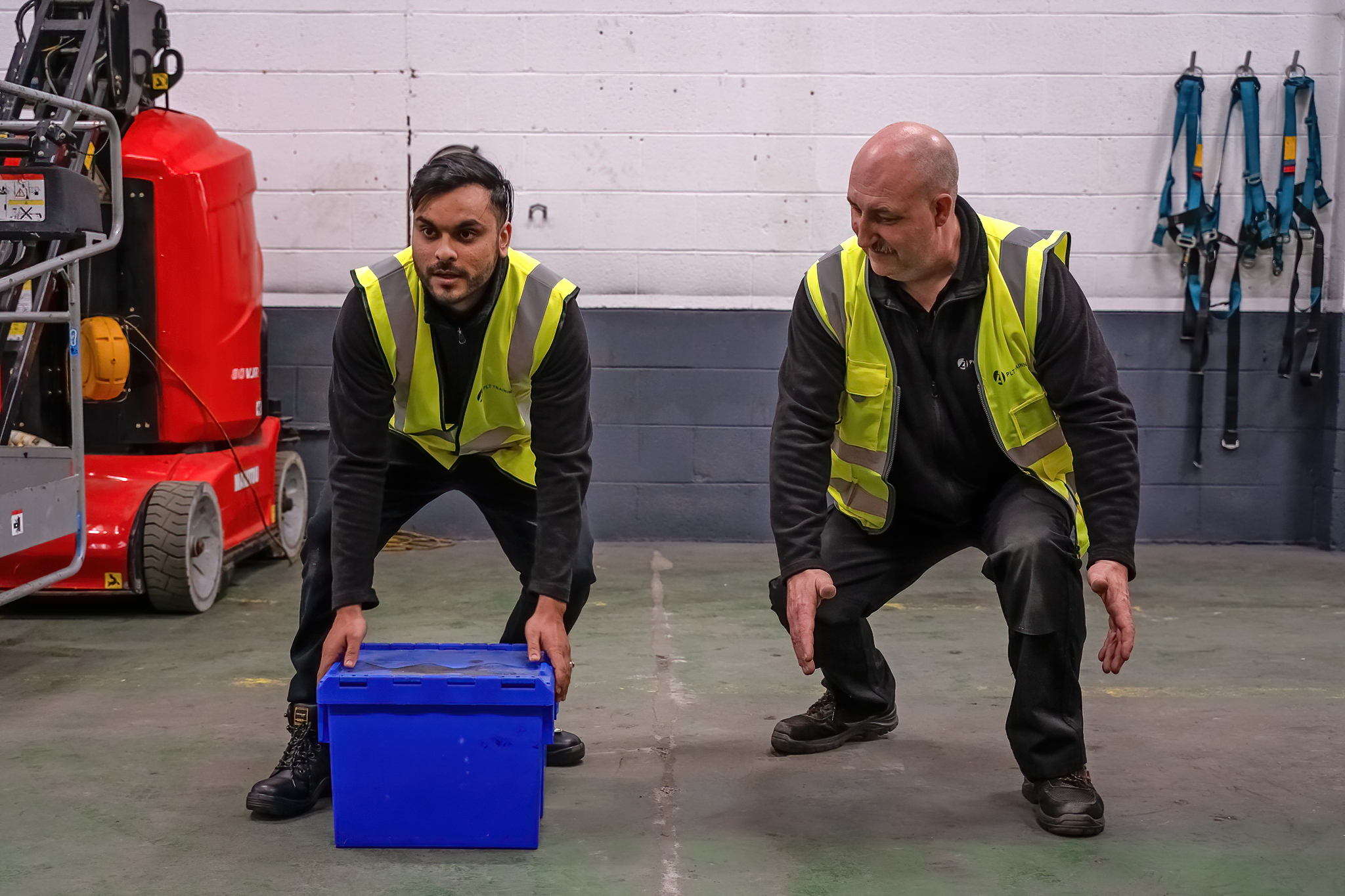
The Importance of Manual Handling Training
Manual handling refers to the moving or supporting of loads by hand or bodily force. It is a common task in many workplaces, and if not done correctly, it can lead to serious injuries. This is why manual handling training is crucial for employees who are involved in such activities.
One of the key benefits of manual handling training is the prevention of musculoskeletal disorders (MSDs). By learning the correct techniques for lifting, carrying, pushing, and pulling objects, employees can reduce the risk of back pain, strains, and other injuries that may result from improper handling.
Furthermore, manual handling training helps employees understand their legal responsibilities when it comes to health and safety in the workplace. Employers have a duty to provide a safe working environment for their staff, and proper training ensures that employees are equipped with the knowledge to handle loads safely.
Effective manual handling training covers a range of topics, including risk assessment, ergonomics, and practical demonstrations of lifting techniques. By educating employees on how to assess risks before carrying out manual handling tasks and providing them with practical skills to minimise those risks, employers can create a safer work environment for everyone.
In addition to reducing the risk of injuries and promoting workplace safety, manual handling training can also improve efficiency and productivity. When employees know how to handle loads correctly, they are less likely to experience fatigue or injuries that could impact their performance on the job.
In conclusion, investing in manual handling training is essential for any organisation that involves manual tasks in its operations. By prioritising the health and safety of employees through proper training and education, employers can create a positive work culture where everyone feels supported and valued.
Essential Tips for Effective Manual Handling Training: Ensuring Safety and Efficiency
- 1. Ensure proper training is provided on correct lifting techniques.
- 2. Encourage the use of mechanical aids when handling heavy loads.
- 3. Emphasize the importance of assessing the weight and size of objects before lifting.
- 4. Promote good posture and body mechanics during lifting and carrying tasks.
- 5. Stress the significance of teamwork when handling bulky or awkward items.
- 6. Advocate for regular breaks to prevent fatigue during manual handling tasks.
- 7. Provide guidance on how to adjust workstations to reduce strain on the body.
- 8. Highlight the risks associated with manual handling and how to mitigate them.
- 9. Encourage reporting of any discomfort or pain experienced during manual handling activities.
1. Ensure proper training is provided on correct lifting techniques.
It is crucial to ensure that proper training is provided on correct lifting techniques as part of manual handling training. By educating employees on the right way to lift, carry, push, and pull objects, organisations can significantly reduce the risk of musculoskeletal injuries and promote a safer work environment. Training in correct lifting techniques empowers employees to perform manual handling tasks efficiently and safely, ultimately contributing to improved workplace health and productivity.
2. Encourage the use of mechanical aids when handling heavy loads.
Encouraging the use of mechanical aids when handling heavy loads is a key tip in manual handling training. By utilising equipment such as trolleys, hoists, or forklifts, employees can reduce the physical strain on their bodies and minimise the risk of injuries. Mechanical aids not only make lifting and moving heavy objects easier but also promote efficiency in the workplace. Incorporating this practice into manual handling procedures demonstrates a commitment to employee well-being and safety, ultimately creating a safer and more productive work environment for all.
3. Emphasize the importance of assessing the weight and size of objects before lifting.
It is crucial to emphasise the importance of assessing the weight and size of objects before lifting during manual handling training. By determining the weight and size of an object beforehand, employees can make informed decisions about the most appropriate lifting techniques to use. This practice not only helps prevent injuries resulting from attempting to lift objects that are too heavy or awkwardly shaped but also promotes a safer work environment overall. Proper assessment of load characteristics is a fundamental step in ensuring the well-being of employees and reducing the risk of musculoskeletal injuries associated with manual handling tasks.
4. Promote good posture and body mechanics during lifting and carrying tasks.
Promoting good posture and body mechanics during lifting and carrying tasks is a crucial tip in manual handling training. By maintaining proper posture and using correct body mechanics, employees can reduce the risk of musculoskeletal injuries such as strains and back pain. Encouraging individuals to lift with their legs, keep their back straight, and avoid twisting while carrying loads not only enhances safety but also improves efficiency in completing tasks. Emphasising the importance of good posture instils a culture of safe manual handling practices within the workplace, benefiting both the employees’ well-being and the overall productivity of the organisation.
5. Stress the significance of teamwork when handling bulky or awkward items.
It is essential to stress the significance of teamwork when handling bulky or awkward items during manual handling training. Working together as a team not only distributes the weight of the load more evenly but also allows for better coordination and communication among team members. By encouraging collaboration and mutual support, employees can effectively navigate the challenges posed by bulky or awkward items, reducing the risk of injuries and promoting a safer work environment.
6. Advocate for regular breaks to prevent fatigue during manual handling tasks.
Advocating for regular breaks during manual handling tasks is a crucial tip to prevent fatigue and reduce the risk of injuries in the workplace. Taking short breaks allows employees to rest and recharge, helping them maintain focus and physical strength throughout the day. By incorporating regular breaks into their work routine, workers can alleviate muscle strain and avoid overexertion, leading to improved overall well-being and productivity. Prioritising the well-being of employees by encouraging breaks demonstrates a commitment to creating a safe and supportive work environment.
7. Provide guidance on how to adjust workstations to reduce strain on the body.
Providing guidance on how to adjust workstations to reduce strain on the body is a crucial aspect of manual handling training. By teaching employees how to set up their workstations ergonomically, employers can help prevent musculoskeletal injuries and promote overall well-being in the workplace. Simple adjustments, such as ensuring proper chair height, desk positioning, and monitor placement, can make a significant difference in reducing strain on the body during manual tasks. This proactive approach not only enhances employee comfort and productivity but also demonstrates a commitment to prioritising health and safety within the organisation.
8. Highlight the risks associated with manual handling and how to mitigate them.
To ensure effective manual handling training, it is crucial to highlight the various risks associated with manual handling tasks and provide clear guidance on how to mitigate them. By educating employees about the potential hazards such as back injuries, strains, and musculoskeletal disorders that can result from improper handling techniques, they can better understand the importance of following safe practices. Encouraging techniques such as proper lifting posture, using mechanical aids when necessary, and conducting risk assessments before carrying out tasks can significantly reduce the likelihood of injuries and create a safer working environment for all staff members.
9. Encourage reporting of any discomfort or pain experienced during manual handling activities.
Encouraging the reporting of any discomfort or pain experienced during manual handling activities is a crucial aspect of promoting workplace safety and preventing injuries. By creating an environment where employees feel comfortable speaking up about any issues they encounter, employers can address potential risks promptly and implement necessary adjustments to improve working conditions. Timely reporting of discomfort or pain not only helps in identifying areas for improvement in manual handling techniques but also demonstrates a commitment to the well-being of employees, fostering a culture of transparency and support within the organisation.