
The Importance of DevOps Training in the Modern Tech Industry
DevOps, a combination of “development” and “operations,” is a set of practices that aims to automate and integrate the processes between software development and IT teams. In today’s fast-paced tech industry, where agility and efficiency are paramount, DevOps has emerged as a crucial methodology for delivering high-quality software at speed.
DevOps training plays a vital role in equipping professionals with the skills and knowledge needed to implement DevOps practices effectively within organisations. Here are some key reasons why investing in DevOps training is essential:
- Enhanced Collaboration: DevOps training encourages collaboration between development, operations, and quality assurance teams, fostering a culture of shared responsibility and communication.
- Automation Skills: Through DevOps training, professionals learn how to automate manual tasks, streamline workflows, and improve overall efficiency in software development processes.
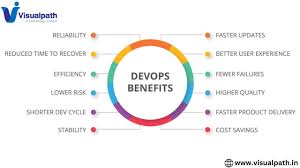
- Rapid Delivery: By mastering DevOps principles and tools, teams can accelerate the delivery of software products without compromising on quality or stability.
- Continuous Improvement: DevOps training instills a mindset of continuous improvement and feedback loops, enabling teams to iterate on their processes and deliver value to customers more effectively.
In conclusion, DevOps training is not just about learning specific tools or technologies; it is about embracing a culture of collaboration, automation, and continuous improvement that can drive innovation and success in the modern tech industry. By investing in DevOps training for your teams, you are investing in the future competitiveness and agility of your organisation.
Essential FAQs on DevOps Training: Importance, Benefits, Tools, and Impact on Software Development
- What is DevOps and why is it important for training?
- What are the key benefits of DevOps training for IT professionals?
- How can DevOps training improve collaboration within software development teams?
- What tools and technologies are typically covered in DevOps training courses?
- Is prior experience in programming or IT necessary to undergo DevOps training?
- How can organisations measure the effectiveness of DevOps training in improving their software delivery processes?
What is DevOps and why is it important for training?
DevOps, a portmanteau of “development” and “operations,” is a software development methodology that emphasises collaboration, automation, and integration between software development and IT operations teams. It aims to streamline the software delivery process and improve the quality of products by fostering a culture of continuous feedback and improvement. DevOps training is essential because it equips professionals with the skills and knowledge needed to implement DevOps practices effectively within organisations. By understanding DevOps principles, tools, and best practices, individuals can enhance collaboration, automate manual tasks, accelerate product delivery, and drive innovation in the fast-paced tech industry. In essence, DevOps training is crucial for enabling teams to adapt to the demands of modern software development and deliver value to customers efficiently.
What are the key benefits of DevOps training for IT professionals?
DevOps training offers a range of key benefits for IT professionals looking to enhance their skills and advance their careers. By undergoing DevOps training, IT professionals can gain expertise in automation tools and practices, enabling them to streamline software development processes and improve overall efficiency. Additionally, DevOps training fosters a culture of collaboration between different teams within an organisation, promoting better communication and shared responsibility. IT professionals who undergo DevOps training also benefit from learning how to deliver software products more rapidly without compromising on quality, as well as developing a mindset of continuous improvement that can drive innovation and success in the ever-evolving tech industry.
How can DevOps training improve collaboration within software development teams?
DevOps training plays a pivotal role in enhancing collaboration within software development teams by fostering a culture of shared responsibility and communication. Through DevOps training, team members learn to break down silos between different departments, such as development, operations, and quality assurance, encouraging them to work together towards common goals. By understanding each other’s roles and challenges, team members can better appreciate the interconnected nature of their work and collaborate more effectively. DevOps training also equips professionals with the tools and practices needed to automate manual tasks, streamline workflows, and implement continuous integration and delivery processes, all of which contribute to smoother collaboration and faster software delivery cycles.
What tools and technologies are typically covered in DevOps training courses?
In DevOps training courses, participants often gain exposure to a wide range of tools and technologies that are essential for implementing DevOps practices effectively. Common tools covered in these courses include configuration management tools like Ansible, Puppet, or Chef, which automate the setup and maintenance of infrastructure. Continuous integration and delivery tools such as Jenkins, GitLab CI/CD, or CircleCI are also commonly explored to enable automated testing and deployment processes. Additionally, containerization technologies like Docker and orchestration tools such as Kubernetes play a significant role in DevOps training for managing scalable and resilient applications. Monitoring tools like Prometheus, Grafana, or ELK stack are typically included to ensure visibility into system performance and health. Overall, DevOps training equips individuals with the knowledge and skills to leverage these tools effectively in order to streamline development workflows and enhance collaboration between teams.
Is prior experience in programming or IT necessary to undergo DevOps training?
One of the frequently asked questions about DevOps training is whether prior experience in programming or IT is necessary to undergo such training. While having a background in programming or IT can be beneficial, it is not always a prerequisite for DevOps training. DevOps is more about collaboration, automation, and process improvement across development and operations teams. Individuals from diverse backgrounds, including project management, quality assurance, system administration, and business analysis, can also benefit from DevOps training by gaining a holistic understanding of the software delivery lifecycle and learning how to implement DevOps practices effectively within their respective roles.
How can organisations measure the effectiveness of DevOps training in improving their software delivery processes?
Organisations can measure the effectiveness of DevOps training in improving their software delivery processes through various key performance indicators (KPIs) and metrics. One common metric is the lead time for changes, which measures the time taken from code commit to production deployment. A reduction in lead time indicates improved efficiency and agility in software delivery. Another KPI is the deployment frequency, which measures how often new code is released to production. An increase in deployment frequency suggests that teams are able to deliver changes more frequently and reliably. Additionally, organisations can track metrics such as mean time to recovery (MTTR) for incidents, customer satisfaction scores, and employee feedback to gauge the overall impact of DevOps training on software delivery processes. By analysing these metrics, organisations can assess the tangible benefits of DevOps training and make informed decisions to further enhance their software delivery capabilities.