
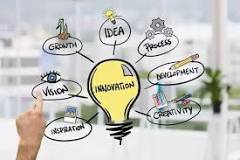
Innovation and Change: Shaping a Better Future
Innovation and change are closely linked. Innovation introduces new ideas, methods or ways of solving problems; change is the process of putting those ideas into practice and adapting to their effects. Together, they shape how we work, learn and live.
Why innovation matters
Innovation is not limited to new technology or major scientific discoveries. It can be as simple as improving a service, rethinking a routine or finding a more sustainable way to use resources. By questioning how things are done, individuals and organisations can uncover opportunities to make everyday life better.
In a changing world, innovation can help communities respond to new challenges. It may improve access to education and healthcare, make businesses more efficient or support efforts to protect the environment. The most valuable ideas are often those that solve real problems and benefit people in practical ways.
Making change work
Even a promising idea can be difficult to put into practice. People may be uncertain about what is changing, why it is happening or how it will affect them. Clear communication and meaningful involvement can help build understanding and trust.
Successful change also takes time. It may require new skills, appropriate resources and the willingness to learn from mistakes. Testing an idea on a small scale, listening to feedback and making improvements can help turn innovation into lasting progress.
People at the heart of progress
Technology and new processes can support change, but people are what make it meaningful. A culture that welcomes questions, encourages collaboration and values different perspectives can help good ideas take root. When people feel able to contribute, innovation is more likely to reflect the needs of those it is intended to serve.
It is also important to consider who benefits from change. Progress should be inclusive, accessible and responsible. Taking account of its social and environmental effects helps ensure that innovation creates value without overlooking potential risks.
Looking ahead
Innovation does not always mean making sweeping changes. Often, progress comes through small, thoughtful improvements made consistently over time. By staying curious, learning from experience and working together, we can approach change with confidence and care.
The future will bring challenges that cannot always be predicted. A willingness to adapt—and to develop ideas that meet people’s needs—can help individuals, organisations and communities respond constructively and create a better future.
Understanding Innovation and Change: Key Concepts and Examples
- What is an example of innovation and change?
- What are the 7 C’s of innovation?
- How change and innovation are connected?
- What is innovation and change in the workplace?
- What are the 4 C’s of innovation?
- What are the four main types of innovation?
What is an example of innovation and change?
An example of innovation and change is a local council introducing an online service for reporting problems such as potholes or broken streetlights. The innovation is the digital reporting tool; the change is how residents and council staff communicate and manage these requests. If it is easy to use and accessible to everyone, it can make reporting quicker, help the council prioritise repairs and improve local services.
What are the 7 C’s of innovation?
There is no single universally agreed list of the 7 Cs of innovation, but a useful framework is curiosity, creativity, critical thinking, collaboration, communication, courage and commitment. Curiosity helps identify opportunities; creativity and critical thinking generate and test ideas; collaboration and communication bring people together to develop them; courage supports experimentation and learning from failure; and commitment helps turn promising ideas into lasting change. Together, these qualities create an environment where innovation can thrive.
How change and innovation are connected?
Change and innovation are closely connected: innovation introduces new ideas, products or ways of working, while change is the process of adopting and adapting to them. Innovation can prompt change by challenging existing approaches, and change can create opportunities for further innovation. When people are supported to learn, share feedback and adjust, new ideas are more likely to become meaningful, lasting improvements.
What is innovation and change in the workplace?
Innovation and change in the workplace means introducing new ideas, tools, processes or ways of working, and adapting to the effects they bring. This might include adopting new technology, improving how a team collaborates or redesigning a service to better meet customers’ needs. Effective workplace change involves clear communication, support and opportunities for employees to develop the skills they need, helping organisations improve while ensuring staff feel informed and involved.
What are the 4 C’s of innovation?
The 4 C’s of innovation are commonly described as creativity, collaboration, communication and critical thinking. Creativity helps generate fresh ideas; collaboration brings together different skills and perspectives; communication makes it easier to share, develop and explain those ideas; and critical thinking helps assess what is practical, useful and responsible. The exact wording can vary between organisations, but these capabilities help people turn promising ideas into meaningful change.
What are the four main types of innovation?
The four main types of innovation are product, process, marketing and organisational innovation. Product innovation involves creating or improving goods and services; process innovation introduces better ways to produce or deliver them; marketing innovation changes how they are presented, priced or promoted; and organisational innovation involves new approaches to a business’s structure, workplace practices or partnerships. These types can overlap, and organisations often combine them to respond to changing needs and create value.