
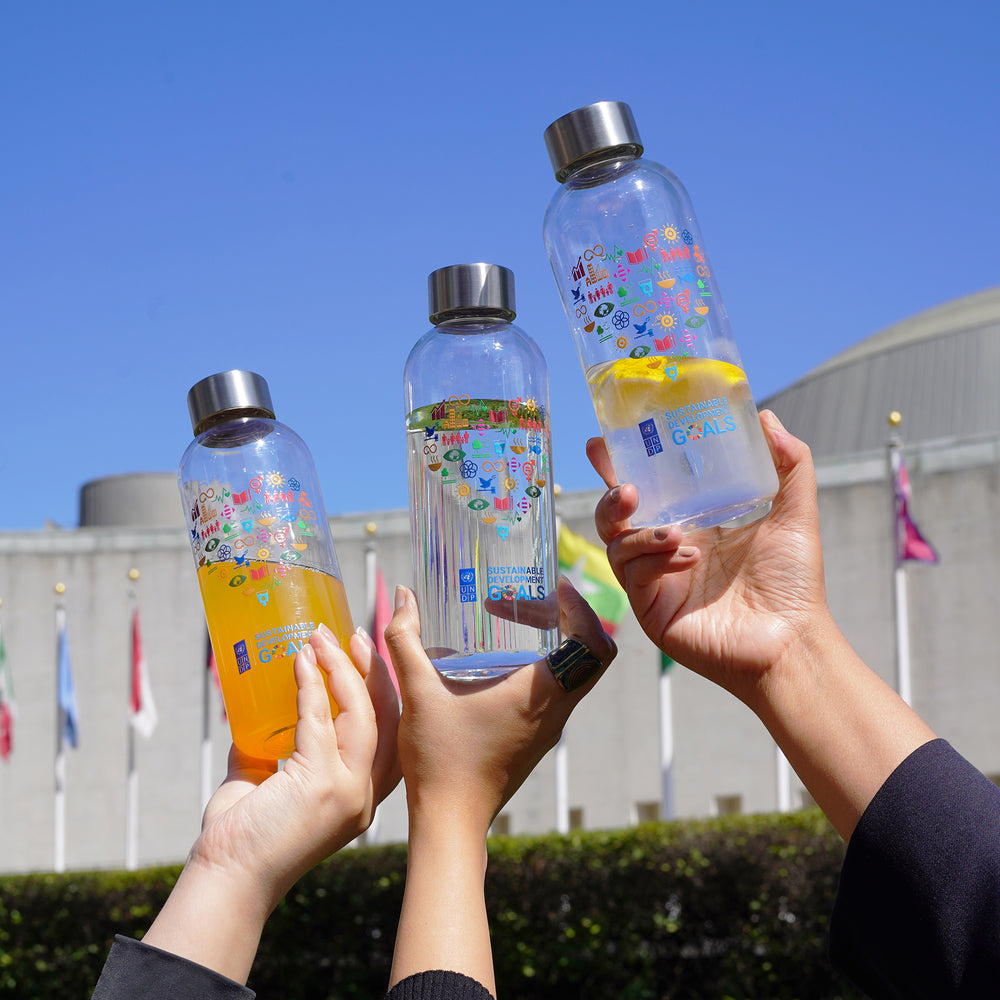
UNDP Goals: Supporting a More Sustainable and Inclusive World
The United Nations Development Programme (UNDP) works with countries to tackle poverty, inequality, climate change and other challenges to sustainable development. Its work is closely connected to the United Nations Sustainable Development Goals (SDGs), a shared global framework for improving people’s lives and protecting the planet.
What are the Sustainable Development Goals?
Adopted by all United Nations Member States in 2015, the 17 SDGs set out a vision for a fairer, healthier and more sustainable world by 2030. They apply to every country and recognise that issues such as poverty, health, education and environmental protection are interconnected.
- No Poverty
- Zero Hunger
- Good Health and Well-being
- Quality Education
- Gender Equality
- Clean Water and Sanitation
- Affordable and Clean Energy
- Decent Work and Economic Growth
- Industry, Innovation and Infrastructure
- Reduced Inequalities
- Sustainable Cities and Communities
- Responsible Consumption and Production
- Climate Action
- Life Below Water
- Life on Land
- Peace, Justice and Strong Institutions
- Partnerships for the Goals
How does UNDP contribute?
The goals belong to the international community as a whole; UNDP is one of the organisations helping countries make progress towards them. It works with governments, communities, civil society and other partners to turn global commitments into practical action suited to local needs.
UNDP’s work includes supporting efforts to reduce poverty, improve public services, strengthen democratic institutions and expand people’s opportunities. It also helps countries prepare for and recover from crises, build resilience to climate change, protect biodiversity and move towards more sustainable economies.
Why the goals are connected
Progress in one area can support progress in another. For example, access to quality education can improve employment prospects and help reduce poverty. Clean energy can support economic development while lowering greenhouse-gas emissions. Strong institutions and partnerships can help make these changes more effective and inclusive.
For this reason, the SDGs are designed to be considered together. Development that benefits one group while leaving others behind—or that damages the natural environment—cannot be sustained in the long term.
A shared effort
Achieving the SDGs requires action from governments, businesses, organisations and individuals. UNDP contributes by providing expertise, supporting policy development and helping partners put solutions into practice. The goals offer a common direction, while lasting progress depends on commitment and cooperation at every level.
8 Practical Tips for Supporting the UN Sustainable Development Goals
- Learn about the UN Sustainable Development Goals.
- Support local projects that reduce poverty.
- Choose reusable products to cut waste.
- Save energy and water at home.
- Treat everyone fairly and challenge discrimination.
- Buy from ethical, responsible businesses.
- Volunteer or donate to community initiatives.
- Share reliable information about sustainable development.
Learn about the UN Sustainable Development Goals.
Learn about the UN Sustainable Development Goals (SDGs), the 17 shared goals adopted by UN Member States in 2015 to help end poverty, reduce inequality, protect the planet and improve lives by 2030. Understanding how goals such as quality education, clean energy and climate action are connected can help you see where change is needed and how individuals, communities and organisations can contribute.
Support local projects that reduce poverty.
Supporting local projects that reduce poverty is a practical way to advance the UNDP goals and strengthen communities. Initiatives such as skills training, employment support, food programmes and affordable childcare can help people meet immediate needs while creating opportunities for the future. Consider volunteering, donating or partnering with a trusted local organisation, and find out how its work is making a difference. When communities help shape projects to suit local needs, support can be more inclusive, effective and lasting.
Choose reusable products to cut waste.
Choosing reusable products is a simple way to support the UNDP Goals, particularly responsible consumption and production (Goal 12). Carrying a reusable water bottle, coffee cup or shopping bag can reduce reliance on single-use items and help prevent waste from ending up in landfill or polluting the environment. Small, consistent choices add up—and choosing durable products that can be used again and again helps conserve resources for the future.
Save energy and water at home.
Saving energy and water at home is a simple way to support the UN Sustainable Development Goals, particularly those focused on clean energy, responsible consumption and climate action. Switch off lights and appliances when they are not in use, choose energy-efficient bulbs, and turn off the tap while brushing your teeth. Small changes in daily habits can reduce household bills, conserve valuable resources and help lessen the impact on the environment.
Treat everyone fairly and challenge discrimination.
Treating everyone fairly and challenging discrimination helps build the inclusive societies envisioned by the UN Sustainable Development Goals. Respect people’s rights and dignity, listen to voices that are often overlooked, and speak up when someone is treated unfairly because of who they are. By promoting equal opportunities and standing against prejudice in everyday life, we can help reduce inequality and ensure that no one is left behind.
Buy from ethical, responsible businesses.
Choosing to buy from ethical, responsible businesses can support progress towards the UN Sustainable Development Goals. Look for companies that treat workers fairly, use resources responsibly, reduce waste and are transparent about how their products are made. Your everyday purchases may seem small, but choosing more sustainable options can encourage better business practices and contribute to decent work, responsible consumption and climate action.
Volunteer or donate to community initiatives.
Volunteering with or donating to community initiatives is a practical way to support the UNDP Goals in your area. Local projects may help tackle poverty, improve access to education, protect the environment or strengthen community wellbeing. Offer your time, skills or resources to organisations whose work aligns with the causes you care about, and look for reputable initiatives that explain how contributions are used. Small acts of support can help build stronger partnerships and contribute to lasting, locally led change.
Share reliable information about sustainable development.
Sharing reliable information about sustainable development helps people understand the UNDP goals and make informed choices. Use trustworthy sources, such as UNDP and other recognised organisations, and check facts before sharing them. Clear, accurate information can challenge misconceptions, highlight practical ways to support the Sustainable Development Goals and encourage communities to take part in building a fairer, more sustainable future.