
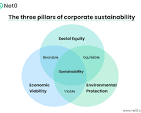
The Importance of Corporate Social Responsibility and Sustainability
Corporate social responsibility (CSR) and sustainability have become integral aspects of modern business practices. Companies are increasingly recognising the importance of not only maximising profits but also contributing positively to society and the environment.
Corporate Social Responsibility (CSR)
CSR involves businesses taking responsibility for their impact on society. This includes considering the interests of stakeholders such as customers, employees, communities, and the environment. Companies engage in CSR initiatives to demonstrate their commitment to ethical practices and social causes.
Benefits of CSR
Implementing CSR initiatives can lead to various benefits for companies, including:
- Enhanced reputation and brand image
- Improved employee morale and engagement
- Better relationships with customers and communities
- Long-term sustainability and resilience
Sustainability
Sustainability focuses on meeting the needs of the present without compromising the ability of future generations to meet their own needs. In a corporate context, sustainability involves managing resources efficiently, minimising waste, and reducing environmental impact.
Why Sustainability Matters
Businesses that embrace sustainability benefit from:
- Cost savings through energy efficiency and waste reduction
- Risk mitigation by addressing environmental challenges proactively
- Gaining a competitive edge in a market increasingly focused on sustainability
- Fulfilling societal expectations for responsible business practices
The Intersection of CSR and Sustainability
CSR and sustainability are closely linked concepts that reinforce each other. Companies that integrate CSR principles into their core business strategies often prioritise sustainable practices as part of their commitment to social and environmental responsibility.
Driving Positive Change
By incorporating CSR initiatives and sustainable practices into their operations, businesses can drive positive change at both local and global levels. From reducing carbon emissions to supporting community development projects, companies play a crucial role in creating a more sustainable future for all.
9 Essential Tips for Enhancing Corporate Social Responsibility and Sustainability in Your Organisation
- Define clear CSR and sustainability goals for your organisation.
- Engage with stakeholders to understand their expectations and concerns.
- Integrate CSR practices into your core business strategy.
- Measure and report on your CSR and sustainability performance regularly.
- Invest in employee training and awareness programmes on CSR initiatives.
- Reduce, reuse, recycle” – adopt sustainable practices in your operations.
- Support local communities through philanthropic activities.
- Promote diversity, equity, and inclusion within your organisation.
- Stay informed about current trends and best practices in CSR and sustainability.
Define clear CSR and sustainability goals for your organisation.
It is crucial for organisations to define clear corporate social responsibility (CSR) and sustainability goals to guide their actions towards positive impact. By establishing specific objectives related to ethical practices, community engagement, environmental stewardship, and resource efficiency, companies can align their strategies with values that promote long-term sustainability. Setting measurable targets for CSR and sustainability not only helps track progress but also fosters accountability and transparency in business operations, ultimately contributing to a more responsible and sustainable corporate culture.
Engage with stakeholders to understand their expectations and concerns.
Engaging with stakeholders to understand their expectations and concerns is a crucial aspect of corporate social responsibility and sustainability. By actively listening to the diverse perspectives of stakeholders, companies can gain valuable insights into the social, environmental, and ethical issues that matter most to their various groups. This engagement not only fosters transparency and trust but also enables businesses to align their practices with stakeholder expectations, leading to more meaningful and impactful CSR initiatives. Ultimately, by prioritising stakeholder engagement, companies can build stronger relationships, enhance their reputation, and drive positive change towards a more sustainable future.
Integrate CSR practices into your core business strategy.
By integrating corporate social responsibility (CSR) practices into your core business strategy, you demonstrate a commitment to ethical and sustainable business practices. This approach ensures that social and environmental considerations are embedded in every aspect of your operations, from decision-making processes to daily activities. By making CSR a fundamental part of your business strategy, you not only enhance your company’s reputation but also contribute to positive societal impact and long-term sustainability.
Measure and report on your CSR and sustainability performance regularly.
It is essential for companies to measure and report on their corporate social responsibility (CSR) and sustainability performance regularly. By tracking key metrics and indicators related to CSR initiatives and sustainable practices, businesses can assess their impact, identify areas for improvement, and demonstrate transparency to stakeholders. Regular reporting not only helps in monitoring progress towards environmental and social goals but also enhances accountability and credibility, reinforcing the company’s commitment to responsible business practices.
Invest in employee training and awareness programmes on CSR initiatives.
Investing in employee training and awareness programmes on corporate social responsibility (CSR) initiatives is a strategic move that can yield significant benefits for businesses. By educating employees about the company’s CSR goals and practices, organisations empower their workforce to actively participate in sustainability efforts and contribute to positive social impact. Through training, employees gain a deeper understanding of how their actions can align with CSR objectives, fostering a culture of responsibility and accountability within the company. This not only enhances employee engagement and satisfaction but also strengthens the overall commitment to sustainable practices, ultimately driving long-term success and positive change within the organisation.
Reduce, reuse, recycle” – adopt sustainable practices in your operations.
By embracing the principle of “reduce, reuse, recycle” in your operations, you can significantly contribute to corporate social responsibility and sustainability. Implementing sustainable practices such as reducing waste, reusing materials, and recycling resources not only minimises environmental impact but also promotes efficiency and cost-effectiveness. By adopting these practices, businesses demonstrate their commitment to ethical stewardship of the environment and play a vital role in creating a more sustainable future for generations to come.
Support local communities through philanthropic activities.
Supporting local communities through philanthropic activities is a powerful way for businesses to demonstrate their commitment to corporate social responsibility and sustainability. By investing in initiatives that benefit the community, companies can make a positive impact on society while fostering goodwill and trust among stakeholders. Philanthropic efforts, such as funding education programmes or supporting local charities, not only contribute to the well-being of those in need but also align with sustainable business practices that prioritise social welfare and environmental stewardship.
Promote diversity, equity, and inclusion within your organisation.
Promoting diversity, equity, and inclusion within your organisation is a fundamental aspect of corporate social responsibility and sustainability. By fostering a workplace culture that values and respects individuals from diverse backgrounds, companies can create a more inclusive environment where all employees feel empowered and supported. Embracing diversity not only enhances creativity and innovation but also contributes to a more equitable society. Prioritising equity and inclusion in the workplace demonstrates a commitment to social responsibility and sustainability by ensuring equal opportunities for all employees to thrive and succeed.
Stay informed about current trends and best practices in CSR and sustainability.
Staying informed about current trends and best practices in corporate social responsibility (CSR) and sustainability is crucial for businesses committed to making a positive impact. By keeping abreast of the latest developments in these areas, companies can adapt their strategies to align with evolving societal and environmental needs. This proactive approach not only ensures that organisations remain relevant and competitive but also enables them to implement innovative solutions that contribute to a more sustainable future. Embracing continuous learning and staying informed empowers businesses to enhance their CSR efforts and sustainability practices effectively.