
Green Hydrogen Production: How It Works and Why It Matters
Green hydrogen is hydrogen produced using renewable electricity, typically from wind or solar power, to split water into hydrogen and oxygen. Because the process can avoid the carbon emissions associated with conventional hydrogen production, it is attracting interest as a potential tool for reducing emissions in parts of the economy that are difficult to electrify directly.
How green hydrogen is produced
The main production method is electrolysis. An electrolyser uses electricity to drive a chemical reaction that separates water (H2O) into hydrogen (H2) and oxygen (O2). The hydrogen can then be compressed, stored or transported for use.
For the hydrogen to be considered green, the electricity used must come from renewable sources. In practice, the climate benefits depend on how that electricity is generated, as well as the energy and materials required to build and operate the equipment. Using additional renewable power can help ensure that electrolysis supports emissions reductions rather than competing with other electricity users.
Types of electrolyser
Several electrolyser technologies are in use or under development:
- Alkaline electrolysers are a well-established option, using a liquid alkaline solution to conduct ions between electrodes.
- Proton exchange membrane (PEM) electrolysers use a solid polymer membrane and can respond quickly to changes in electricity supply.
- Solid oxide electrolysers operate at high temperatures. They may be efficient where suitable heat is available, but they are less widely deployed commercially.
Each technology has different costs, operating requirements and materials needs. The most appropriate choice depends on factors such as the available power supply, project size and intended use of the hydrogen.
Where green hydrogen could be used
Hydrogen is not a direct replacement for electricity in every situation. Converting electricity into hydrogen and then using it usually involves energy losses, so direct electrification is often more efficient where it is practical. Green hydrogen may be particularly useful where alternatives are limited or technically challenging, including:
- producing ammonia and other industrial chemicals;
- providing feedstock or high-temperature heat for some industrial processes;
- supporting the production of lower-emission steel;
- storing energy over longer periods, depending on the system design; and
- producing hydrogen-based fuels for certain forms of shipping or aviation.
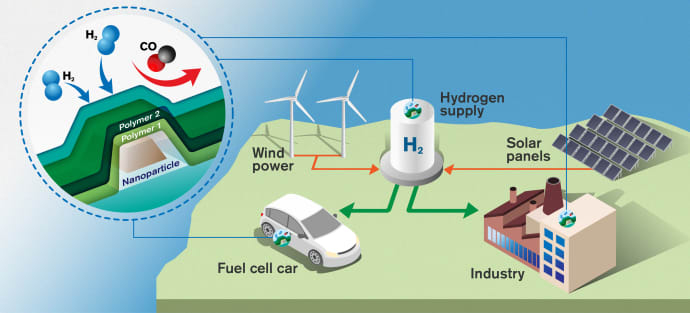
Hydrogen can also be used in fuel cells to generate electricity, producing water at the point of use. However, the overall environmental impact depends on how the hydrogen was made and how it was transported.
Benefits and challenges
Green hydrogen can help reduce emissions when it replaces hydrogen made from fossil fuels or is used in applications where direct use of renewable electricity is difficult. It can also connect renewable power generation with industrial demand and, in some cases, provide a way to store energy.
There are significant challenges. Electrolysers and renewable electricity require investment, and green hydrogen can be more expensive than hydrogen produced from fossil fuels, particularly where renewable power is costly or scarce. Production also requires water, while compression, storage and transport need additional energy and infrastructure. These factors make careful planning important, especially in areas facing water stress or constraints on electricity supply.
Hydrogen is highly flammable and has particular storage and handling requirements. New pipelines, storage facilities and safety systems may be needed, although some existing infrastructure may be adaptable following technical assessment.
Building a responsible hydrogen industry
Expanding green hydrogen production will require reliable supplies of renewable electricity, skilled workers, investment and clear standards for measuring emissions. Projects also need to consider their effects on local communities, water resources and the wider energy system.
Green hydrogen is not a single solution to climate change. Its greatest value is likely to come from using it selectively, where it can deliver emissions reductions that are difficult to achieve through efficiency measures or direct electrification. With thoughtful planning and continued technological development, it could become an important part of a broader transition to a lower-carbon economy.
Understanding Green Hydrogen: Key Questions on Production, Costs, and Challenges
- What is green hydrogen, and how is it produced?
- How does electrolysis produce hydrogen from water?
- What renewable energy sources can be used to make green hydrogen?
- What is the difference between green, blue and grey hydrogen?
- How much does green hydrogen production cost?
- What are the main challenges of producing green hydrogen at scale?
- How is green hydrogen stored, transported and used?
What is green hydrogen, and how is it produced?
Green hydrogen is hydrogen produced using renewable electricity, such as wind or solar power, rather than fossil fuels. It is usually made through electrolysis, a process in which an electrolyser uses electricity to split water into hydrogen and oxygen. The hydrogen can then be stored or used in industry, transport and energy systems. Its environmental benefits depend on the electricity coming from genuinely low-carbon sources and on how the hydrogen is stored and transported.
How does electrolysis produce hydrogen from water?
Electrolysis produces hydrogen by using an electric current to split water (H₂O) into hydrogen and oxygen. Inside an electrolyser, electricity drives the reaction at two electrodes: hydrogen forms at the cathode, while oxygen forms at the anode. When the electricity comes from renewable sources such as wind or solar power, the hydrogen produced is known as green hydrogen.
What renewable energy sources can be used to make green hydrogen?
Green hydrogen can be made using renewable electricity from sources such as wind, solar, hydropower and geothermal energy. This electricity powers an electrolyser, which splits water into hydrogen and oxygen. The renewable source can be connected directly to the electrolyser or supply electricity through the grid, although the hydrogen’s climate benefits depend on ensuring that the power used is genuinely renewable and does not increase reliance on fossil fuels elsewhere.
What is the difference between green, blue and grey hydrogen?
Green, blue and grey hydrogen are distinguished by how they are produced and the emissions involved. Green hydrogen is made by splitting water using renewable electricity, such as wind or solar power, and can have very low emissions when the electricity and supply chain are genuinely low-carbon. Grey hydrogen is typically produced from natural gas without capturing the resulting carbon dioxide, so it has significant emissions. Blue hydrogen is also made from fossil fuels, but carbon capture and storage is used to capture some of the carbon dioxide; its overall emissions depend on how much is captured and on emissions from gas extraction and processing.
How much does green hydrogen production cost?
The cost of green hydrogen varies widely, but production is often estimated at around £2–9 per kilogram, depending on the price of renewable electricity, the cost and efficiency of the electrolyser, financing and how often the equipment operates. This is a broad indicative range, not a fixed market price, and costs can be higher for early-stage projects. It usually covers production only: storage, transport, distribution and taxes may add considerably to the final cost.
What are the main challenges of producing green hydrogen at scale?
Producing green hydrogen at scale faces several challenges. It requires large amounts of renewable electricity, which must be affordable and available without diverting power from other uses. Electrolysers and supporting infrastructure—such as pipelines, storage facilities and refuelling networks—also need substantial investment and further development. Green hydrogen can remain more expensive than hydrogen made from fossil fuels, while production and conversion involve energy losses. Projects must also manage water demand, source the materials needed for equipment responsibly, and ensure safe handling and transport.
How is green hydrogen stored, transported and used?
Green hydrogen can be stored as a compressed gas in high-pressure tanks or, for larger quantities, in underground facilities such as salt caverns; it can also be cooled into a liquid, although this requires substantial energy. It is transported by tube trailers, ships or pipelines, depending on the distance and volume, and may be converted into carriers such as ammonia to make shipping easier. At its destination, hydrogen can be used as an industrial feedstock or fuel, converted into electricity in a fuel cell, or used to produce lower-carbon fuels. The most suitable option depends on the intended use, infrastructure and overall energy efficiency.