
The Benefits of Lean Six Sigma Certification
Lean Six Sigma is a methodology that combines the principles of Lean manufacturing and Six Sigma to improve efficiency, reduce waste, and enhance quality in processes. Obtaining a Lean Six Sigma certification can be a valuable asset for professionals seeking to advance their careers in various industries.
Key Benefits of Lean Six Sigma Certification:
- Enhanced Problem-Solving Skills: Lean Six Sigma training equips individuals with effective tools and techniques to identify issues, analyse data, and implement solutions that drive continuous improvement.
- Increased Efficiency: By eliminating waste and streamlining processes, organisations can achieve higher productivity levels and cost savings, leading to improved overall performance.
- Quality Improvement: Through the application of statistical methods and process controls, Lean Six Sigma helps in delivering products and services that meet or exceed customer expectations consistently.
- Career Advancement: Holding a Lean Six Sigma certification demonstrates expertise in process improvement and project management, making professionals more attractive to employers seeking individuals with these skills.
- Better Job Prospects: Many companies value employees with Lean Six Sigma knowledge due to its proven track record of driving operational excellence and bottom-line results.
In conclusion, pursuing a Lean Six Sigma certification can open doors to new opportunities and equip individuals with the tools needed to drive positive change within their organisations. Whether you are looking to enhance your problem-solving abilities or advance your career prospects, investing in Lean Six Sigma training can be a wise decision.
7 Essential Tips for Achieving Lean Six Sigma Certification Success
- Understand the principles of Lean Six Sigma before pursuing certification.
- Choose a reputable training provider for your Lean Six Sigma certification.
- Practice problem-solving and data analysis skills regularly to prepare for the certification exam.
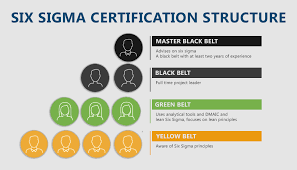
- Consider starting with Yellow Belt certification before advancing to Green Belt or Black Belt levels.
- Apply Lean Six Sigma concepts in real-life projects to gain practical experience.
- Stay updated on industry trends and best practices in Lean Six Sigma methodology.
- Network with other professionals who are certified in Lean Six Sigma for support and knowledge sharing.
Understand the principles of Lean Six Sigma before pursuing certification.
Before embarking on the journey to obtain a Lean Six Sigma certification, it is crucial to have a solid understanding of the principles that underpin this methodology. Familiarising oneself with the core concepts of Lean Six Sigma, such as waste reduction, process improvement, and data-driven decision-making, lays a strong foundation for successful certification pursuit. By grasping these fundamental principles beforehand, individuals can navigate the certification process more effectively and maximise the benefits of acquiring expertise in Lean Six Sigma methodologies.
Choose a reputable training provider for your Lean Six Sigma certification.
When pursuing Lean Six Sigma certification, it is crucial to select a reputable training provider to ensure the quality and credibility of your certification. A reputable training provider offers comprehensive courses taught by experienced professionals, providing you with the knowledge and skills needed to excel in process improvement and project management. By choosing a trusted provider, you can be confident that your Lean Six Sigma certification will be recognised and valued by employers, enhancing your career prospects and opening up new opportunities for professional growth.
Practice problem-solving and data analysis skills regularly to prepare for the certification exam.
To increase your chances of success in obtaining a Lean Six Sigma certification, it is essential to regularly practice problem-solving and data analysis skills. By dedicating time to honing these key competencies, you will not only be better prepared for the certification exam but also develop a deeper understanding of how to apply Lean Six Sigma principles in real-world scenarios. Consistent practice in problem-solving and data analysis will enhance your confidence and proficiency in tackling complex challenges, ultimately setting you up for success in your certification journey.
Consider starting with Yellow Belt certification before advancing to Green Belt or Black Belt levels.
When pursuing Lean Six Sigma certification, it is advisable to consider beginning with the Yellow Belt level before progressing to higher levels such as Green Belt or Black Belt. The Yellow Belt certification provides a solid foundation in the principles and concepts of Lean Six Sigma, making it an ideal starting point for individuals looking to understand the basics of process improvement methodologies. By mastering the fundamentals at the Yellow Belt level, candidates can build a strong knowledge base that will prepare them for more advanced roles and certifications in Lean Six Sigma.
Apply Lean Six Sigma concepts in real-life projects to gain practical experience.
To maximise the benefits of Lean Six Sigma certification, it is essential to apply the concepts learned in real-life projects. By actively implementing Lean Six Sigma principles in practical scenarios, individuals can gain valuable hands-on experience that deepens their understanding and hones their problem-solving skills. This practical application not only reinforces theoretical knowledge but also allows professionals to witness the tangible impact of Lean Six Sigma methodologies on process efficiency and quality improvement. Ultimately, engaging in real-life projects provides a platform for continuous learning and growth in the realm of process optimisation and organisational excellence.
Stay updated on industry trends and best practices in Lean Six Sigma methodology.
It is essential for individuals pursuing Lean Six Sigma certification to stay updated on industry trends and best practices within the methodology. By keeping abreast of the latest developments in Lean Six Sigma, professionals can enhance their knowledge and skills, ensuring they are equipped to implement cutting-edge strategies for process improvement. Continuous learning and staying informed about industry advancements not only demonstrate a commitment to professional growth but also enable individuals to remain competitive in a rapidly evolving business environment.
Network with other professionals who are certified in Lean Six Sigma for support and knowledge sharing.
Networking with other professionals who hold Lean Six Sigma certification can be a valuable strategy for gaining support and sharing knowledge. By connecting with individuals who have expertise in Lean Six Sigma methodologies, you can exchange insights, best practices, and practical tips that can enhance your own skills and understanding of process improvement. Building a network of like-minded professionals allows for collaboration, mentorship opportunities, and the exchange of ideas that can contribute to your professional growth and success in implementing Lean Six Sigma principles effectively.