
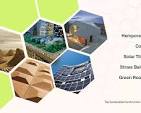
The Future of Construction: Embracing Sustainable Building Materials
In recent years, the construction industry has seen a significant shift towards sustainability, with a growing emphasis on using eco-friendly building materials. The choice of materials used in construction plays a crucial role in reducing the environmental impact of buildings and promoting a more sustainable future.
Benefits of Sustainable Building Materials
Sustainable building materials offer a range of benefits that go beyond environmental conservation. They are typically sourced from renewable or recycled materials, reducing the depletion of natural resources. Additionally, these materials often have lower carbon footprints and contribute to improved indoor air quality, creating healthier living and working environments.
Types of Sustainable Building Materials
There is a wide variety of sustainable building materials available on the market today, each offering unique advantages in terms of sustainability and performance. Some common examples include:
- Bamboo: Known for its rapid growth and renewability, bamboo is a versatile material that can be used for flooring, furniture, and structural elements.
- Recycled Steel: Using recycled steel in construction reduces energy consumption and greenhouse gas emissions associated with steel production.
- Rammed Earth: A traditional building technique that involves compacting earth to create durable walls with excellent thermal mass properties.
- Cork: Harvested from the bark of cork oak trees without harming the tree itself, cork is a sustainable material used for insulation and flooring.
- Straw Bales: An affordable and energy-efficient option for insulation, straw bales are often used in eco-friendly construction projects.
The Role of Sustainable Building Materials in Green Construction
Green construction practices aim to minimise the environmental impact of buildings throughout their lifecycle. By incorporating sustainable building materials into construction projects, builders can reduce waste generation, conserve energy, and promote resource efficiency. From reducing water consumption to improving energy efficiency, sustainable building materials play a crucial role in creating environmentally responsible structures.
The Future Outlook
As awareness of environmental issues continues to grow, the demand for sustainable building materials is expected to rise. Architects, builders, and developers are increasingly seeking innovative solutions that prioritise sustainability without compromising on quality or performance. Embracing sustainable building materials is not just an ethical choice – it is also a smart investment in a greener future for generations to come.
Exploring Sustainable Building Materials: Key Questions and Insights
- What are sustainable building materials?
- How do sustainable building materials contribute to environmental conservation?
- What are some examples of sustainable building materials?
- Are sustainable building materials cost-effective compared to traditional materials?
- How can I incorporate sustainable building materials into my construction project?
- What are the benefits of using sustainable building materials in terms of energy efficiency?
What are sustainable building materials?
Sustainable building materials are materials that are sourced, manufactured, and used in a way that minimises their environmental impact while promoting long-term ecological balance. These materials are typically renewable, recycled, or low-impact, aiming to reduce energy consumption, waste generation, and carbon emissions associated with construction. By choosing sustainable building materials, builders contribute to creating healthier and more environmentally friendly structures that align with principles of sustainability and responsible resource management.
How do sustainable building materials contribute to environmental conservation?
Sustainable building materials play a vital role in environmental conservation by reducing the ecological footprint of construction projects. By choosing materials that are sourced from renewable or recycled sources, builders can help conserve natural resources and minimise waste generation. Sustainable materials also often have lower carbon footprints, leading to reduced greenhouse gas emissions during production and transportation. Additionally, these materials promote energy efficiency and improve indoor air quality, creating healthier and more environmentally friendly buildings. Overall, the use of sustainable building materials is a key strategy in mitigating the environmental impact of construction activities and promoting long-term conservation of our planet’s resources.
What are some examples of sustainable building materials?
When considering sustainable building materials, there are several examples that stand out for their eco-friendly properties and benefits. Bamboo is a popular choice due to its rapid growth and renewability, making it a versatile material for various construction purposes. Recycled steel is another excellent option, as it helps reduce energy consumption and greenhouse gas emissions associated with steel production. Rammed earth is a traditional building material known for its durability and thermal mass properties, while cork, harvested without harming trees, serves as a sustainable option for insulation and flooring. Additionally, using straw bales as an affordable and energy-efficient insulation solution showcases the diverse range of sustainable building materials available for environmentally conscious construction projects.
Are sustainable building materials cost-effective compared to traditional materials?
When considering the cost-effectiveness of sustainable building materials compared to traditional materials, it is essential to look beyond the initial upfront costs. While sustainable materials may sometimes have a higher initial price tag, they often offer long-term savings through reduced energy consumption, lower maintenance requirements, and increased durability. Additionally, the environmental benefits of using sustainable materials can lead to potential savings in terms of regulatory compliance and operational efficiency. Ultimately, investing in sustainable building materials not only contributes to a more eco-friendly construction industry but can also prove to be financially advantageous in the long run.
How can I incorporate sustainable building materials into my construction project?
To incorporate sustainable building materials into your construction project, you can start by conducting research to identify environmentally friendly options that align with your project’s needs and goals. Consider working with architects and suppliers who specialise in sustainable materials to explore a range of choices, from recycled steel and bamboo to energy-efficient insulation and low-impact paints. Prioritise materials with certifications such as LEED or BREEAM to ensure they meet recognised sustainability standards. Additionally, aim to minimise waste by sourcing locally and reusing materials where possible. By carefully selecting sustainable building materials and integrating them thoughtfully into your construction process, you can contribute to a greener, more eco-conscious project that benefits both the environment and future occupants.
What are the benefits of using sustainable building materials in terms of energy efficiency?
When it comes to energy efficiency, using sustainable building materials offers a range of significant benefits. Sustainable materials such as recycled steel, bamboo, and rammed earth have properties that enhance insulation and thermal performance, reducing the need for excessive heating or cooling systems. By incorporating these materials into construction projects, buildings can better regulate indoor temperatures, leading to lower energy consumption and decreased reliance on artificial heating and cooling methods. This results in not only cost savings for building owners but also a reduced environmental impact through decreased greenhouse gas emissions associated with energy use. Sustainable building materials play a crucial role in improving energy efficiency in buildings and promoting a more sustainable built environment for the future.