
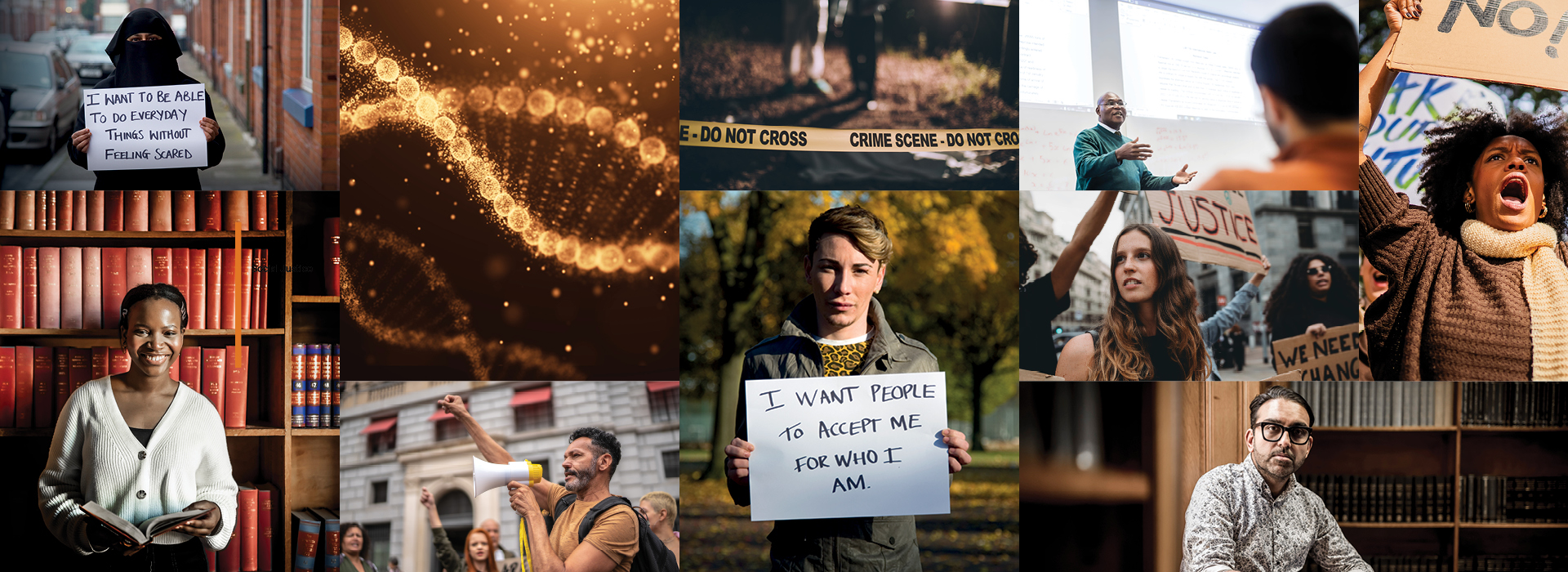
Social Justice Concerns: Building a Fairer Society
Social justice is the principle that everyone should have a fair chance to live with dignity, participate in society and reach their potential. It involves more than treating people equally in theory: it also means recognising and addressing the barriers that prevent some individuals and communities from enjoying the same opportunities as others.
Economic inequality and poverty
Income and wealth inequality can shape nearly every aspect of life, from housing and education to health and employment. People living on low incomes may face insecure work, rising living costs and limited access to essential services. Poverty is not simply a matter of individual circumstance; it can be influenced by wider conditions, including low wages, discrimination, inadequate social protection and a lack of affordable housing.
Addressing these challenges requires policies and services that help people meet their basic needs while supporting fair pay, secure employment and opportunities to improve their circumstances.
Discrimination and unequal treatment
Discrimination based on factors such as race, sex, disability, age, religion, sexual orientation or social background can restrict people’s choices and affect their safety, wellbeing and prospects. It may be direct, such as being treated unfairly because of who someone is, or less visible, arising from practices and systems that disadvantage particular groups.
Legal protections are important, but lasting progress also depends on challenging prejudice, listening to those affected and ensuring that institutions are accountable for fair treatment.
Access to education, healthcare and housing
Access to good-quality education, healthcare and secure housing is central to social justice. When these essentials are unevenly available, existing inequalities can deepen. A child’s opportunities, for example, should not be determined by their family’s income, location or access to support. Likewise, people should be able to obtain healthcare and live in safe, stable homes without facing unreasonable barriers.
Fair access does not always mean providing exactly the same support to everyone. Some people may need additional assistance to overcome barriers and achieve a comparable opportunity to participate.
Representation and participation
People are more likely to have their needs understood when they can influence the decisions that affect their lives. Yet some communities remain under-represented in leadership, public debate and decision-making. Meaningful participation involves more than inviting people to speak: it requires listening to their experiences, taking their views seriously and explaining how decisions are made.
Working towards change
Social justice concerns are complex and cannot be resolved by one action alone. Governments, employers, community organisations and individuals all have a role to play. Progress can include reviewing policies for unintended effects, improving access to services, tackling discrimination, supporting fair working conditions and involving affected communities in decision-making.
Change also begins with everyday choices: questioning assumptions, treating others with respect and learning from perspectives different from our own. A fairer society is built over time, through practical action and a shared commitment to ensuring that everyone can participate and thrive.
Six Essential Tips for Addressing Social Justice Concerns
- Listen to communities affected by injustice.
- Challenge discrimination when it is safe to do so.
- Use inclusive language and respect people’s identities.
- Support fair access to housing, healthcare and education.
- Check sources before sharing claims about marginalised groups.
- Back local organisations working for equality.
Listen to communities affected by injustice.
Listening to communities affected by injustice is essential to understanding both the problems they face and the changes that would make a meaningful difference. Rather than making assumptions or speaking on people’s behalf, take time to hear their experiences, respect their knowledge and include their perspectives in decisions. This helps ensure that solutions respond to real needs, build trust and give those most affected a genuine role in shaping a fairer society.
Challenge discrimination when it is safe to do so.
Challenge discrimination when it is safe to do so. A calm response—such as questioning an unfair remark, expressing support for the person affected or reporting the behaviour through an appropriate channel—can help make clear that discrimination is not acceptable. Consider your own safety and the wishes of the person targeted, and seek support from a trusted colleague, organisation or service if needed.
Use inclusive language and respect people’s identities.
Using inclusive language and respecting people’s identities helps create spaces where everyone feels recognised, valued and able to participate. Use the names and pronouns people ask you to use, avoid assumptions about someone’s background or experiences, and choose words that do not stereotype or exclude. If you make a mistake, acknowledge it, correct yourself and move on with respect. Small, thoughtful choices in everyday communication can help challenge prejudice and support a fairer, more welcoming society.
Support fair access to housing, healthcare and education.
Supporting fair access to housing, healthcare and education is essential to a more just society. Everyone should have the opportunity to live in a safe, secure home, receive the healthcare they need and benefit from a good-quality education, regardless of their income or background. Backing policies and community initiatives that reduce barriers to these services can help people thrive and prevent existing inequalities from deepening.
Check sources before sharing claims about marginalised groups.
Before sharing claims about marginalised groups, check that they come from reliable, up-to-date sources and are supported by evidence. Look beyond headlines, verify the original context and compare information with reputable reporting or research. Unverified claims can reinforce harmful stereotypes and contribute to discrimination, so pause before reposting—and correct the record if you discover that something you shared was inaccurate.
Back local organisations working for equality.
Supporting local organisations working for equality is a practical way to help create a fairer community. These groups often understand local needs and work directly with people facing discrimination or disadvantage. You could volunteer your time, donate if you are able, share their work or attend community events. Even small contributions can help strengthen their efforts and ensure that more voices are heard.