
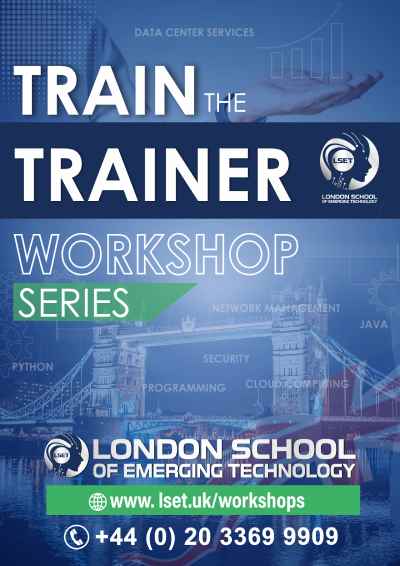
Workshops and Training: Learning Through Participation
Workshops and training sessions offer practical ways to build knowledge, develop skills and share ideas. Whether they take place in a community centre, workplace or online, they give participants the chance to learn together and put new ideas into practice.
What makes a workshop different?
A workshop is usually interactive. Rather than simply listening to a presentation, participants may take part in discussions, group activities, demonstrations or hands-on exercises. This makes workshops useful for exploring a topic, solving problems and learning from other people’s experiences.
Training often has a more focused aim: helping participants gain the skills or knowledge needed for a particular task. It might include instruction, practice and feedback. In many cases, a session combines both approaches, offering structured teaching alongside opportunities to participate.
Benefits of workshops and training
- Practical learning: Participants can try out techniques and apply ideas to real situations.
- Shared experience: Group activities encourage people to exchange perspectives and learn from one another.
- Greater confidence: Guided practice can help participants feel more prepared to use new skills.
- Focused development: A well-planned session can address a specific need, challenge or area of interest.
Making a session effective
Successful workshops and training sessions begin with a clear purpose. Organisers should consider what participants need to learn, who the session is for and how progress can be supported afterwards. Activities should suit the group, and instructions should be clear and accessible.
It is also important to allow time for questions, discussion and reflection. A short follow-up resource or opportunity to practise can help participants retain what they have learned and use it beyond the session.
Learning that continues
Workshops and training are most valuable when they form part of ongoing learning. A single session can introduce useful ideas, but continued practice and support help turn those ideas into lasting skills. With thoughtful planning and active participation, workshops and training can encourage growth, collaboration and positive change.
Workshops and Training: Frequently Asked Questions
- What is the difference between a workshop and a training session?
- What topics can workshops and training sessions cover?
- Who can take part in a workshop or training session?
- How long do workshops and training sessions usually last?
- Are workshops and training sessions available online?
- Do I need any prior experience to attend?
- Will I receive a certificate or other proof of attendance?
- How can I find and book a suitable workshop or training session?
What is the difference between a workshop and a training session?
A workshop is usually interactive, giving participants the chance to discuss ideas, work through activities and learn from one another. A training session is generally more structured and focused on developing specific knowledge or skills, often through instruction and guided practice. The terms can overlap, and many sessions combine both approaches: teaching practical skills while encouraging discussion and participation.
What topics can workshops and training sessions cover?
Workshops and training sessions can cover a wide range of topics, depending on participants’ interests and goals. Subjects may include practical skills, professional development, communication, leadership, digital tools, wellbeing, environmental awareness or community initiatives. Sessions can be tailored to different experience levels and needs, with a focus on sharing knowledge, practising new skills and exploring useful ideas together.
Who can take part in a workshop or training session?
Workshops and training sessions are often open to anyone interested in the topic, although some may be designed for a particular age group, experience level or profession. Check the session details for any prerequisites, accessibility information or booking requirements. If you’re unsure whether a session is suitable for you, contact the organiser before signing up.
How long do workshops and training sessions usually last?
Workshops and training sessions can last anywhere from an hour to several days, depending on the subject, format and learning objectives. Short sessions often cover a specific topic, while more in-depth training may be delivered across multiple sessions. Details about the duration and schedule are usually provided when you book.
Are workshops and training sessions available online?
Yes, workshops and training sessions may be available online, making it easier to take part from different locations. Depending on the topic, sessions can include live presentations, group discussions and practical activities. Check the details for each workshop to confirm its format, schedule and any equipment or materials you may need.
Do I need any prior experience to attend?
No prior experience is usually needed to attend our workshops and training sessions. They are designed to welcome people with different levels of knowledge, and facilitators will explain key ideas and provide guidance throughout. If a session does require specific experience or preparation, this will be clearly stated in its description.
Will I receive a certificate or other proof of attendance?
Whether you receive a certificate or other proof of attendance depends on the workshop or training programme. Please check the event details or contact the organiser before booking to confirm what is provided. If certificates are available, the organiser can also explain any attendance or participation requirements.
How can I find and book a suitable workshop or training session?
To find and book a suitable workshop or training session, start by identifying your goals, preferred dates, location and budget. Browse the provider’s website or contact them directly to check the course content, format, accessibility, prerequisites and availability. Read participant feedback where available, then follow the booking instructions online or ask the organiser for help. Before confirming, check the cancellation policy and whether you’ll need to bring or prepare anything.