
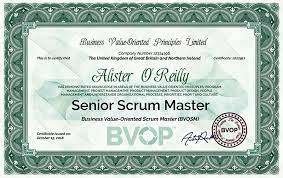
The Importance of Scrum Master Certification
In the dynamic world of project management, the role of a Scrum Master has become increasingly crucial in ensuring the success of agile projects. As organisations strive to adapt to changing market demands and deliver value to their customers efficiently, having a certified Scrum Master on board can make a significant difference.
What is Scrum Master Certification?
Scrum Master certification is a validation of an individual’s knowledge and skills in implementing Scrum practices within an organisation. It demonstrates proficiency in facilitating agile methodologies, promoting collaboration among team members, and removing obstacles that may hinder project progress.
The Benefits of Being Certified
Obtaining Scrum Master certification offers several benefits both to the individual and the organisation. For professionals, it enhances credibility, opens up career opportunities, and equips them with the tools needed to excel in agile project management. On the other hand, organisations benefit from improved project outcomes, increased productivity, and better alignment with business goals.
Driving Agile Success
A certified Scrum Master plays a pivotal role in driving agile success within teams by fostering a culture of collaboration, transparency, and continuous improvement. By guiding teams through the principles of Scrum and encouraging self-organisation, they help deliver high-quality products that meet customer expectations.
Conclusion
In conclusion, investing in Scrum Master certification is not just about acquiring a credential; it is about embracing a mindset that values adaptability, responsiveness, and efficiency in project delivery. Whether you are an aspiring project manager or looking to enhance your skills, becoming a certified Scrum Master can propel your career to new heights and contribute to the success of your organisation’s agile initiatives.
9 Essential Tips for Achieving Scrum Master Certification
- Understand the role and responsibilities of a Scrum Master
- Gain practical experience working in Agile environments
- Study the Scrum framework and its principles thoroughly
- Take up online courses or attend training workshops for certification preparation
- Practice facilitating Scrum ceremonies like daily stand-ups, sprint planning, etc.
- Learn about Agile tools and techniques commonly used in Scrum teams
- Stay updated with the latest trends and best practices in Agile and Scrum
- Collaborate with experienced Scrum Masters to learn from their insights
- Prepare well for the certification exam by taking mock tests and revising key concepts
Understand the role and responsibilities of a Scrum Master
It is essential for individuals pursuing Scrum Master certification to thoroughly understand the role and responsibilities associated with the position. A Scrum Master serves as a facilitator, coach, and servant leader within agile teams, responsible for ensuring adherence to Scrum principles, fostering collaboration, and removing obstacles that impede progress. By grasping the intricacies of this pivotal role, aspiring Scrum Masters can effectively guide their teams towards successful project outcomes and contribute significantly to the adoption of agile practices within their organisations.
Gain practical experience working in Agile environments
To maximise the benefits of Scrum Master certification, it is essential to gain practical experience working in Agile environments. Hands-on experience allows individuals to apply theoretical knowledge in real-world scenarios, understand the nuances of Agile practices, and develop effective strategies for overcoming challenges within agile projects. By immersing oneself in Agile teams and projects, aspiring Scrum Masters can hone their skills, build confidence in their abilities, and demonstrate their proficiency in facilitating successful agile methodologies.
Study the Scrum framework and its principles thoroughly
To maximise the benefits of Scrum Master certification, it is essential to dedicate time to studying the Scrum framework and its underlying principles thoroughly. Understanding the core concepts of Scrum, such as iterative development, self-organising teams, and continuous improvement, is key to effectively applying agile practices in project management. By immersing oneself in the principles of Scrum, aspiring Scrum Masters can build a strong foundation of knowledge that will guide their decision-making and leadership skills in fostering successful agile projects.
Take up online courses or attend training workshops for certification preparation
To enhance your preparation for Scrum Master certification, consider enrolling in online courses or participating in training workshops. These resources offer valuable insights, practical guidance, and interactive learning experiences to help you grasp the core concepts of Scrum methodology effectively. By dedicating time to online learning or attending workshops, you can deepen your understanding of agile practices, refine your skills in facilitating Scrum processes, and boost your confidence for the certification exam. Embracing these educational opportunities will not only enrich your knowledge but also increase your chances of success in becoming a certified Scrum Master.
Practice facilitating Scrum ceremonies like daily stand-ups, sprint planning, etc.
To excel in Scrum Master certification, it is essential to practice facilitating key Scrum ceremonies such as daily stand-ups, sprint planning, and retrospectives. By honing your skills in leading these meetings effectively, you can enhance team collaboration, communication, and productivity. Engaging actively in these ceremonies not only demonstrates your proficiency in agile practices but also helps you build confidence in guiding teams towards achieving their project goals. Continuous practice in facilitating Scrum ceremonies will not only prepare you for the certification exam but also equip you with the practical experience needed to succeed as a competent Scrum Master in real-world project environments.
Learn about Agile tools and techniques commonly used in Scrum teams
To excel in Scrum Master certification, it is essential to familiarise oneself with Agile tools and techniques frequently utilised in Scrum teams. Understanding these tools, such as Kanban boards, burndown charts, and user stories, can enhance the efficiency of project management processes and facilitate effective collaboration within the team. By mastering these Agile practices, a certified Scrum Master can streamline project workflows, improve communication among team members, and ultimately drive successful project outcomes in an agile environment.
Stay updated with the latest trends and best practices in Agile and Scrum
Staying updated with the latest trends and best practices in Agile and Scrum is essential for Scrum Master certification candidates. By keeping abreast of industry developments, emerging methodologies, and innovative approaches to project management, aspiring Scrum Masters can enhance their skills, adapt to evolving challenges, and effectively lead agile teams towards successful project outcomes. Continuous learning and staying current with industry standards not only demonstrate a commitment to professional growth but also ensure that certified Scrum Masters are well-equipped to navigate the complexities of modern project environments.
Collaborate with experienced Scrum Masters to learn from their insights
Collaborating with experienced Scrum Masters is a valuable tip for those seeking Scrum Master certification. By engaging with seasoned professionals in the field, individuals can gain invaluable insights, best practices, and real-world experiences that can enhance their understanding of agile methodologies and improve their skills as facilitators of Scrum practices. Learning from the expertise of others not only accelerates the learning process but also fosters a collaborative environment where knowledge sharing leads to continuous growth and development in the realm of agile project management.
Prepare well for the certification exam by taking mock tests and revising key concepts
To increase your chances of success in obtaining Scrum Master certification, it is essential to thoroughly prepare for the certification exam. One effective way to do this is by taking mock tests and revisiting key concepts regularly. Mock tests help simulate the exam environment, allowing you to assess your knowledge and identify areas that require further revision. By dedicating time to practising with mock tests and reinforcing key concepts, you can build confidence and ensure that you are well-equipped to demonstrate your understanding of Scrum principles during the certification exam.