
The Importance of Training Needs Assessment in Organisations
Training needs assessment is a crucial process that helps organisations identify the skills and knowledge gaps within their workforce. By conducting a thorough assessment, companies can determine the specific training requirements of their employees, which in turn leads to improved performance, increased productivity, and overall organisational success.
Benefits of Training Needs Assessment
Improved Performance: Identifying and addressing training needs ensures that employees have the necessary skills to perform their roles effectively, leading to enhanced job performance.
Increased Productivity: Targeted training programmes help employees work more efficiently, leading to higher productivity levels within the organisation.
Employee Satisfaction: Providing relevant training opportunities shows employees that their development is valued, leading to increased job satisfaction and employee retention.
The Process of Training Needs Assessment
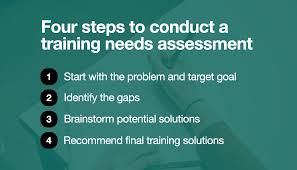
The first step in conducting a training needs assessment is to define the objectives of the assessment and identify the target audience. This involves understanding the current skill levels of employees and determining the desired outcomes of the training programme.
Next, data collection methods such as surveys, interviews, and performance evaluations are used to gather information about the specific training needs of employees. This data is then analysed to identify common themes and areas for improvement.
Implementing Training Programmes
Once the training needs have been identified, organisations can design and implement tailored training programmes that address these needs. These programmes may include workshops, seminars, online courses, or on-the-job training sessions.
Ongoing evaluation and feedback are essential to ensure that the training programmes are effective in meeting the identified needs. Adjustments can be made based on feedback from participants and supervisors to continuously improve the training process.
In Conclusion
Training needs assessment plays a vital role in enhancing employee skills, improving organisational performance, and fostering a culture of continuous learning within an organisation. By investing in targeted training initiatives based on identified needs, companies can empower their workforce to reach their full potential and achieve long-term success.
Essential FAQs on Training Needs Assessment: Understanding Methods, Steps, and Objectives
- What is the training need assessment?
- What is the training needs assessment?
- How do you conduct TNA?
- What are the 5 steps of training needs assessment?
- What are the 5 major components of a training needs assessment?
- What are three 3 types of training need assessment?
- What are the 4 types of needs assessment?
- What is the objective of TNA?
What is the training need assessment?
Training needs assessment is a systematic process used by organisations to identify the gaps in knowledge, skills, and abilities of their employees. It involves evaluating the current competencies of the workforce against the desired performance standards to determine where training interventions are required. By conducting a training needs assessment, companies can pinpoint areas for improvement and develop targeted training programmes that address these specific needs. This process helps ensure that employees receive the necessary training and development opportunities to enhance their performance and contribute effectively to the organisation’s success.
What is the training needs assessment?
Training needs assessment is a systematic process used by organisations to identify the knowledge and skills gaps within their workforce. It involves evaluating the current competencies of employees and determining the specific areas where additional training and development are required. By conducting a training needs assessment, companies can tailor their training programmes to address the identified gaps effectively, ultimately leading to improved employee performance, increased productivity, and overall organisational success.
How do you conduct TNA?
When conducting a Training Needs Assessment (TNA), the process typically involves several key steps. Firstly, it is important to define the objectives of the assessment and identify the target audience for the training. This helps in understanding the specific skills and knowledge gaps that need to be addressed. Data collection methods such as surveys, interviews, and performance evaluations are then used to gather information about the training needs of employees. This data is analysed to identify common themes and areas for improvement. Based on this analysis, tailored training programmes can be designed and implemented to address the identified needs effectively. Ongoing evaluation and feedback mechanisms are crucial to ensure that the training programmes remain relevant and impactful in meeting the identified needs of the workforce.
What are the 5 steps of training needs assessment?
In the process of conducting a training needs assessment, there are typically five key steps that organisations follow to identify and address the training requirements of their employees. The first step involves defining the objectives of the assessment and determining the target audience. This is followed by data collection through methods such as surveys, interviews, and performance evaluations to gather information on specific training needs. The third step entails analysing the collected data to identify common themes and areas for improvement. Subsequently, organisations design and implement tailored training programmes to address the identified needs. Finally, ongoing evaluation and feedback mechanisms are put in place to ensure the effectiveness of the training initiatives and make necessary adjustments for continuous improvement.
What are the 5 major components of a training needs assessment?
A training needs assessment typically consists of five major components that are essential for identifying and addressing the learning gaps within an organisation. These components include defining the objectives of the assessment, determining the target audience, collecting data through various methods such as surveys and interviews, analysing the gathered information to identify common training needs, and finally, designing and implementing tailored training programmes to address these identified needs. Each component plays a crucial role in ensuring that the training needs assessment process is thorough, effective, and results-oriented.
What are three 3 types of training need assessment?
When it comes to training needs assessment, there are three main types that organisations commonly utilise to identify and address the learning requirements of their employees. The first type is organisational needs assessment, which focuses on aligning training initiatives with the overall goals and objectives of the company. The second type is job/task analysis, where specific job roles and tasks are evaluated to determine the skills and knowledge necessary for optimal performance. Lastly, individual needs assessment looks at the unique learning requirements of each employee to tailor training programmes to their personal development goals. By incorporating these three types of assessments, organisations can create comprehensive training strategies that effectively enhance employee capabilities and contribute to organisational success.
What are the 4 types of needs assessment?
In the realm of training needs assessment, there are four main types of needs assessment that organisations commonly utilise to identify and address the developmental requirements of their employees. These include organisational needs assessment, job/task needs assessment, individual needs assessment, and demographic needs assessment. Organisational needs assessment focuses on the overall goals and objectives of the organisation, while job/task needs assessment looks at the specific skills and knowledge required for particular roles or tasks. Individual needs assessment considers the unique learning requirements of each employee, and demographic needs assessment takes into account factors such as age, experience, and background that may influence training needs. By employing a combination of these types of assessments, companies can tailor their training programmes effectively to enhance employee performance and contribute to organisational success.
What is the objective of TNA?
The primary objective of Training Needs Assessment (TNA) is to identify the specific skills and knowledge gaps within an organisation’s workforce. By conducting a TNA, companies aim to pinpoint areas where employees may require additional training or development to enhance their performance and productivity. The ultimate goal of TNA is to ensure that training programmes are tailored to meet the needs of employees effectively, leading to improved job satisfaction, increased efficiency, and overall organisational success.