
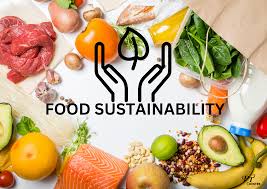
The Importance of Sustainable Food
With the increasing global population and the growing concern about environmental issues, the concept of sustainable food has gained significant importance in recent years. Sustainable food production and consumption practices aim to meet present needs without compromising the ability of future generations to meet their own needs.
Environmental Benefits
Sustainable food practices focus on reducing carbon footprint, minimising waste, conserving water resources, and promoting biodiversity. By choosing locally sourced produce, supporting organic farming methods, and reducing food miles, individuals can contribute to a healthier planet.
Social Impact
Sustainable food systems also address social issues such as fair wages for farmers, access to nutritious food for all communities, and supporting local economies. By prioritising ethical sourcing and fair trade practices, consumers can help create a more equitable food system.
Health Considerations
Consuming sustainably produced food can have positive impacts on personal health as well. Organic fruits and vegetables free from harmful pesticides, grass-fed meats rich in nutrients, and minimally processed foods are not only better for the environment but also for our bodies.
How You Can Make a Difference
There are several ways individuals can support sustainable food practices in their daily lives. This includes choosing seasonal and local produce, reducing meat consumption, avoiding single-use plastics in packaging, and supporting businesses that follow eco-friendly standards.
By making conscious choices about the food we eat, we can contribute to a more sustainable future for ourselves and generations to come. Embracing sustainable food practices is not only beneficial for the environment but also for our health and well-being.
Six Tips for a Sustainable Diet: From Local Shopping to Home Growing
- Buy locally produced food to reduce carbon footprint from transportation.
- Choose organic products to support environmentally friendly farming practices.
- Reduce meat consumption and opt for plant-based alternatives for a more sustainable diet.
- Avoid food waste by planning meals, storing food properly, and composting leftovers.
- Support sustainable fishing practices by choosing seafood that is responsibly sourced.
- Grow your own herbs, fruits, or vegetables at home to reduce reliance on store-bought produce.
Buy locally produced food to reduce carbon footprint from transportation.
By choosing to buy locally produced food, you can significantly reduce the carbon footprint associated with transportation. By supporting local farmers and producers, you not only help lower greenhouse gas emissions but also promote a more sustainable food system. Additionally, buying locally often means fresher and more nutritious produce, supporting the local economy, and fostering a stronger sense of community. Making the simple switch to purchasing locally sourced food is a powerful way to contribute to a greener and more environmentally friendly future.
Choose organic products to support environmentally friendly farming practices.
By choosing organic products, individuals can actively support environmentally friendly farming practices. Organic farming methods promote soil health, biodiversity, and natural pest control without relying on synthetic chemicals. By opting for organic produce, consumers contribute to a more sustainable food system that prioritises the well-being of the environment, farmers, and future generations.
Reduce meat consumption and opt for plant-based alternatives for a more sustainable diet.
Opting to reduce meat consumption and choosing plant-based alternatives is a simple yet impactful way to adopt a more sustainable diet. By incorporating more plant-based foods into our meals, we can help reduce the environmental footprint associated with meat production, including land use, water usage, and greenhouse gas emissions. Plant-based alternatives not only promote personal health but also contribute to a healthier planet by supporting more sustainable food choices. Making this shift in our diet can play a significant role in creating a more environmentally friendly and sustainable food system for the future.
Avoid food waste by planning meals, storing food properly, and composting leftovers.
To promote sustainable food practices, it is essential to avoid food waste by implementing effective strategies such as meal planning, proper food storage, and composting leftovers. By planning meals ahead of time, individuals can purchase only what is needed, reducing the likelihood of excess food being thrown away. Storing perishable items correctly helps extend their shelf life, minimising spoilage. Additionally, composting organic leftovers not only diverts waste from landfills but also creates nutrient-rich soil for gardening. These simple yet impactful actions play a crucial role in reducing environmental impact and promoting a more sustainable approach to food consumption.
Support sustainable fishing practices by choosing seafood that is responsibly sourced.
Supporting sustainable fishing practices by choosing seafood that is responsibly sourced is a crucial step towards promoting environmental conservation and preserving marine ecosystems. By opting for seafood that has been harvested using methods that minimise bycatch, protect endangered species, and maintain healthy fish populations, consumers can play a significant role in ensuring the long-term viability of our oceans. Making informed choices about the seafood we consume helps to support fisheries that prioritise sustainability and contribute to a more ethical and environmentally friendly food system.
Grow your own herbs, fruits, or vegetables at home to reduce reliance on store-bought produce.
By growing your own herbs, fruits, or vegetables at home, you can significantly reduce your reliance on store-bought produce and contribute to a more sustainable food system. Cultivating a small garden or even just a few pots on a windowsill allows you to enjoy fresh, organic produce while minimising the environmental impact of transportation and packaging. Additionally, homegrown foods are free from harmful chemicals often used in commercial farming, promoting both your health and the well-being of the planet.