
The Theory of Disruptive Innovation by Clayton Christensen
Clayton Christensen, a renowned professor at Harvard Business School, introduced the concept of disruptive innovation in his seminal work. Disruptive innovation is a theory that explains how new technologies and business models can disrupt existing markets and industries.
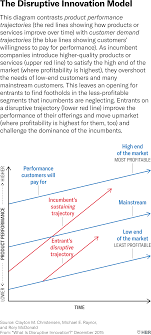
According to Christensen, disruptive innovations typically start by targeting underserved or overlooked segments of the market. These innovations may initially be inferior to existing products or services in terms of performance or features, but they offer other advantages such as affordability, accessibility, or simplicity.
As disruptive technologies improve over time, they gradually gain acceptance and traction in the market. This often leads to a shift in industry dynamics, with established companies struggling to adapt to the changing landscape. Christensen argues that incumbents often fail to respond effectively to disruptive threats because they are focused on serving their existing customer base and maintaining profitability.
One key aspect of disruptive innovation is its potential to create new markets or transform existing ones. By challenging traditional business models and introducing novel approaches, disruptive innovations have the power to reshape industries and drive economic growth.
Christensen’s theory has had a profound impact on how businesses approach innovation and strategic planning. It highlights the importance of being proactive in identifying emerging trends and embracing change rather than resisting it. By understanding the principles of disruptive innovation, companies can position themselves for long-term success in an ever-evolving marketplace.
Understanding Clayton Christensen’s Disruptive Innovation: Key Questions and Insights
- What is disruptive innovation according to Clayton Christensen?
- How does disruptive innovation differ from incremental innovation?
- What are some examples of disruptive innovations in recent years?
- Why do established companies often struggle to respond to disruptive threats?
- What impact has Clayton Christensen’s theory of disruptive innovation had on the business world?
- How can businesses identify potential disruptive opportunities in their industries?
- Is it possible for a company to both be a disruptor and defend against disruption at the same time?
- What are the key strategies that companies can employ to embrace and leverage disruptive innovation?
What is disruptive innovation according to Clayton Christensen?
Disruptive innovation, as defined by Clayton Christensen, is a concept that describes how new technologies or business models can disrupt established markets and industries. Christensen’s theory emphasises that disruptive innovations often start by targeting underserved or overlooked segments of the market, offering simpler, more affordable solutions that may initially be inferior in performance but gradually improve over time. This process can lead to a fundamental transformation in industry dynamics, challenging existing players to adapt to the changing landscape. By understanding disruptive innovation through Christensen’s lens, businesses can better anticipate and respond to shifts in their competitive environment, fostering a culture of innovation and adaptability for long-term success.
How does disruptive innovation differ from incremental innovation?
Disruptive innovation, as proposed by Clayton Christensen, differs from incremental innovation in its approach and impact on industries. While incremental innovation involves making gradual improvements to existing products or processes, disruptive innovation introduces entirely new ideas or technologies that can fundamentally change the competitive landscape. Incremental innovation focuses on refining and enhancing current offerings to meet customer needs better, whereas disruptive innovation often targets underserved markets with novel solutions that may initially seem inferior but eventually redefine industry standards. The key distinction lies in the scope and scale of change – incremental innovation seeks to build upon existing foundations, while disruptive innovation aims to disrupt traditional paradigms and create new opportunities for growth.
What are some examples of disruptive innovations in recent years?
In recent years, several examples of disruptive innovations have reshaped various industries and markets. One notable example is the rise of ride-sharing services like Uber and Lyft, which have transformed the transportation sector by offering convenient and affordable alternatives to traditional taxis. Another example is the emergence of streaming services such as Netflix, which have revolutionised the entertainment industry by providing on-demand access to a wide range of content. Additionally, advancements in renewable energy technologies, such as solar power and electric vehicles, are disrupting the energy and automotive sectors by offering sustainable alternatives to traditional fossil fuels. These examples demonstrate how disruptive innovations continue to drive change and create new opportunities in today’s dynamic business landscape.
Why do established companies often struggle to respond to disruptive threats?
Established companies often struggle to respond to disruptive threats due to their focus on serving existing customers and maintaining profitability within their current business models. Disruptive innovations typically target underserved market segments with products or services that may initially be inferior in performance but offer other advantages such as affordability or simplicity. As these disruptive technologies improve and gain acceptance, they pose a challenge to established companies that are entrenched in their ways of operating. The reluctance to embrace change, coupled with a fear of cannibalising existing revenue streams, can hinder established companies from effectively adapting to disruptive forces in the market. This mindset can lead to missed opportunities and leave incumbents vulnerable to being overtaken by more agile and innovative competitors who are quick to seize upon disruptive trends.
What impact has Clayton Christensen’s theory of disruptive innovation had on the business world?
Clayton Christensen’s theory of disruptive innovation has had a significant impact on the business world by reshaping how companies approach innovation and adapt to changing market dynamics. His concept has prompted businesses to recognise the importance of anticipating and responding to disruptive forces in their industries. By understanding the principles of disruptive innovation, companies have been encouraged to explore new opportunities, challenge traditional business models, and foster a culture of continuous improvement. Christensen’s theory has also highlighted the need for organisations to be agile, adaptable, and forward-thinking in order to stay competitive in an increasingly dynamic and unpredictable marketplace.
How can businesses identify potential disruptive opportunities in their industries?
To identify potential disruptive opportunities in their industries, businesses can start by closely monitoring emerging trends and technologies that have the potential to reshape the market landscape. It is crucial for companies to actively engage with customers and stakeholders to understand their evolving needs and preferences. Additionally, businesses should be open to exploring unconventional ideas and approaches that challenge existing norms. Conducting thorough market research, collaborating with industry experts, and fostering a culture of innovation within the organisation can also help businesses uncover disruptive opportunities that have the potential to drive long-term growth and success.
Is it possible for a company to both be a disruptor and defend against disruption at the same time?
In the realm of Clayton Christensen’s theory of disruptive innovation, the question of whether a company can simultaneously act as a disruptor and defend against disruption is a complex and intriguing one. While it may seem paradoxical for a company to play both roles, some argue that strategically balancing innovation with protection of existing market positions is not impossible. Companies that embrace a culture of continuous innovation, adaptability, and foresight may be able to proactively disrupt their own markets while also fortifying their defences against potential disruptive threats. By fostering an internal environment that encourages experimentation and agility, companies can potentially navigate the delicate balance between disruption and defence to secure long-term sustainability and growth in today’s dynamic business landscape.
What are the key strategies that companies can employ to embrace and leverage disruptive innovation?
To effectively embrace and leverage disruptive innovation, companies can adopt several key strategies. Firstly, it is essential for organisations to foster a culture of experimentation and risk-taking, encouraging employees to explore new ideas and approaches. Additionally, companies should invest in research and development to stay ahead of emerging trends and technologies that have the potential to disrupt their industry. Collaboration with startups and external partners can also provide valuable insights and access to innovative solutions. Furthermore, agile decision-making processes and a willingness to adapt quickly in response to market changes are crucial for successfully navigating disruptive forces. By prioritising continuous learning, adaptation, and a forward-thinking mindset, companies can position themselves to not only survive but thrive in an era of disruptive innovation.