
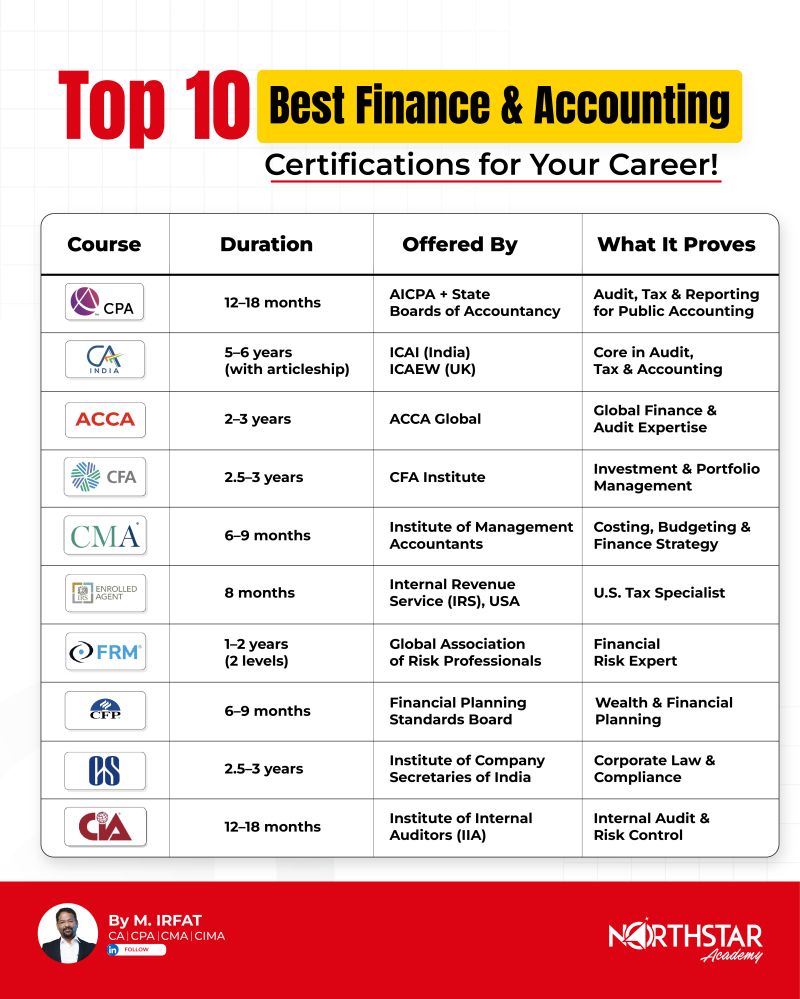
The Importance of Accounting Courses for Career Development
Accounting is a fundamental aspect of any business or organisation, playing a crucial role in financial management and decision-making. As such, pursuing accounting courses can be highly beneficial for individuals looking to enhance their career prospects and skills in the financial sector.
Developing Core Skills
Accounting courses provide students with a solid foundation in financial principles, including budgeting, auditing, taxation, and financial reporting. By acquiring these core skills, individuals can effectively analyse financial data, make informed decisions, and ensure compliance with regulatory requirements.
Increasing Job Opportunities
Professionals with accounting qualifications are in high demand across various industries. Completing accounting courses can open up a wide range of job opportunities, including roles such as accountants, auditors, financial analysts, and tax consultants. Employers often seek candidates with strong accounting knowledge and skills to manage their financial operations effectively.
Enhancing Career Progression
Furthering your education in accounting through specialised courses or certifications can significantly enhance your career progression. Advanced accounting qualifications demonstrate your expertise and dedication to the field, making you a valuable asset to potential employers and increasing your chances of securing senior-level positions.
Staying Updated with Industry Trends
The field of accounting is constantly evolving due to changes in regulations, technology advancements, and economic trends. Enrolling in accounting courses allows professionals to stay updated with the latest industry developments and best practices. Continuous learning ensures that individuals remain competitive in the job market and can adapt to changing business environments.
Building Professional Networks
Attending accounting courses provides opportunities to connect with industry experts, peers, and potential employers. Building a strong professional network can lead to valuable collaborations, mentorship opportunities, and career growth prospects. Networking within the accounting community can also offer insights into emerging trends and career pathways.
In conclusion, investing in accounting courses is a strategic decision for individuals seeking to advance their careers in finance and related fields. By acquiring essential skills, expanding job opportunities, enhancing career progression prospects, staying updated with industry trends, and building professional networks, professionals can position themselves for success in the dynamic world of accounting.
Unlocking Career Potential: The Top Benefits of Pursuing Accounting Courses
- 1. Develops essential financial skills like budgeting and financial analysis.
- 2. Increases job opportunities in diverse industries.
- 3. Enhances career progression with advanced qualifications.
- 4. Keeps professionals updated with evolving industry trends.
- 5. Builds a strong professional network for future collaborations.
- 6. Provides opportunities to specialise in areas such as auditing or taxation.
Challenges of Accounting Courses: Time, Complexity, Cost, Exam Stress, Limited Practical Experience, and Rapid Changes
- 1. Time-Consuming
- 2. Complexity
- 3. Costly
- 4. Exam Pressure
- 5. Limited Practical Experience
- 6. Rapid Changes
1. Develops essential financial skills like budgeting and financial analysis.
Accounting courses play a vital role in developing essential financial skills such as budgeting and financial analysis. By enrolling in these courses, individuals can acquire the knowledge and expertise needed to effectively manage budgets, analyse financial data, and make informed decisions regarding financial matters. Understanding the principles of budgeting allows professionals to allocate resources efficiently and plan for future financial needs, while honing skills in financial analysis enables them to interpret data accurately and identify key trends that impact business performance. Overall, the development of these critical financial skills through accounting courses equips individuals with the tools necessary to succeed in various roles within the finance industry.
2. Increases job opportunities in diverse industries.
Accounting courses offer a significant advantage by increasing job opportunities in diverse industries. With a strong foundation in financial principles and accounting skills, individuals can access a wide range of career paths across various sectors. From finance and banking to healthcare, retail, and technology, the demand for professionals with accounting qualifications is prevalent. By completing accounting courses, individuals can enhance their employability and pursue rewarding opportunities in different industries, showcasing the versatility and applicability of accounting knowledge in today’s competitive job market.
3. Enhances career progression with advanced qualifications.
Accounting courses offer a significant advantage by enhancing career progression through the attainment of advanced qualifications. By pursuing specialised accounting certifications or higher-level courses, individuals can showcase their expertise and dedication to the field. These advanced qualifications not only demonstrate a deep understanding of complex financial concepts but also position professionals as highly skilled candidates for senior-level roles within organisations. With advanced qualifications in accounting, individuals can accelerate their career growth, increase their earning potential, and access a wider range of opportunities for professional advancement in the competitive financial sector.
4. Keeps professionals updated with evolving industry trends.
Staying abreast of evolving industry trends is a key advantage of undertaking accounting courses. In today’s dynamic business landscape, regulations, technologies, and economic factors continuously shape the accounting profession. By enrolling in relevant courses, professionals can stay informed about the latest developments in the field, ensuring that their knowledge and skills remain current and aligned with industry best practices. This proactive approach not only enhances their expertise but also positions them as valuable assets to employers seeking professionals who can adapt to changing business environments effectively.
5. Builds a strong professional network for future collaborations.
Enrolling in accounting courses offers a valuable benefit of building a strong professional network for future collaborations. By connecting with industry experts, peers, and potential employers during these courses, individuals have the opportunity to establish meaningful relationships that can lead to collaborative projects, mentorship opportunities, and career advancement. Networking within the accounting community not only fosters professional growth but also provides insights into emerging trends and innovative practices, enhancing one’s ability to succeed in the dynamic field of finance.
6. Provides opportunities to specialise in areas such as auditing or taxation.
Accounting courses offer valuable opportunities for individuals to specialise in specific areas such as auditing or taxation. By focusing on these specialised fields, students can deepen their knowledge and expertise in key areas of accounting practice. Specialisation in auditing equips individuals with the skills to assess financial records for accuracy and compliance, ensuring transparency and integrity in financial reporting. On the other hand, specialising in taxation allows professionals to navigate complex tax laws, assist clients with tax planning strategies, and ensure compliance with tax regulations. These specialised skills not only enhance career prospects but also enable individuals to make a significant impact in their chosen field of accounting.
1. Time-Consuming
Accounting courses can be time-consuming, demanding a substantial investment of time for studying and completing assignments. The complexity of financial concepts and the need for accuracy in calculations mean that students must dedicate considerable hours to grasp the material effectively. Balancing coursework with other responsibilities can be challenging, leading to potential stress and time management issues for individuals pursuing accounting qualifications. The intensive nature of accounting courses underscores the importance of effective planning and prioritisation to succeed in mastering the subject matter while meeting academic requirements.
2. Complexity
The complexity of accounting courses poses a significant challenge for many individuals attempting to understand the intricate subject matter. The technical nature of accounting principles, financial regulations, and reporting standards can be daunting, especially for those without prior experience in the field. The intricacies of topics such as auditing, taxation, and financial analysis require a high level of attention to detail and analytical thinking, making it difficult for some students to grasp the concepts effectively. As a result, the complexity of accounting courses may deter individuals from pursuing a career in finance or hinder their academic progress in this demanding discipline.
3. Costly
Pursuing accounting courses, particularly advanced certifications, can present a significant financial challenge due to their high costs. From tuition fees to study materials and exam expenses, the overall investment required to complete these courses can be substantial. This financial burden may deter some individuals from pursuing further education in accounting, especially those facing financial constraints or seeking more affordable alternatives for skill development. The costly nature of accounting courses underscores the importance of considering the financial implications and exploring potential funding options before committing to such educational pursuits.
4. Exam Pressure
Students pursuing accounting courses may encounter the con of exam pressure, leading to stress and anxiety during exam preparation. The significance of accounting exams in determining course completion adds to the pressure, requiring students to demonstrate their understanding and proficiency in complex financial concepts within a limited timeframe. The fear of failing exams can be overwhelming for some students, impacting their mental well-being and overall learning experience. Managing exam pressure effectively is essential to ensure that students can perform to the best of their abilities and achieve success in their accounting studies.
5. Limited Practical Experience
Some accounting courses may present a drawback in the form of limited practical experience for students. While theoretical concepts are essential for understanding the fundamentals of accounting, an overemphasis on theory can sometimes overshadow the practical application of knowledge in real-world scenarios. This lack of hands-on experience may hinder students’ ability to effectively apply accounting principles in practical settings, potentially leading to challenges when transitioning from academic learning to professional practice. It is important for educational institutions offering accounting courses to strike a balance between theoretical instruction and practical training to ensure that students are well-equipped for the demands of the industry.
6. Rapid Changes
The rapid changes in the field of accounting present a significant challenge for professionals pursuing accounting courses. With frequent regulatory updates and technological advancements, individuals must continuously update their knowledge and skills to stay relevant and compliant. This constant need for learning and adaptation can be demanding, requiring a proactive approach to staying informed about industry changes and investing time and resources in ongoing education. Failure to keep pace with these rapid changes may hinder career progression and limit opportunities for growth within the dynamic landscape of accounting.