
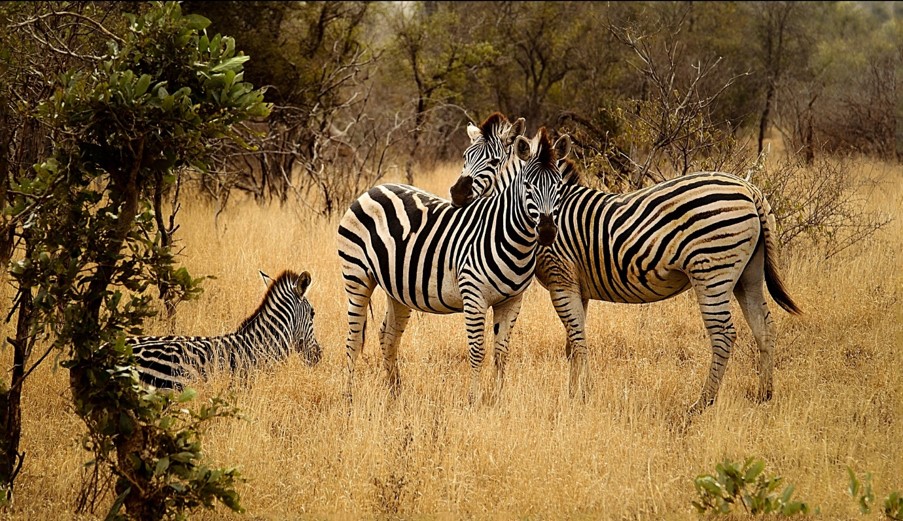
The Importance of Wildlife Conservation
Wildlife conservation is a crucial aspect of preserving our planet’s biodiversity and ensuring the survival of various species. The natural world is home to a diverse range of animals, plants, and ecosystems that all play a vital role in maintaining ecological balance.
One of the main reasons why wildlife conservation is essential is to protect endangered species from extinction. Human activities such as deforestation, poaching, and pollution have led to a significant decline in the populations of many animals around the world. By implementing conservation measures, we can help safeguard these species for future generations.
Furthermore, wildlife conservation contributes to the overall health of ecosystems. Each species has its place in the food chain and ecosystem functions. When one species disappears, it can have far-reaching effects on other organisms and the environment as a whole. By protecting wildlife habitats and promoting sustainable practices, we can ensure the resilience and stability of ecosystems.
Conserving wildlife also has benefits for humans. Many medicines, food sources, and materials are derived from plants and animals found in nature. By maintaining biodiversity through conservation efforts, we are preserving potential resources that may have important implications for human health and well-being.
Education and awareness play a significant role in wildlife conservation. By raising awareness about the importance of protecting wildlife and their habitats, we can inspire individuals to take action in their daily lives. Encouraging responsible tourism practices and supporting conservation organisations are just some ways that individuals can contribute to preserving wildlife.
In conclusion, wildlife conservation is not just about saving individual species; it is about safeguarding our planet’s rich diversity and ensuring a sustainable future for all life forms. Through collective efforts and a shared commitment to protecting nature, we can make a positive impact on the world around us.
Eight Essential Tips for Contributing to Wildlife Conservation Efforts
- Support conservation organisations financially or through volunteer work.
- Reduce, reuse, and recycle to minimise waste and protect wildlife habitats.
- Avoid single-use plastics that can harm wildlife when not disposed of properly.
- Respect wildlife by observing from a distance and not disturbing their natural behaviour.
- Plant native trees and plants in your garden to provide food and shelter for local wildlife.
- Educate yourself and others about the importance of biodiversity and ecosystems.
- Advocate for policies that protect endangered species and their habitats.
- Participate in clean-up efforts to remove litter from natural areas to prevent harm to wildlife.
Support conservation organisations financially or through volunteer work.
Supporting conservation organisations financially or through volunteer work is a powerful way to contribute to wildlife conservation efforts. By donating funds or offering your time and skills, you can directly support projects that protect endangered species, preserve habitats, and promote sustainable practices. Conservation organisations rely on the generosity and dedication of individuals to carry out their important work, and your support can make a significant impact in safeguarding biodiversity and ensuring the survival of wildlife for future generations. Get involved today and be a part of the collective effort to conserve our planet’s precious natural heritage.
Reduce, reuse, and recycle to minimise waste and protect wildlife habitats.
By following the principle of “reduce, reuse, and recycle,” individuals can play a significant role in wildlife conservation by minimising waste and protecting wildlife habitats. By reducing consumption and waste generation, we can decrease the demand for resources extracted from natural habitats. Reusing items whenever possible helps to extend their lifespan and reduces the need for new products, thereby lessening the environmental impact of manufacturing processes. Recycling materials conserves energy and resources while also reducing pollution levels that can harm wildlife populations and their habitats. Embracing these practices not only benefits the environment but also contributes to the preservation of biodiversity for future generations to enjoy.
Avoid single-use plastics that can harm wildlife when not disposed of properly.
Avoiding single-use plastics is a crucial step in wildlife conservation as these materials can pose a significant threat to animals when not disposed of properly. Items like plastic bags, straws, and bottles often end up in oceans and other natural habitats, where they can be ingested by wildlife or entangle them, leading to serious harm or even death. By reducing our use of single-use plastics and opting for more sustainable alternatives, we can help protect vulnerable species and preserve their natural environments for future generations.
Respect wildlife by observing from a distance and not disturbing their natural behaviour.
Respecting wildlife by observing from a distance and refraining from disturbing their natural behaviour is a fundamental principle of wildlife conservation. By maintaining a respectful distance, we allow animals to thrive in their natural habitats without causing unnecessary stress or disruption. This practice not only ensures the well-being of wildlife but also fosters a deeper appreciation for the beauty and complexity of the natural world. By showing respect and restraint in our interactions with wildlife, we can coexist harmoniously and protect these precious creatures for future generations to enjoy.
Plant native trees and plants in your garden to provide food and shelter for local wildlife.
Planting native trees and plants in your garden is a simple yet effective way to support wildlife conservation. By choosing species that are indigenous to your region, you can create a habitat that offers food sources and shelter for local wildlife. Native plants attract pollinators, birds, insects, and other animals, contributing to the biodiversity of your surroundings. Not only does this help sustain local ecosystems, but it also adds beauty and natural balance to your garden environment. Making conscious decisions about the vegetation in your garden can have a positive impact on the well-being of wildlife in your area.
Educate yourself and others about the importance of biodiversity and ecosystems.
It is crucial to educate yourself and others about the significance of biodiversity and ecosystems in wildlife conservation. Understanding the interconnectedness of different species and their habitats helps highlight the delicate balance that sustains life on our planet. By raising awareness about the importance of preserving biodiversity, we can inspire action towards protecting endangered species, conserving natural habitats, and promoting sustainable practices that benefit both wildlife and humans. Education is a powerful tool in fostering a sense of responsibility and stewardship towards our environment for present and future generations.
Advocate for policies that protect endangered species and their habitats.
Advocating for policies that protect endangered species and their habitats is a crucial step in wildlife conservation. By supporting legislation and initiatives that aim to preserve biodiversity and natural ecosystems, we can create a legal framework that safeguards vulnerable species from threats such as habitat destruction and poaching. These policies not only help in the recovery of endangered populations but also contribute to the overall health of ecosystems, promoting a harmonious balance between humans and nature. By actively advocating for such protective measures, we can make a tangible difference in ensuring the survival of precious wildlife for generations to come.
Participate in clean-up efforts to remove litter from natural areas to prevent harm to wildlife.
Participating in clean-up efforts to remove litter from natural areas is a simple yet impactful way to contribute to wildlife conservation. Litter can pose serious threats to wildlife, as animals may ingest or become entangled in discarded items, leading to injury or even death. By taking the time to clean up natural spaces, we can help create safer environments for wildlife to thrive and reduce the negative impact of pollution on ecosystems. Your actions in cleaning up litter not only benefit the local wildlife but also demonstrate a commitment to preserving the beauty and health of our natural world for future generations.