
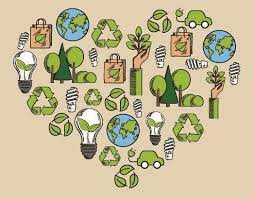
The Rise of Eco-Conscious Living: A Path to a Sustainable Future
In today’s world, the concept of being eco-conscious has gained significant traction as individuals and communities recognise the urgent need to protect our planet. Being eco-conscious goes beyond just recycling or reducing plastic use; it encompasses a holistic approach to living that considers the environmental impact of our daily choices.
One of the key aspects of eco-conscious living is adopting sustainable practices in various aspects of our lives. This includes making informed decisions about the products we consume, opting for items that are ethically sourced, locally produced, and have minimal environmental footprint. By supporting eco-friendly businesses and products, we contribute to a more sustainable economy and reduce our carbon footprint.
Another crucial element of being eco-conscious is minimising waste generation. This can be achieved through practices such as composting organic waste, reusing items whenever possible, and choosing products with minimal packaging. By embracing a zero-waste lifestyle, we not only reduce the amount of waste sent to landfills but also conserve valuable resources.
Eco-conscious living also involves being mindful of energy consumption and reducing our reliance on fossil fuels. Simple actions such as using energy-efficient appliances, turning off lights when not in use, and opting for public transport or cycling instead of driving can significantly lower our carbon emissions and help combat climate change.
Furthermore, being eco-conscious extends to advocating for environmental conservation and supporting initiatives that protect biodiversity and natural habitats. Whether through volunteering for conservation projects, participating in clean-up activities, or raising awareness about pressing environmental issues, individuals can play a vital role in preserving our planet for future generations.
Ultimately, embracing an eco-conscious lifestyle is not just about individual actions; it is about fostering a collective mindset that prioritises sustainability and environmental stewardship. By making conscious choices that benefit both the planet and its inhabitants, we pave the way towards a greener, healthier future for all.
Five Essential Tips for Embracing Eco-Conscious Living in the UK
- Reduce, reuse, and recycle to minimise waste
- Switch to energy-efficient appliances and light bulbs
- Use public transport, carpool, or cycle instead of driving alone
- Support local and sustainable products to reduce carbon footprint
- Conserve water by fixing leaks and taking shorter showers
Reduce, reuse, and recycle to minimise waste
Reducing, reusing, and recycling are fundamental principles of eco-conscious living that can significantly minimise waste generation and promote sustainability. By reducing our consumption, reusing items whenever possible, and recycling materials to give them a new life, we not only lessen the burden on landfills but also conserve valuable resources and reduce our environmental impact. Embracing these practices empowers individuals to make a positive difference in protecting the planet for future generations.
Switch to energy-efficient appliances and light bulbs
Switching to energy-efficient appliances and light bulbs is a simple yet effective way to embrace eco-conscious living. By opting for appliances with high energy ratings and LED bulbs, we can significantly reduce our electricity consumption and lower our carbon footprint. Not only do these choices save energy and money in the long run, but they also contribute to mitigating climate change by decreasing greenhouse gas emissions. Making the switch to energy-efficient options is a practical step towards creating a more sustainable and environmentally friendly home environment.
Use public transport, carpool, or cycle instead of driving alone
Opting for public transport, carpooling, or cycling instead of driving alone is a simple yet effective way to reduce carbon emissions and promote eco-conscious living. By sharing rides or choosing alternative modes of transportation, individuals can lower their environmental impact, alleviate traffic congestion, and contribute to cleaner air quality in their communities. Making the switch to more sustainable travel options not only helps combat climate change but also encourages a shift towards a greener and more sustainable future for all.
Support local and sustainable products to reduce carbon footprint
By supporting local and sustainable products, individuals can make a significant impact in reducing their carbon footprint. Choosing goods that are produced closer to home not only helps to support local economies but also cuts down on the emissions generated from long-distance transportation. Additionally, opting for sustainable products that are produced using eco-friendly practices further contributes to a more environmentally conscious lifestyle, promoting a healthier planet for current and future generations.
Conserve water by fixing leaks and taking shorter showers
Conserving water is a fundamental aspect of being eco-conscious, and simple actions like fixing leaks and taking shorter showers can make a significant impact. By promptly repairing any leaks in our plumbing systems, we not only prevent water wastage but also reduce our overall consumption. Additionally, opting for shorter showers helps to conserve water resources and minimise energy usage for heating water. These small yet mindful changes not only contribute to environmental sustainability but also foster a more responsible approach to water usage in our daily lives.