
Service Innovation: Creating Better Experiences and Lasting Value
Service innovation is the process of improving or creating services to better meet people’s needs. It can involve introducing a new service, rethinking how an existing one is delivered, or making the experience simpler, more accessible and more useful. In a world where expectations continue to change, service innovation helps organisations stay relevant while delivering meaningful value to customers, employees and communities.
What does service innovation involve?
Innovation in services is not limited to technology. A new app or online platform may be part of the picture, but improvements can also come from changing a process, redesigning a customer journey, training staff in new ways or working with partners to offer something that was previously unavailable.
For example, a GP practice might introduce online appointment booking to make access more convenient. A bank could redesign its support service so customers can move smoothly between telephone, webchat and in-person help. A local council might bring several services together in one place, reducing the number of steps residents need to take.
Why service innovation matters
People judge a service by more than its final outcome. They also notice how easy it is to use, how quickly it responds and whether they feel listened to along the way. Thoughtful innovation can improve these experiences and make services more inclusive and reliable.
- Better customer experiences: Clearer processes and more responsive support can reduce frustration and build trust.
- Greater accessibility: Services designed around different needs can be easier for more people to use.
- More effective operations: Removing unnecessary steps can help staff focus on work that adds the most value.
- Stronger resilience: Flexible services are better placed to adapt when needs, technology or circumstances change.
Start with people’s needs
Successful service innovation begins with understanding the people who use and deliver a service. Organisations can learn from customer feedback, staff experience, complaints, research and observation. Looking at the whole journey—from discovering a service to getting help afterwards—can reveal difficulties that are easy to miss when each stage is considered separately.
It is also important to include people whose experiences are often overlooked. A service that works well for one group may create barriers for another. Consulting a diverse range of users helps organisations identify those barriers early and design more equitable solutions.
Test, learn and improve
Rather than investing heavily in an untested idea, organisations can develop a small-scale version and learn from how people use it. A pilot, prototype or trial can help answer practical questions: Is the service understandable? Does it solve the intended problem? Can staff deliver it consistently? What needs to change before it is expanded?
Evaluation should consider both outcomes and experience. Measures might include waiting times, completion rates, customer satisfaction, accessibility and staff workload. Combining data with conversations and observations gives a fuller picture of what is working and why.
Common challenges
Service innovation can be difficult when organisations face limited budgets, complex regulations or systems that do not work well together. New technology may also create problems if it is introduced without considering staff training, accessibility or the needs of people who cannot use digital channels.
Another challenge is treating innovation as a one-off project. Services change as people’s needs and expectations evolve, so improvement requires ongoing attention. Leaders can support this by giving teams time to test ideas, share learning and raise concerns without fear of blame.
The role of technology
Digital tools can make services faster and more convenient, but technology should support a clear purpose rather than become the purpose itself. Automation, artificial intelligence and data analysis may help organisations handle routine tasks or tailor support. However, services still need appropriate human assistance, strong privacy safeguards and clear explanations of how decisions are made.
Offering a digital option should not automatically mean removing other ways to access help. A well-designed service provides suitable routes for different circumstances and makes it straightforward to move between them.
Building a culture of innovation
Service innovation is most effective when it is part of everyday work. Staff often understand practical problems first-hand, so involving them in designing and testing improvements can lead to more workable solutions. Partnerships with customers, community organisations, suppliers and other service providers can also bring valuable perspectives.
Ultimately, service innovation is about making services more useful, accessible and responsive. By listening carefully, testing ideas and learning continuously, organisations can improve the experiences they provide and create value that lasts.
Exploring Service Innovation: Types, Examples, and Key Concepts
- What are the four types of innovation?
- What is meant by service innovation?
- Is Netflix a service innovation?
- What are the 4 types of innovation?
- What are the types of service innovation?
- What are some examples of service innovation?
- What is service innovation examples?
What are the four types of innovation?
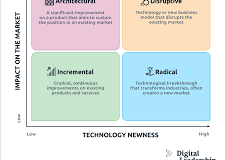
The four commonly recognised types of innovation are product, process, marketing and organisational innovation. In service organisations, product innovation means introducing or significantly improving a service; process innovation changes how it is designed or delivered; marketing innovation introduces new ways to promote, price or present it; and organisational innovation changes how the organisation works or collaborates. These types can overlap, and a single service improvement may involve several at once.
What is meant by service innovation?
Service innovation means creating a new service or significantly improving an existing one to better meet people’s needs and deliver greater value. It may involve changes to how a service is designed, provided or supported, including new processes, technologies, staff practices or ways of engaging with customers. The aim is to make services more useful, accessible, efficient or enjoyable.
Is Netflix a service innovation?
Yes, Netflix is widely regarded as an example of service innovation. It transformed how people watch films and television by moving from DVD rentals by post to on-demand streaming, making entertainment accessible across a range of devices. Its subscription model, personalised recommendations and investment in original programmes further reshaped the viewing experience and influenced the wider entertainment industry. Netflix’s evolution shows that service innovation can involve not only new technology, but also changes to how a service is delivered, paid for and tailored to users.
What are the 4 types of innovation?
The four commonly recognised types of innovation are product, process, marketing and organisational innovation. In service settings, product innovation means introducing or improving a service; process innovation changes how it is designed or delivered; marketing innovation uses new approaches to promote, price or present it; and organisational innovation changes the way people, teams or partnerships are arranged to support the service. These types can overlap—for example, launching a new digital service may involve changes to the service itself, its delivery process and the organisation’s ways of working.
What are the types of service innovation?
Service innovation can take several forms. It may involve introducing a completely new service, improving an existing service, or changing how it is delivered—for example, by offering digital or self-service options alongside face-to-face support. Other types include process innovation, which makes service delivery more efficient; customer-experience innovation, which makes interactions simpler and more personalised; and business-model innovation, which changes how a service is organised, accessed or paid for. In practice, these types often overlap, with the best innovations combining new ideas, better processes and a clearer focus on people’s needs.
What are some examples of service innovation?
Examples of service innovation include introducing online appointment booking, offering live chat alongside telephone support, using mobile apps to track deliveries, and combining several services into a single customer portal. Organisations can also innovate by redesigning processes to reduce waiting times, providing personalised recommendations, or offering flexible subscription and pay-as-you-go options. The key is that the change makes a service more useful, accessible, efficient or satisfying for the people who use it.
What is service innovation examples?
Service innovation means introducing a new or improved way of delivering a service to make it more useful, accessible or efficient. Examples include a bank offering secure video appointments, a GP practice enabling patients to book appointments online, a retailer providing click-and-collect, or a council bringing several services together through a single website. It can also involve non-digital changes, such as redesigning a process to reduce waiting times or training staff to provide more personalised support.