
Sustainable Development Goal 3: Good Health and Well-being
Good health is essential to people’s ability to learn, work and take part in their communities. Yet access to healthcare and the conditions needed to live a healthy life remain deeply unequal around the world. Sustainable Development Goal 3 (SDG 3), part of the United Nations’ 2030 Agenda for Sustainable Development, aims to “ensure healthy lives and promote well-being for all at all ages”.
What does SDG 3 cover?
SDG 3 is broader than treating illness. It combines access to quality healthcare with prevention, mental health, safer communities and action on public health risks. Its targets include reducing maternal and newborn deaths, ending epidemics such as AIDS, tuberculosis and malaria, and tackling non-communicable diseases such as heart disease, cancer and diabetes.
The goal also calls for stronger efforts to prevent and treat substance misuse, reduce deaths and injuries from road traffic accidents, and ensure access to sexual and reproductive healthcare. It recognises that universal health coverage is vital: people should be able to access the health services they need without being pushed into financial hardship.
Other targets address the wider foundations of health. These include reducing deaths and illnesses caused by pollution and hazardous chemicals, improving access to affordable medicines and vaccines, and strengthening health systems and emergency preparedness. SDG 3 also highlights the importance of research, health financing and a capable, supported health workforce.
Why progress matters
Health affects every part of life, but its benefits extend beyond individuals. When people can access effective prevention and treatment, families are better protected from avoidable hardship, children have more opportunity to thrive, and communities are more resilient. Strong health systems also help countries respond to outbreaks, natural disasters and other emergencies.
Progress towards SDG 3 depends on more than hospitals and clinics. Clean air and water, nutritious food, safe housing, education, decent work and supportive social relationships all influence health. This means that improving well-being requires action across many areas of society, as well as cooperation between governments, health services, researchers, businesses and communities.
Challenges and inequalities
Despite significant advances in medicine and public health, many people still cannot obtain timely, affordable care. Barriers may include poverty, distance, discrimination, conflict, shortages of trained health workers or a lack of essential medicines. These obstacles often affect people already facing disadvantage, including women and girls, people with disabilities, displaced populations and those living in remote or underserved areas.
Countries also face a changing mix of health risks. Infectious diseases remain a serious concern, while non-communicable diseases and mental health conditions affect millions of people. Pollution, climate change, antimicrobial resistance and the risk of future pandemics add further pressure. These challenges are connected: for example, extreme heat and poor air quality can worsen existing health conditions, while weak health systems may struggle to respond to emergencies.
How can SDG 3 be advanced?
Governments can make progress by investing in accessible primary healthcare, prevention and public health services. They can strengthen maternal and child healthcare, support vaccination programmes, improve mental health services and make essential medicines more affordable. Collecting reliable, disaggregated data is also important: it helps reveal who is being left behind and whether policies are working for different communities.
Health professionals and organisations can contribute by sharing evidence, providing respectful and inclusive care, and supporting local health initiatives. Businesses can help by protecting workers’ health, reducing pollution and ensuring that products and services do not create avoidable harm. Individuals can support their own well-being and that of others through informed choices, community involvement and advocacy for fair access to care. Responsibility, however, should not rest on individuals alone; lasting progress requires effective services and supportive policies.
A shared commitment
SDG 3 sets out an ambitious vision: that everyone, at every stage of life, should have the opportunity to live a healthy life and enjoy well-being. Achieving it calls for sustained investment, cooperation and attention to inequality. As the 2030 deadline approaches, progress will depend on turning that commitment into practical action—so that quality healthcare and the conditions for good health are within everyone’s reach.
Exploring Sustainable Development Goal 3: Innovations, Objectives, and UK Implementation
- What are the innovations in SDG 3?
- What is goal 3 of the SDGs?
- What are the sustainable development goals 3 4 and 5?
- What is the SDG 3 in the UK?
What are the innovations in SDG 3?
Innovations supporting Sustainable Development Goal 3 include telemedicine and mobile health tools, which can help people access advice and services in remote or underserved areas; artificial intelligence and data systems that support diagnosis, disease monitoring and health planning; and new vaccines, treatments and diagnostic technologies. Community-based care, digital health records and low-cost medical devices can also strengthen health services, while innovations in mental health support and assistive technology can improve well-being and inclusion. To make a lasting difference, these solutions need to be safe, affordable, accessible and designed to benefit everyone—not only people with reliable internet access or greater resources.
What is goal 3 of the SDGs?
Sustainable Development Goal 3 (SDG 3) is “Good Health and Well-being”. It aims to ensure healthy lives and promote well-being for everyone, at every age. Its targets include reducing deaths among mothers and children, tackling infectious and non-communicable diseases, improving mental health, preventing substance misuse and road traffic injuries, and achieving universal access to quality, affordable healthcare.
What are the sustainable development goals 3 4 and 5?
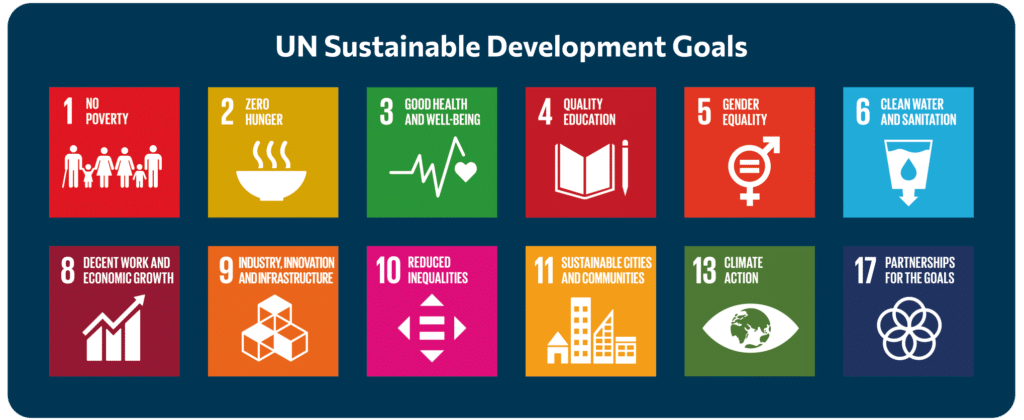
Sustainable Development Goals 3, 4 and 5 are three of the United Nations’ 17 goals for a fairer, healthier and more sustainable world. Goal 3, “Good Health and Well-being”, aims to ensure healthy lives and promote well-being for everyone at every age. Goal 4, “Quality Education”, seeks to provide inclusive, equitable education and lifelong learning opportunities for all. Goal 5, “Gender Equality”, aims to end discrimination and violence against women and girls and ensure equal rights and opportunities. Together, these goals recognise that health, education and gender equality are closely connected and essential to sustainable development.
What is the SDG 3 in the UK?
In the UK, Sustainable Development Goal 3 (SDG 3) is the United Nations’ goal to ensure healthy lives and promote well-being for everyone, at every age. It provides a framework for addressing issues such as access to quality healthcare, mental health, preventable illness, road safety and health inequalities. In practice, progress involves action by governments, the NHS, local authorities and communities to improve health outcomes and ensure that everyone can access the support and care they need.